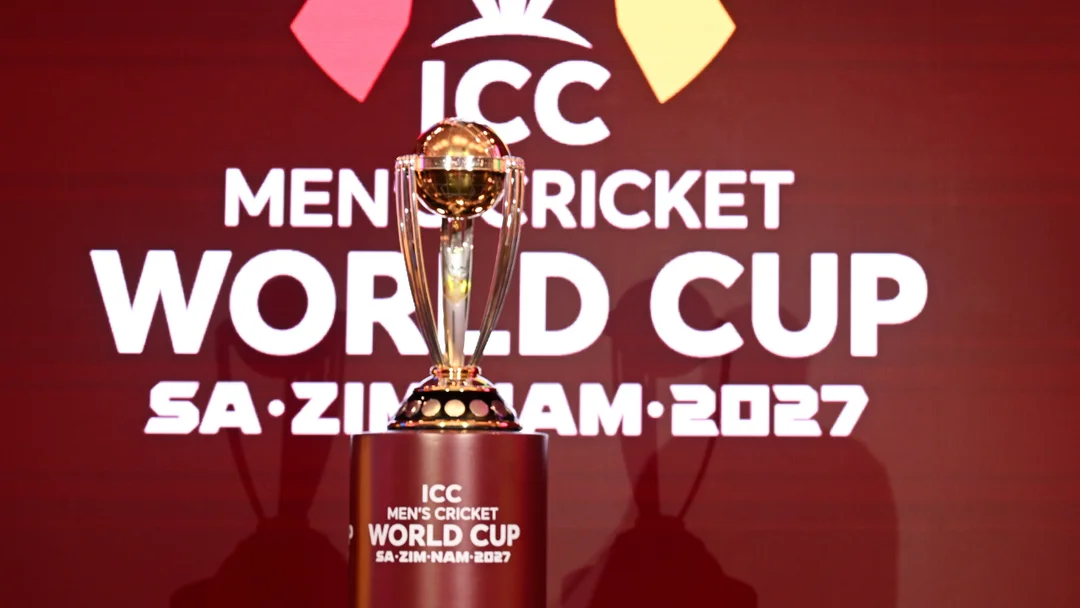
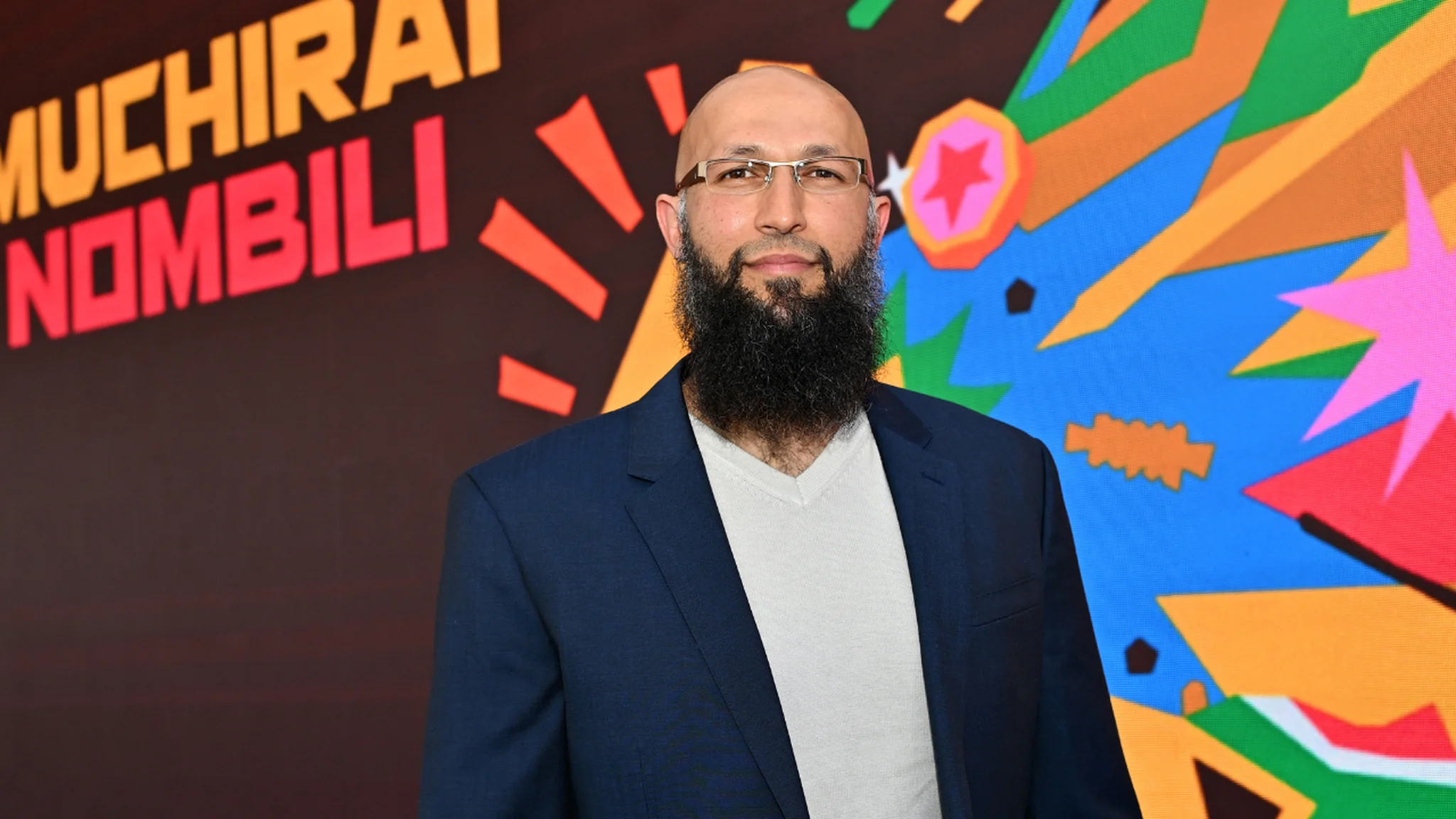
Africa 2027 Could Reveal How Completely The T20 Revolution Has Rewritten World Cup Cricket
Cricket News Update
सोचिए... साल 2003 है। Johannesburg का Wanderers Stadium शोर से भरा है, Australia सामने है, India दबाव में है, और Ricky Ponting नाबाद 140 रन की ऐसी पारी खेल रहे हैं जो World Cup final का रंग बदल देती है। Australia 125 रन से जीतता है। लेकिन उसी समय cricket की दुनिया एक ऐसे बदलाव के दरवाजे पर खड़ी है, जिसका असर तब किसी ने पूरी तरह नहीं समझा था। पहले officially recognised T Twenty matches अभी लगभग तीन महीने दूर थे। England में county teams Twenty Twenty Cup शुरू करने वाली थीं। फिर August 2004 में Hove पर England Women और New Zealand Women के बीच पहला International T Twenty खेला गया। February 2005 में Eden Park पर New Zealand और Australia ने men's International T Twenty की शुरुआत की। और फिर... April 18, 2008। Chinnaswamy Stadium। Praveen Kumar पहली IPL delivery Sourav Ganguly को डालते हैं। Bangalore Royal Challengers और Kolkata Knight Riders के उस opening match से franchise cricket की नई अर्थव्यवस्था, नया tempo और नई audience तेजी से आकार लेने लगती है। अब कहानी सीधे 2027 की तरफ बढ़ती है। South Africa, Zimbabwe और Namibia October और November 2027 में men's One Day International World Cup की मेजबानी करेंगे। Africa ने men's World Cup आखिरी बार 2003 में host किया था। यानी चौबीस साल बाद tournament फिर उसी continent पर लौटेगा... लेकिन cricket अब वही नहीं है। T Twenty ने batting intent बदल दिया। T Ten और The Hundred ने tempo को और आगे धकेला। boundaries, strike rates, role clarity, power hitting, match-ups और global leagues ने players की सोच को नया आकार दिया। और इसी बदलती हुई दुनिया के बीच Kagiso Rabada एक बेहद दिलचस्प प्रतीक बनकर सामने आते हैं। 2003 World Cup के समय Rabada सिर्फ आठ साल के थे। अब वही fast bowler अपने home continent पर 2027 World Cup को South Africa के लिए एक defining campaign बना सकते हैं। Rabada का नजरिया सिर्फ runs और wickets तक सीमित नहीं है। उनके मुताबिक game की audience wider हुई है, अलग ethnic backgrounds के players और supporters ज्यादा दिखाई देते हैं, cricket में ज्यादा money आई है, और teams की variety भी बढ़ी है। यानी revolution सिर्फ bat की speed में नहीं हुआ... cricket के पूरे ecosystem में हुआ है। दूसरी तरफ Hashim Amla एक दूसरी generation की कहानी लेकर खड़े हैं। 2003 World Cup खत्म होने तक Amla ने 16 first-class matches और नौ List A games खेले थे, लेकिन कोई T Twenty और कोई senior international नहीं। आगे चलकर उन्होंने 349 senior internationals खेले, और One Day International cricket में 3,000, 4,000, 6,000 और 7,000 runs तक सबसे तेज पहुंचने वाले batter के रूप में अपनी खास पहचान बनाई। दिलचस्प बात ये है कि 2019 World Cup के बाद Amla ने अपना आखिरी One Day International खेला, और उसके बाद भी 829 One Day International matches हो चुके हैं... लेकिन उनके कई speed records अब भी कायम हैं। यही contrast 2027 World Cup को खास बनाता है। Data कहता है कि 2026 में August 13 से पहले 68 men's One Day International matches में 33 centuries बन चुकी थीं। 2003 के पूरे साल 147 One Day International matches में 58 hundreds बनी थीं। अगर 2026 का century rate उसी रफ्तार से 147 matches तक चलता, तो projection 71.34 centuries का बनता। फिर भी Ricky Ponting की 2003 final innings का strike rate, 115.70, 2026 में सिर्फ दस innings ने पार किया था। मतलब game बदला है... लेकिन हर बदलाव सीधी रेखा में नहीं चला। Scoring बढ़ी है, power बढ़ी है, पर One Day International cricket अब भी patience, control और long-form thinking की मांग करता है। Hashim Amla की इच्छा भी इसी balance की तरफ इशारा करती है। वह चाहते हैं कि 2027 की conditions bowlers को ज्यादा मदद दें, ताकि matches close हों और contest genuinely two-sided दिखे। South Africa के लिए यह World Cup भावनात्मक रूप से भी भारी होगा। Team men's One Day International World Cup कभी नहीं जीत सकी। Hashim Amla जिन तीन World Cups में खेले, उनमें भी South Africa trophy तक नहीं पहुंचा; बाकी छह appearances में भी कहानी अधूरी रही। Men's T Twenty World Cup में भी South Africa ने दस attempts में title नहीं जीता, और सबसे करीब June 2024 में Barbados पहुंचा, जब India ने final सात runs से जीता। फिर भी Amla optimistic हैं। उनका मानना है कि home World Cup South Africa का moment बन सकता है... उन सारी disappointments के बाद, अपने घर में जीत देश और cricket दोनों के लिए बड़ा boost होगी। Rabada इस tournament को tourism और public experience की नजर से भी देखते हैं। उनकी चाहत है कि visitors सिर्फ Cape Town तक सीमित न रहें, बल्कि South Africa की wider identity को महसूस करें। और Africa की World Cup memory सिर्फ sport की नहीं है। February 10, 2003 को Namibia ने Harare में Zimbabwe के खिलाफ अपना पहला World Cup match खेला था। उसी दिन Andy Flower और Henry Olonga black armbands पहनकर मैदान पर उतरे थे, एक political statement के साथ। इसलिए 2027 की वापसी सिर्फ fixtures की वापसी नहीं होगी... यह history, identity, modern cricket economics और format revolution के बीच एक बड़ा test होगी। सबसे बड़ा सवाल यही है... T Twenty, T Ten और The Hundred ने cricket की boundaries कितनी दूर तक धकेली हैं? और जब 2027 में Africa फिर World Cup की रोशनी में आएगा, क्या South Africa home pressure को history-making opportunity में बदल पाएगा? यह कहानी सिर्फ एक tournament की नहीं... यह 2003 से 2027 तक cricket के बदलते DNA की कहानी है। आप सुन रहे थे Guru News Network, powered by द गुरु ज्ञान। ऐसी ही deeply researched cricket stories, sharp analysis और trusted updates के लिए द गुरु ज्ञान के साथ जुड़े रहिए। Live match movement के लिए द गुरु ज्ञान Live Line खोलिए... और cricket को सिर्फ score की तरह नहीं, एक unfolding story की तरह महसूस कीजिए।
Picture the Wanderers in 2003. Australia are facing India in a men's World Cup final, the stadium is alive, and Ricky Ponting is producing an unbeaten 140 that becomes the foundation of a 125-run victory. At that exact point in cricket history, the sport is still standing on the edge of a transformation it cannot yet measure. The first officially recognised T Twenty matches are almost three months away. England's county game is about to launch the Twenty Twenty Cup. In August 2004, England Women and New Zealand Women will play the first International T Twenty at Hove. In February 2005, New Zealand and Australia will give the men's international game its first taste of the format at Eden Park. Then comes April 18, 2008. Chinnaswamy Stadium. Praveen Kumar delivers the first ball of the first IPL match to Sourav Ganguly, with Bangalore Royal Challengers facing Kolkata Knight Riders. From there, cricket's commercial rhythm, tactical language, audience profile and player pathways begin to move at a different speed. Now jump forward to 2027. South Africa, Zimbabwe and Namibia are set to stage the men's One Day International World Cup in October and November. Africa has not hosted the men's tournament since 2003. That makes the return historic by itself, but the more intriguing point is what kind of cricket will return with it. T Twenty has changed batting intent. T Ten and The Hundred have pushed tempo even further. Power-hitting, match-ups, boundary options, global leagues, shorter decision windows and more aggressive scoring patterns have altered how players learn the game and how audiences consume it. Kagiso Rabada is almost a perfect symbol of that passage of time. He was eight years old during the 2003 World Cup. He has grown into one of the game's leading fast bowlers during cricket's most explosive period of expansion. If he can help South Africa win the 2027 World Cup on home soil and across the southern African hosting landscape, the achievement would carry enormous weight. Rabada's own view of cricket's transformation is broader than tactics. He points to a wider audience, a greater variety of players, support from people of different ethnic backgrounds, more money in the game, and more teams. In other words, the revolution is not merely about hitting sixes sooner. It is about the sport becoming larger, more distributed and more commercially powerful. Hashim Amla offers the counterpoint of an older generation. When the 2003 World Cup ended, Amla had played 16 first-class matches and nine List A games, but no T Twenty cricket and not one of the 349 senior internationals he would eventually complete. He later became famous for reaching 3,000, 4,000, 6,000 and 7,000 One Day International runs faster than anyone else, and those landmarks still stand despite 829 One Day International matches having been played since his final appearance in the format at the 2019 World Cup. That longevity matters because it shows that cricket's new age has not erased every old benchmark. The numbers from 2026 underline the same tension. Before Thursday, August 13, 33 centuries had been scored in 68 men's One Day International matches. The whole of 2003 produced 58 hundreds from 147 matches. At the 2026 rate, the equivalent projection across 147 matches would be 71.34 centuries. Yet a strike rate higher than Ponting's 115.70 in the 2003 final had been recorded in only ten of those 2026 innings. Cricket is clearly more aggressive, but One Day International batting still rewards structure, control and the ability to build an innings over time. Amla, despite being remembered primarily as a pure batter, hopes the 2027 conditions give bowlers enough assistance to create closer games. That desire may be crucial to the tournament's identity. A World Cup dominated only by hitting would show one effect of the T Twenty revolution. A World Cup where bowlers can still force batters to solve problems would show something richer: evolution rather than replacement. For South Africa, the emotional stakes will be immense. They have never won the men's One Day International World Cup. They failed to win the three editions in which Amla played, and they did not win any of their six other appearances either. They have also gone without a title in ten men's T Twenty World Cups. Their closest run in that competition came in Barbados in June 2024, when India beat them by seven runs in the final. Amla nevertheless believes the home World Cup could become South Africa's moment. He sees the possibility of victory, after so many disappointments, as something that could lift both cricket and the country. Rabada looks beyond the boundary as well. He wants visiting supporters to enjoy South Africa, and he specifically hopes they explore beyond Cape Town. That wider perspective fits the 2027 event. This World Cup will not belong to one city or one national story. It will stretch across South Africa, Zimbabwe and Namibia, each carrying its own cricket history and broader national identity. Namibia's first World Cup match came against Zimbabwe in Harare on February 10, 2003. On that same day, Andy Flower and Henry Olonga walked onto the field wearing black armbands in a political protest that became one of the most memorable non-cricket moments in World Cup history. So when the tournament returns to Africa in 2027, it will arrive carrying far more than a schedule. It will bring twenty-four years of tactical change, commercial expansion, new formats, old scars, national ambition and unfinished South African history. And that is why the tournament could become such a revealing gauge of cricket's modern era. The question is not whether T Twenty changed the sport. That part is settled. The real question is how deeply those ideas have entered One Day International cricket, and whether Africa's 2027 World Cup can still produce a contest where patience, pace, pressure, power and history all matter at once. You were listening to Guru News Network, powered by The Guru Gyan. For premium cricket storytelling, sharp context and trusted updates, stay connected with The Guru Gyan. And when the matches begin to move ball by ball, The Guru Gyan Live Line is there to keep the action close... because the best cricket coverage should not merely tell you what happened, it should make you feel why it mattered.
2027 ODI World CupAfrica CricketT20 RevolutionGuru News Network
Africa 2027 could become the ultimate test of cricket's T20-era transformation
South Africa, Zimbabwe aur Namibia me 2027 men's ODI World Cup cricket ko ek rare comparison point dega: 2003 ke Africa-hosted World Cup se lekar T20, IPL, T10 aur The Hundred ke era tak game kitna badal chuka hai, aur kya South Africa apni long World Cup wait ko home conditions me finally rewrite kar sakta hai.
South Africa, Zimbabwe aur Namibia 2027 men's ODI World Cup ko jointly host karenge, aur tournament Africa me men's World Cup ki 2003 ke baad pehli return hogi.
News Highlights
2027 men's ODI World Cup South Africa, Zimbabwe aur Namibia me October-November 2027 ke window me staged hoga.
Africa ne men's World Cup last time 2003 me host kiya tha, jab Australia ne Wanderers final me India ko 125 runs se haraya tha.
2003 final ke waqt officially recognised T20 cricket abhi start bhi nahi hua tha; uske baad Twenty20 Cup, T20I cricket, IPL, T10 aur The Hundred ne sport ki pace aur economics badal di.
Kagiso Rabada ke mutabik modern cricket ka audience wider hua hai, players aur supporters ki variety badhi hai, aur game me money aur teams dono zyada hue hain.
Hashim Amla 2027 tournament ko South Africa ke liye potential home breakthrough ke roop me dekhte hain aur chahte hain ki conditions bowlers ko bhi meaningful role dein.
Main Story: 2003 se 2027 tak cricket ka pura operating system badal gaya
Jab Australia ne 2003 men's World Cup final me India ko Wanderers par comprehensively beat kiya tha, cricket ek aise format revolution se bas kuch mahine door tha jo agle do decades me sport ki strategy, audience aur commercial structure ko transform karne wala tha.
Ricky Ponting ki unbeaten 140 ne Australia ko 125-run victory ke liye platform diya. Us waqt officially recognised T20 cricket ka first proper phase abhi start nahi hua tha. England ke ten county teams shortly after Twenty20 Cup launch karne wale the, ek naam jo aaj ke hyper-compressed cricket landscape me almost vintage lagta hai.
Uske baad timeline rapidly change hui. England Women aur New Zealand Women ne August 2004 me Hove par first T20I khela. Men's T20I February 2005 me Eden Park par New Zealand aur Australia ke beech aaya. Phir April 18, 2008 ko IPL ka opening match hua, jahan Praveen Kumar ne Chinnaswamy par Sourav Ganguly ko first ball deliver ki.
Shorter formats ne cricket ki pace ko dramatically accelerate kiya hai, lekin ODI World Cup abhi bhi sport ka unique middle ground bana hua hai jahan aggression aur innings-building dono equally important rehte hain.
World Cup Context: Africa ka 24-year return
Tournament2027 Men's ODI World Cup
Host CountriesSouth Africa, Zimbabwe, Namibia
Tournament WindowOctober-November 2027
Previous Men's World Cup In Africa2003
2003 Final VenueWanderers
2003 Final ResultAustralia beat India by 125 runs
2027 tournament ka value sirf isliye nahi hai ki World Cup Africa return kar raha hai. Isliye bhi hai kyunki same continent ko ek before-and-after frame mil raha hai: ek World Cup pre-T20 era me, aur doosra fully globalised short-format age me.
2027 World Cup modern short-format influence aur traditional ODI demands ke beech balance ko test karega.
Kagiso Rabada: T20 boom ke beech grow hui ek elite fast-bowling career
Kagiso Rabada 2003 World Cup ke waqt sirf eight years old the. Unka entire elite career us phase me develop hua hai jab cricket ne audience, leagues, money, formats aur tactical specialisation me unprecedented expansion dekha.
"There's a wider audience; that's the most obvious factor. And a bigger variety of players. People of different ethnicities are playing and supporting the game. There's more money in the game and more teams."Kagiso Rabada
Rabada ka observation important hai because woh change ko sirf batting strike rate ke lens se nahi dekhte. Unke liye modern cricket ka expansion social aur commercial bhi hai. Wider audience aur greater player diversity ne sport ke footprint ko bada kiya hai, while money aur more teams ne career pathways ko multiply kiya hai.
Agar Rabada South Africa ko 2027 World Cup title tak le jane me major role play karte hain, to source analysis ke mutabik unki all-time standing aur elevate ho sakti hai. Home World Cup, elite pace role aur South Africa ki historic title wait ko dekhte hue stage unusually large hoga.
Hashim Amla ka perspective: Change hua bhi hai, aur kuch cheezein wahi hain
Hashim Amla Rabada se 11 years older generation represent karte hain. 2003 World Cup ke end tak unke paas 16 first-class matches, nine List A games aur zero T20 appearances the. Unhone abhi apne eventual 349 senior internationals me se ek bhi nahi khela tha.
Modern era ke despite Amla ka ODI legacy stubbornly relevant hai. 2019 World Cup me unke last ODI cap ke baad 829 ODIs played ho chuke hain, phir bhi woh 3,000, 4,000, 6,000 aur 7,000 ODI runs tak fastest batter bane hue hain.
2026 Men's ODIs Before Aug 1368 matches
Centuries In Those Matches33
2003 Men's ODIs147 matches
2003 Centuries58
Agar 2026 ka century rate 147 ODIs tak same pace par continue karta, projection 71.34 hundreds ka hota. Lekin Ponting ke 2003 final strike rate 115.70 se higher strike rate 2026 ke un 68 ODIs me sirf ten innings me record hua tha. Yani ODI batting more productive zaroor hui hai, lekin transformation linear ya one-dimensional nahi hai.
Amla ka bowler-first wish: 2027 ko sirf batting exhibition nahi banna chahiye
Ek pure batter ke perspective se Amla ka 2027 World Cup ke liye wish notable hai. Woh conditions me bowlers ko enough assistance dekhna chahte hain, taaki games closer aur contest zyada balanced ho.
"I hope the conditions give them more to give us a show and make the games more close."Hashim Amla
Yahi 2027 World Cup ke tactical test ka core ho sakta hai. T20 revolution ne attacking skills ko sharpen kiya hai, lekin ODI cricket tabhi compelling rahega jab batters ko pace, movement, control, game awareness aur long-innings management ke against genuine questions solve karne padenge.
South Africa ka unfinished World Cup chapter
South Africa men's ODI World Cup kabhi nahi jeet saka. Amla ne three World Cups play kiye aur unme trophy nahi mili; source ke according South Africa apne other six men's World Cup campaigns me bhi title tak nahi pahucha.
Men's T20 World Cup story bhi similar rahi. South Africa ne ten editions me trophy nahi jeeti, aur closest point June 2024 me Barbados final tha, jahan India ne seven runs se win kiya.
"Hopefully having the World Cup at home is their moment. It could be our prime time to win it. Imagine, after all the disappointments of previous World Cups, winning it at home. That would be a massive boost for cricket and for the country in general."Hashim Amla
2027 therefore sirf tactical evolution ka study nahi hoga. South Africa ke liye ye emotional pressure test bhi hoga: home expectation ko opportunity me convert karna, aur decades ki World Cup frustration ko ek championship run me rewrite karna.
World Cup ki Africa return sporting ambition ke saath history, identity aur fan experience ka bhi major moment hogi.
Africa ka wider story: Cricket se bahar bhi context hai
Rabada ne specifically kaha ki woh chahte hain visitors South Africa enjoy karein aur sirf Cape Town tak limited na rahein. Unka point tournament ko ek wider African experience ke roop me frame karta hai, jahan hosting ka impact cricket grounds ke bahar bhi feel ho sakta hai.
2003 World Cup ki Africa memory me bhi sport aur national identity overlap hue the. Namibia ne February 10, 2003 ko Harare me Zimbabwe ke against apna inaugural World Cup match khela. Usi din Andy Flower aur Henry Olonga black armbands pehenkar field par aaye aur Zimbabwe me democracy ki condition par protest statement diya.
Is history ko 2027 ke context me dekhna important hai because World Cups sirf scores ka archive nahi bante. Woh host countries ki public memory, politics, tourism, pride aur sporting identity ke saath bhi attach ho jaate hain.
Key Turning Point: T20 ne ODI ko replace nahi kiya, uski language badal di
Batting intent faster hua
T20 era ne batters ko earlier acceleration, broader shot range aur pressure handling ke naye templates diye. ODI cricket me iska impact centuries ke volume aur scoring confidence me dikhta hai, even when every innings ultra-high strike rate par nahi chalti.
Bowling ka skill requirement bhi evolve hua
Short formats ne bowlers ko defensive execution, variations, match-ups aur small-margin decision making me sharpen kiya. Amla ka bowler-friendly conditions wala point isi wajah se relevant hai: 2027 ka best version wahi hoga jahan modern batting ke against bowlers ke paas real resources hon.
Global cricket ecosystem expand hua
Rabada ke comments audience, diversity, money aur teams ke expansion ko underline karte hain. Format revolution ka biggest effect shayad scoreboard se bhi bada hai: more people now enter, follow, fund aur shape the game.
Why this news matters
2027 World Cup cricket historians ke liye unusually clean benchmark provide karega. 2003 Africa-hosted edition almost pre-T20 world ka snapshot tha. 2027 edition usi continent par post-IPL, post-T20-boom, T10 aur The Hundred era ka snapshot hoga.
Is comparison se ye samajhna possible hoga ki short formats ne ODI cricket ko kitna genuinely reshape kiya hai: scoring patterns, player roles, audience expectations, bowling value aur tactical risk-taking me.
South Africa ke liye stakes aur bhi personal hain. Home tournament unhe apni World Cup history change karne ka rare chance dega, while Rabada jaise players ko legacy-defining platform mil sakta hai.
GNN And The Guru Gyan Angle
Guru News Network (GNN), powered by The Guru Gyan, 2027 World Cup ko sirf ek future tournament nahi, balki cricket evolution ke twenty-four-year experiment ke roop me dekhta hai. 2003 se 2027 ka Africa-to-Africa comparison modern cricket ko judge karne ke liye rare historical clarity deta hai.
Latest cricket news, long-form context aur tournament analysis ke liye Guru News Network follow karein. Broader cricket intelligence ke liye The Guru Gyan official platform hai, while live match movement aur free live line ke liye The Guru Gyan Live Line available hai.
GNN ka focus factual cricket storytelling, useful context aur clean analysis par hai, bina betting ya gambling promotion ke.
Follow the road to Africa 2027 with Guru News Network
World Cup build-up, player context, team developments aur cricket ke tactical evolution par premium coverage ke liye GNN aur The Guru Gyan ke official platforms ke saath connected rahein.
Content Authenticity: This original content is exclusively authored and published by The Guru Gyan. To maintain search engine integrity and avoid content duplication, this article originally appeared on our official portal at https://thegurugyan.com/cricket-news/.
Strict Anti-Gambling Policy: The Guru Gyan is a platform dedicated to cricket match intelligence and analytics. We strictly DO NOT support, promote, or encourage any form of betting, gambling, or illegal activities.
Beware of Impersonators: We prioritize our users' digital safety. The Guru Gyan does not operate any official Telegram channel or group. Please rely only on our verified domains for authentic information: https://thegurugyan.com and https://live.thegurugyan.com.
Contact Our Core Team: For genuine business inquiries, feedback, or support, reach out directly to Aakash Rai at +91 9826913203 or +91 9111191152.
More from The Guru Gyan
Read related cricket news, then jump to the live products that support this story with real-time score, series coverage and prediction transparency.