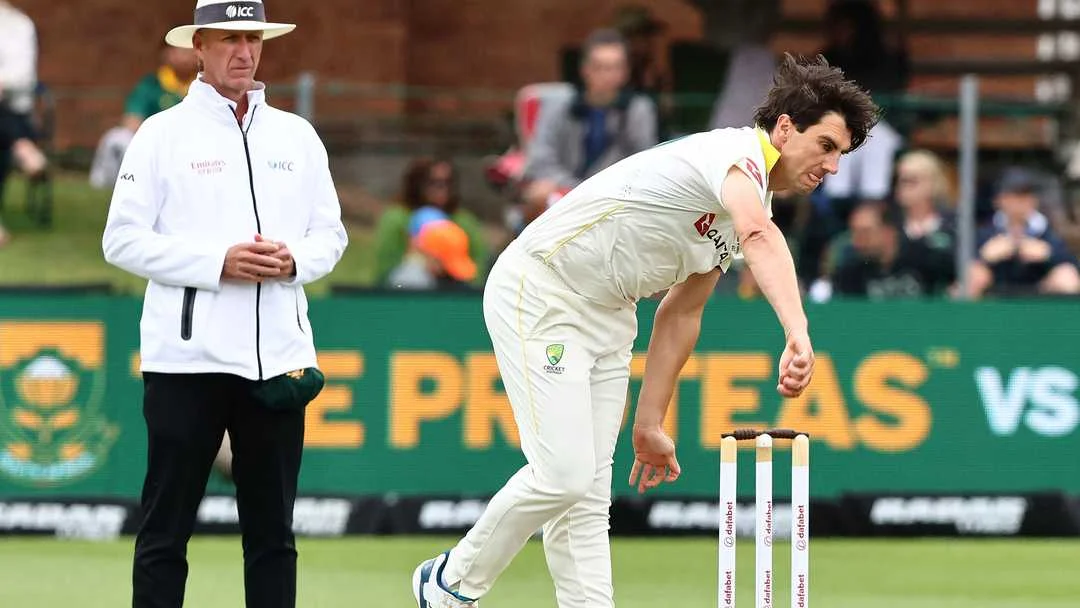
Arno Jacobs Ka 29 Saal Ka Safar: St George's Park Mein Achanak Test Debut Aur Australia Ke Saamne Neutrality Ki Chunauti
Cricket News Update
Australia Tour of South Africa 2026Test CricketUmpiring SpecialGNN Exclusive Analysis
29 Saal Ka Rishta, Ek Unexpected Call: Arno Jacobs Ka Test Debut Aur Australia Ke Saamne Badi Umpiring Challenge
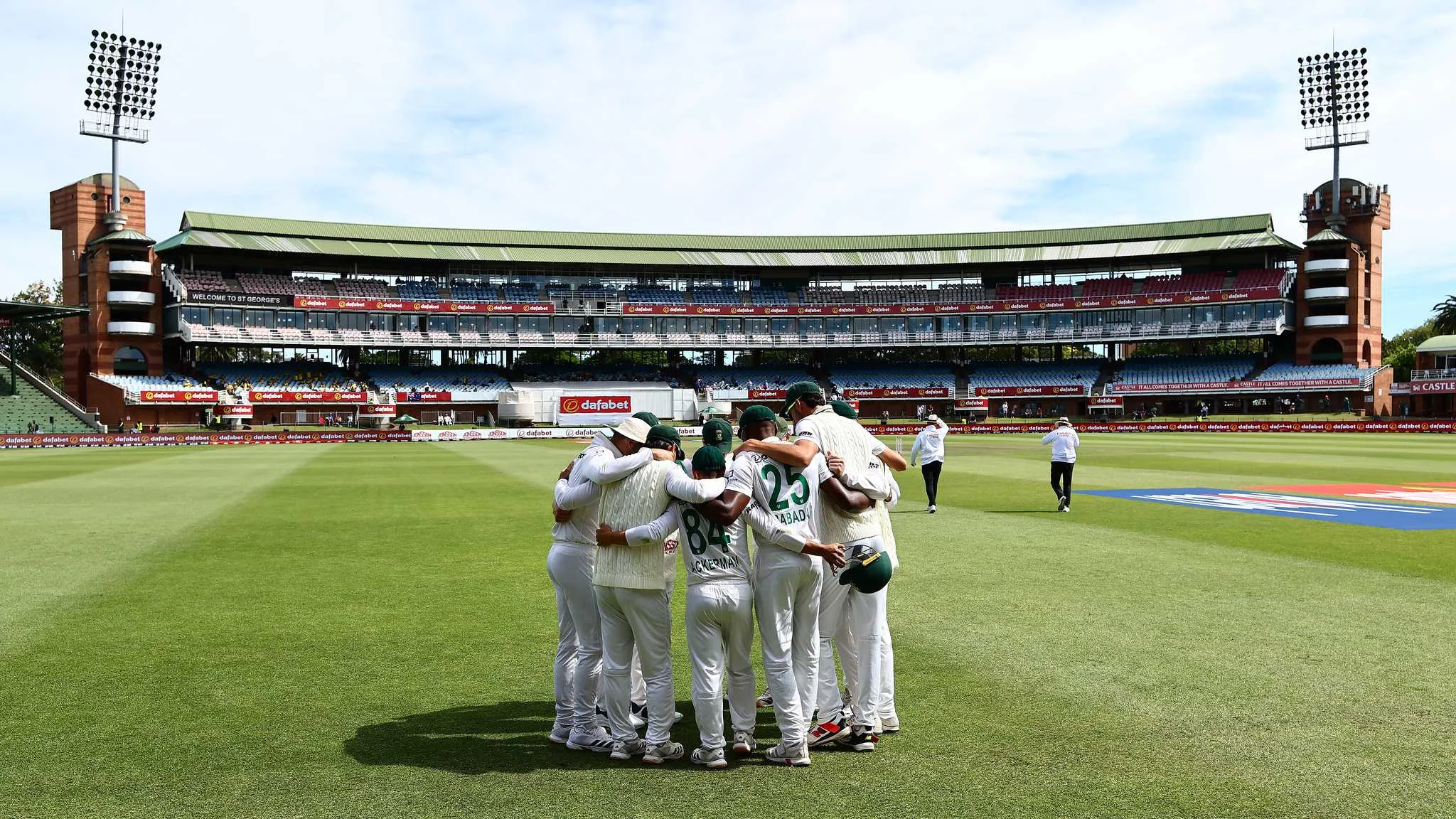
St George's Park ke saath Arno Jacobs ka cricketing connection lagbhag teen decades purana hai. Lekin South Africa aur Australia ke second Test mein ek unexpected medical situation ne unhe international cricket ke sabse demanding stage par pahuncha diya. Is kahani mein experience, neutrality, technology aur professional integrity sabhi ki ek khaas bhoomika rahi.
Arno Jacobs ka St George's Park se lamba cricketing association unke unexpected Test umpiring debut ke saath ek naye chapter mein badal gaya.
News Highlights
Unexpected Test debut: Chris Gaffaney ki illness ke baad Arno Jacobs ko South Africa vs Australia second Test mein on-field umpiring ki zimmedari mili.
29-year connection: Jacobs ne October 1997 mein St George's Park par apna pehla recorded List A appearance kiya tha.
152-match association: October 18, 2026 se pehle Jacobs ke paas venue par playing aur officiating roles mila kar 152 matches ka experience tha.
Unusual officiating arrangement: Richard Kettleborough television umpire bane rahe, jabki fourth umpire Jacobs ground par aaye.
Neutrality discussion: South African umpire ke Australia ke against Test mein officiate karne par impartiality ka sawal bhi utha.
DRS examination: Jacobs ke teen decisions review hue, jinmein do upheld rahe aur ek overturn hua.
Main Story: Ek Phone Call Ne Badal Di Test Cricket Ki Kahani
International cricket mein kai memorable debuts carefully planned hote hain. Arno Jacobs ka Test umpiring debut bilkul alag tha. South Africa aur Australia ke beech Gqeberha ke St George's Park mein second Test shuru hone se pehle ek unexpected development saamne aaya.
Scheduled on-field umpires Richard Illingworth aur Chris Gaffaney the. Richard Kettleborough television umpire aur Jacobs fourth umpire ke role mein appointed the.
Lekin first morning Gaffaney ki tabiyat kharab hone ke baad officiating team ko apna arrangement badalna pada.
Jacobs ke mutabik match referee Javagal Srinath ne unhe subah lagbhag 7:30 baje contact kiya. Woh shower se nikle hi the jab unhe bataya gaya ki ek on-field official unavailable hai aur unhe uski jagah leni hogi.
Unhe replacement fourth umpire arrange karne ki responsibility bhi di gayi. Jacobs ne Dan van der Merwe ko arrange kiya aur khud mentally Test cricket ki intense officiating demands ke liye prepare hone lage.
"I didn't really have time to process it properly."
Arno Jacobs, reflecting on his sudden appointment
Ye moment unke liye personally significant tha. Jis ground par unhone decades tak cricket kheli aur officiate kiya, usi ground par unhe apna pehla on-field Test assignment mila.
St George's Park: Jacobs Ke Career Ka Sabse Khaas Ground
Arno Jacobs aur St George's Park ka connection sirf ek professional posting tak limited nahi raha.
October 1997 mein North West ke liye List A match se shuru hua ye safar unke playing career, domestic cricket commitments aur umpiring assignments ke saath evolve hota gaya.
October 2003 mein woh Eastern Province ke dressing room ka hissa the, jab team ne Boland ke against home four-day fixture khela. February 2013 mein isi venue par Warriors ke liye Lions ke against unka final playing appearance hua.
30First-class matches played
32List A matches played
14T Twenty matches played
Jacobs ne apne first-class playing career mein South Africa, England, Ireland aur Scotland ke 28 grounds par appearances kiye. Lekin St George's Park par unke 30 first-class matches kisi bhi doosre venue se zyada rahe.
Playing Career Se Officiating Tak
October 18, 2026 se pehle venue par unhone 45 matches mein umpiring, 17 mein television officiating aur 14 mein fourth umpire ki duty nibhayi thi.
45On-field umpiring assignments
17Television official assignments
14Fourth umpire assignments
Playing aur officiating records ko combine karne par venue se unka association 152 matches tak pahunchta hai. Ye extensive familiarity unke unexpected Test assignment ko aur meaningful banati hai.
St George's Park ne Jacobs ke playing career aur officiating journey dono mein central role nibhaya.
Television Umpire Ki Jagah Jacobs Ground Par Kyun Aaye?
Normally jab kisi on-field umpire ko replace karna hota hai, television umpire ground par aata hai aur fourth umpire technology-based decisions ki responsibility sambhalta hai.
Is Test mein arrangement alag raha. Richard Kettleborough television officiating mein bane rahe aur Arno Jacobs ko on-field duty di gayi.
Social media par ye suggestion saamne aaya ki Jacobs ko television umpiring ka experience nahi tha. Available career record is explanation ko support nahi karta.
Jacobs ne 2 first-class matches mein television umpire ki duty nibhayi thi.
Unke paas 8 List A matches ka television officiating experience tha.
Woh 44 T Twenty matches mein television umpire reh chuke the.
Inmein 4 international T Twenty matches aur 21 franchise matches shamil the.
Jacobs ne explain kiya ki television officiating mein multiple camera angles, communications, timekeeping aur broadcast director ke saath coordination ko simultaneously manage karna hota hai.
"The TV role can be tricky. There's a lot you need to keep an eye on."
Arno Jacobs on television umpiring
Unke perspective mein on-field umpiring ek naturally familiar environment tha. Television duty milti to woh use bhi handle karte, lekin ground par officiate karna unke liye comparatively comfortable tha.
Specialist Third Umpires Ka Future?
Former elite umpire Simon Taufel bhi on-field aur television umpiring ko distinct specialisations ke roop mein develop karne ka argument de chuke hain.
Jacobs ne bhi acknowledge kiya ki Test cricket mein television officiating ki complexity limited-overs cricket se alag ho sakti hai. Long-format matches mein referrals, monitoring aur timekeeping ka sustained workload demanding hota hai.
Ye discussion modern cricket officiating mein specialist training aur role-specific expertise ki importance ko highlight karti hai.
Neutrality Ka Sawal: Australia Ke Khilaaf South African Umpire
International cricket mein neutral umpiring fairness aur trust ka important component hai. Isi wajah se South African official ka Australia ke against Test mein on-field role lena ek notable development tha.
Jacobs ne acknowledge kiya ki initial stage par arrangement ko lekar kuch hesitation thi. Lekin unhone apne professional objectives aur impartial decision-making ko clear priority bataya.
Unka argument straightforward tha: apne international officiating career ko aage badhane ki koshish karne wale umpire ke liye biased decisions lena khud ke professional interests ke against hoga.
Jacobs ke mutabik Australian players ne ground par unke saath respectful behaviour rakha.
"On the field the Aussies were very good. They were very respectful. Pat Cummins is a good guy to work with."
Arno Jacobs on Australia's response
Unhone ye bhi maana ki apni national team ko favour karne ke allegations se bachne ki psychological pressure situation mein umpire opposite direction mein overly strict hone ka risk feel kar sakta hai.
Jacobs ka focus har decision ko observed evidence ke basis par lena tha. Unke liye Decision Review System, ya DRS, mistakes correct karne ka ek important mechanism tha.
Key Turning Point: Gaffaney Ki Wapsi Aur Phir Jacobs Ka Return
Match ke opening two days rain aur wet outfield se affected rahe. Dono din mila kar sirf 43 overs ka play possible hua.
Third day Chris Gaffaney sufficiently recovered feel kar rahe the aur unhone ground par wapas duty resume ki.
Lekin Jacobs ko unki physical condition ko lekar concern tha. Lunch interval ke dauran, jab Jacobs pitch aur crease maintenance supervise kar rahe the, unhe dobara on-field duty ke liye prepare hone ko kaha gaya.
Third session ke fourth over mein Jacobs ne phir se officiating sambhali.
Is baar match referee aur ICC officials ne continuity ko priority dete hue unhe match ke remaining duration ke liye on-field umpire banaye rakhne ka decision liya.
Ye practical decision tha. Repeated officiating changes players, match management aur decision-making consistency ke liye unnecessary complications create kar sakte the.
Jacobs ne changing officiating responsibilities ke beech composure aur professional consistency maintain ki.
DRS Analysis: Teen Reviews, Ek Reversed Decision
Jacobs ke Test umpiring performance ka ek important measure unke on-field decisions aur subsequent reviews rahe.
Match mein unke teen decisions television review tak gaye. Inmein do original calls upheld rahe, ek South Africa ke favour mein aur doosra Australia ke favour mein.
Ek decision overturn hua.
Travis Head Aur Marco Jansen Ka LBW Moment
Australia ki first innings ke 10th over mein Marco Jansen ki delivery par Travis Head ke against LBW situation bani.
Jacobs ne not-out decision diya, kyunki unhe laga ki ball pehle bat se touch hui thi.
Review ne reveal kiya ki ball ne bat ko touch zaroor kiya tha, lekin pad par impact hone ke baad. Isliye original reasoning incorrect nikli.
Ball aur bat ke contact ke beech extremely fine timing difference tha, jo real-time officiating mein detect karna challenging ho sakta hai.
Is moment ne ek baar phir DRS ki value demonstrate ki. Technology human judgement ko replace karne ke bajay close decisions mein additional evidence provide karti hai.
"I felt nervous at the start but I became comfortable quite quickly."
Arno Jacobs reflecting on his performance
Jacobs ne bataya ki international Test cricket ka intensity level provincial matches se noticeably different hai. Bowler-friendly conditions ke kaaran unhe continuously alert rehna pada.
Arno Jacobs: Player, Umpire Aur Cricket Professional
Jacobs ka cricketing background unki officiating identity ko samajhne ke liye important hai.
Woh primarily left-handed middle-order batter rahe, lekin unki versatility batting tak limited nahi thi. Unhone off-spin aur seam bowling bhi ki aur zarurat padne par wicketkeeping responsibilities bhi sambhali.
17First-class centuries
48First-class fifties
38.08First-class batting average
Unke family background mein bhi cricket ki strong presence rahi. Unke older brother Stefan Jacobs seam-bowling allrounder the. Father Fanie Jacobs cricket administrator aur mother Petro Jacobs scorer rahi hain.
Jacobs ne Potchefstroom University se financial accounting ki degree complete ki. Ek stage par unhone telecommunications business establish karne ki koshish bhi ki, lekin venture successful nahi hua.
Us experience ke baad unhone cricket ko apna professional future banaya.
Cricket South Africa ke retained officiating structure ne unhe playing career se umpiring career ki taraf transition karne ka opportunity diya. Umpiring ke alawa woh coaching se bhi connected hain.
Unki wife Chantal Jacobs fruit exporting industry mein established career rakhti hain.
Jacobs ki story ye demonstrate karti hai ki cricket mein meaningful contribution sirf international playing appearances se define nahi hota. Domestic cricket, coaching, officiating aur administration bhi game ke essential pillars hain.
2018 Mein Bhi St George's Park Par Hua Tha Similar Incident
Interestingly, Chris Gaffaney ki illness ke kaaran St George's Park par officiating arrangement badalne ka incident pehle bhi ho chuka hai.
March 2018 mein South Africa aur Australia ke Test ke dauran Gaffaney first day officiate karne ke baad next morning illness ki wajah se unavailable ho gaye the.
Us waqt television umpire S Ravi on-field aaye, fourth umpire Bongani Jele ne DRS booth sambhala aur Dan van der Merwe ko replacement fourth umpire ke roop mein arrange kiya gaya.
2026 ke incident mein bhi Van der Merwe replacement fourth umpire bane, lekin television umpire ko on-field transfer karne ke bajay Jacobs ko ground par bheja gaya.
Dono incidents ki comparison se officiating contingency management ke different approaches samne aate hain.
Why This News Matters
Arno Jacobs ka Test debut ek individual milestone se kahin zyada important cricketing discussion ko represent karta hai.
First, ye domestic cricket officiating ke experience aur international assignments ke beech relationship ko highlight karta hai.
Second, neutral umpiring ke principles ko emergency situations mein practical match-management requirements ke saath balance karna pad sakta hai.
Third, television umpiring aur on-field officiating ke distinct skill sets ko recognize karna future training structures ke liye relevant hai.
Finally, DRS jaise technological systems difficult decisions ko review karne aur cricket ki credibility protect karne mein important role play karte hain.
Jacobs ki calm performance ne dikhaya ki long-term domestic experience international cricket ke unexpected pressure moments mein valuable ho sakta hai.
GNN Analysis: Cricket Mein Professionalism Ka Unsung Chapter
Guru News Network (GNN), powered by The Guru Gyan, ke analysis mein Arno Jacobs ki story cricket ke ek often overlooked dimension ko spotlight karti hai.
Fans generally batters ke centuries, bowlers ke spells aur captains ke tactical decisions ko remember karte hain. Lekin match ki integrity maintain karne wale officials ka contribution bhi equally essential hai.
Jacobs ne St George's Park par almost three decades ke playing aur officiating experience ko ek unexpected Test assignment mein convert kiya.
Unka debut headline-grabbing gestures ki wajah se memorable nahi bana. Iski importance unke measured decisions, composure aur responsibilities ko quietly execute karne mein thi.
Latest international cricket developments, player stories aur detailed analysis ke liye Guru News Network follow karein. Cricket intelligence ke liye The Guru Gyan aur match updates ke liye The Guru Gyan Live Line official platforms available hain.
Beyond The Scoreboard, Discover The Complete Cricket Story
Cricket sirf runs, wickets aur results ki kahani nahi hai. Har match ke peeche decisions, professionals aur remarkable journeys hoti hain. Guru News Network ke saath un stories ko context aur depth ke saath explore karein.
Content Authenticity: This original content is exclusively authored and published by The Guru Gyan. To maintain search engine integrity and avoid content duplication, this article originally appeared on our official portal at https://thegurugyan.com/cricket-news/.
Strict Anti-Gambling Policy: The Guru Gyan is a platform dedicated to cricket match intelligence and analytics. We strictly DO NOT support, promote, or encourage any form of betting, gambling, or illegal activities.
Beware of Impersonators: We prioritize our users' digital safety. The Guru Gyan does not operate any official Telegram channel or group. Please rely only on our verified domains for authentic information: https://thegurugyan.com and https://live.thegurugyan.com.
Contact Our Core Team: For genuine business inquiries, feedback, or support, reach out directly to Aakash Rai at +91 9826913203 or +91 9111191152.
कहते हैं, क्रिकेट के मैदान पर कुछ कहानियाँ बल्ले से लिखी जाती हैं... कुछ गेंद से। लेकिन कभी-कभी, इतिहास रचने के लिए न बल्ला चाहिए, न गेंद। बस चाहिए सालों का अनुभव... और सही समय पर मिली एक अनपेक्षित ज़िम्मेदारी!
यह कहानी है Arno Jacobs की। एक ऐसे क्रिकेट प्रेमी की, जिसका रिश्ता St George's Park से लगभग उनतीस साल पुराना था। अक्टूबर उन्नीस सौ सत्तानवे में, North West के लिए एक List A मुकाबला खेलने आए Jacobs को शायद अंदाज़ा भी नहीं था कि एक दिन यही मैदान उनके जीवन के सबसे यादगार अंतरराष्ट्रीय क्षण का गवाह बनेगा।
समय आगे बढ़ता गया। Jacobs ने South Africa के घरेलू क्रिकेट में अपना नाम बनाया। कभी Eastern Province की ड्रेसिंग रूम में, तो कभी Warriors की जर्सी में। उन्होंने बल्लेबाज़ी की, गेंदबाज़ी की, विकेटकीपिंग की... और जब खेलने का सफ़र पीछे छूटा, तो क्रिकेट से उनका रिश्ता एक नए रूप में शुरू हुआ। अब वह मैदान पर खिलाड़ी नहीं, बल्कि Umpire थे।
St George's Park उनके लिए सिर्फ़ एक Stadium नहीं था। वह उनकी क्रिकेट यात्रा का एक बेहद ख़ास हिस्सा था। यहाँ उन्होंने तीस First Class, बत्तीस List A और चौदह T Twenty मुकाबले खेले। इसके बाद, अलग-अलग Officiating भूमिकाओं में भी इसी मैदान पर काम किया। अक्टूबर अठारह, दो हज़ार छब्बीस से पहले, खिलाड़ी और अधिकारी के रूप में उनके कुल एक सौ बावन मुकाबलों का अनुभव इस मैदान से जुड़ चुका था।
और फिर आया South Africa और Australia के बीच दूसरा Test।
मैदान तैयार था। खिलाड़ी तैयार थे। Umpiring की ज़िम्मेदारी Richard Illingworth और Chris Gaffaney के पास थी। Richard Kettleborough Television Umpire थे, और Arno Jacobs Fourth Umpire।
लेकिन मुकाबले की पहली सुबह... कहानी ने अचानक करवट ले ली!
Chris Gaffaney की तबीयत ख़राब हो गई। अब सवाल था, मैदान पर उनकी जगह कौन लेगा?
सुबह लगभग साढ़े सात बजे, Match Referee Javagal Srinath का फ़ोन Jacobs के पास पहुँचा। वह अभी नहाकर निकले ही थे। संदेश सीधा था। एक On Field Umpire बीमार है। आपको उनकी जगह मैदान पर उतरना होगा। और साथ ही, एक नया Fourth Umpire भी ढूँढ़ना होगा।
सोचिए उस पल को! वर्षों तक जिस मैदान पर खेला, जिस मैदान पर अनगिनत फ़ैसले लिए... उसी मैदान पर अचानक Test Cricket में On Field Umpire बनने का अवसर सामने खड़ा था।
Jacobs ने Dan van der Merwe को Fourth Umpire की भूमिका के लिए व्यवस्थित किया। फिर ख़ुद को मानसिक रूप से तैयार किया। अब उनके सामने दुनिया के सबसे चुनौतीपूर्ण क्रिकेट प्रारूपों में से एक की ज़िम्मेदारी थी।
लेकिन कहानी में एक और मोड़ था।
आमतौर पर ऐसी परिस्थिति में Television Umpire मैदान पर आता है, और Fourth Umpire तकनीकी फ़ैसलों की ज़िम्मेदारी संभालता है। मगर इस बार Richard Kettleborough Television Umpire बने रहे, और Jacobs मैदान पर पहुँचे।
कुछ लोगों ने दावा किया कि Jacobs के पास Television Umpiring का अनुभव नहीं था। लेकिन रिकॉर्ड कुछ और ही कहानी बताते थे। वह दो First Class, आठ List A और चवालीस T Twenty मुकाबलों में Television Umpire रह चुके थे। इनमें चार अंतरराष्ट्रीय T Twenty मुकाबले भी शामिल थे।
Jacobs जानते थे कि Television Umpire का काम कितना जटिल हो सकता है। Camera Angles, Referrals, Match Timing और Broadcast Director से लगातार बातचीत... हर चीज़ पर एक साथ ध्यान देना पड़ता है। फिर भी, मैदान के बीच खड़े होकर फ़ैसले लेना उनके लिए अधिक परिचित भूमिका थी।
अब सामने थी Australia की टीम।
और यहाँ उठता है एक बेहद संवेदनशील सवाल। क्या South Africa का Umpire, अपनी ही राष्ट्रीय टीम के मुकाबले में पूरी निष्पक्षता के साथ फ़ैसले ले पाएगा?
शुरुआत में इस व्यवस्था को लेकर कुछ आपत्तियाँ होने की बात Jacobs ने स्वीकार की। लेकिन उनके लिए सबसे महत्वपूर्ण था उनका Professional Career और हर फ़ैसले की ईमानदारी।
उन्होंने बताया कि मैदान पर Australian खिलाड़ियों का व्यवहार सम्मानजनक था। ख़ासतौर पर Pat Cummins के साथ काम करने का अनुभव अच्छा रहा।
मगर असली परीक्षा अभी बाकी थी।
पहले दो दिनों में बारिश और गीले Outfield ने खेल को बुरी तरह प्रभावित किया। कुल मिलाकर केवल तैंतालीस Overs का खेल संभव हुआ।
तीसरे दिन Chris Gaffaney वापस मैदान पर आए। लगा कि अब सब सामान्य हो जाएगा।
लेकिन... उनकी तबीयत पूरी तरह ठीक नहीं लग रही थी।
Jacobs ने ख़ुद को फिर से तैयार रखा। Lunch के दौरान वह Pitch और Crease की देखरेख कर रहे थे, तभी उन्हें दोबारा मैदान पर लौटने के लिए बुलाया गया।
तीसरे Session के चौथे Over में Jacobs वापस आ गए। और इस बार, Match Referee तथा ICC अधिकारियों ने तय किया कि निरंतरता बनाए रखने के लिए वही मुकाबले के अंत तक On Field Umpire रहेंगे।
अब हर गेंद के साथ ज़िम्मेदारी बढ़ रही थी।
उनके तीन फ़ैसले DRS तक पहुँचे। दो फ़ैसले सही साबित हुए, एक South Africa के पक्ष में और दूसरा Australia के पक्ष में। लेकिन तीसरा फ़ैसला बदलना पड़ा।
Australia की पहली पारी के दसवें Over में Marco Jansen की गेंद Travis Head के Pad पर लगी। Jacobs ने Not Out दिया, क्योंकि उन्हें लगा कि गेंद पहले बल्ले से टकराई थी।
लेकिन Review ने बेहद महीन अंतर दिखाया। गेंद बल्ले से लगी ज़रूर थी... मगर Pad से टकराने के बाद!
यही वह क्षण था, जिसने याद दिलाया कि आधुनिक क्रिकेट में Technology कितनी महत्वपूर्ण है। एक पल का अंतर, एक कठिन फ़ैसला... और DRS की सहायता से स्थिति स्पष्ट हो गई।
Jacobs ने स्वीकार किया कि शुरुआत में उन्हें घबराहट हुई थी। लेकिन कुछ ही समय में वह सहज हो गए। उनके अनुसार, अंतरराष्ट्रीय Test Cricket का दबाव घरेलू मुकाबलों से अलग था। गेंदबाज़ों को मदद देने वाली Pitch पर हर गेंद के साथ पूरी सतर्कता ज़रूरी थी।
और अब ज़रा इस कहानी के दूसरे पहलू को देखिए।
Arno Jacobs सिर्फ़ Umpire नहीं रहे। वह एक प्रतिभाशाली Left Handed Batter भी थे। First Class Cricket में उन्होंने सत्रह Centuries, अड़तालीस Half Centuries और अड़तीस दशमलव शून्य आठ की Batting Average दर्ज की।
उनके परिवार में भी क्रिकेट गहराई से बसा था। बड़े भाई Stefan Jacobs एक Seam Bowling Allrounder थे। पिता Fanie Jacobs क्रिकेट प्रशासन से जुड़े थे, और माँ Petro Jacobs Scorer थीं।
Jacobs ने Financial Accounting की पढ़ाई की। एक Telecommunications Business शुरू करने की कोशिश भी की, लेकिन वह सफल नहीं हुआ। अंततः उन्होंने उसी दुनिया में अपना भविष्य तलाशा, जिसे वह सबसे अच्छी तरह जानते थे... क्रिकेट।
और शायद यही इस पूरी कहानी की सबसे ख़ूबसूरत बात है।
यह कोई ऐसी कहानी नहीं, जिसमें आख़िरी गेंद पर छक्का लगाकर कोई खिलाड़ी हीरो बन गया हो। यहाँ हीरो वह व्यक्ति था, जिसने बिना किसी दिखावे के अपनी ज़िम्मेदारी निभाई।
उनतीस साल का अनुभव। एक अचानक आया फ़ोन। Neutrality की चुनौती। DRS की परीक्षा। और अपने ही प्रिय मैदान पर एक यादगार Test Debut।
Arno Jacobs की कहानी हमें बताती है कि क्रिकेट के असली नायक हमेशा Scoreboard पर दिखाई नहीं देते।
और क्रिकेट की ऐसी ही गहरी, रोमांचक और अनसुनी कहानियों के लिए... आपका अपना मंच है, द गुरु ज्ञान!
जहाँ हर गेंद के पीछे छिपी रणनीति समझी जाती है, हर बड़े फ़ैसले को परखा जाता है, और हर कहानी को मिलता है उसका असली सम्मान।
द गुरु ज्ञान... क्योंकि क्रिकेट सिर्फ़ देखा नहीं जाता। उसे महसूस किया जाता है, समझा जाता है... और पूरे जुनून के साथ जिया जाता है!
Some cricketing stories begin with the crack of a bat. Others are born from a devastating spell of fast bowling. But every so often, the game produces a remarkable chapter without a single run being scored or a wicket being taken.
This is the story of Arno Jacobs, a man whose relationship with St George's Park stretched across nearly three decades, and whose most extraordinary moment at the venue arrived through a telephone call he never expected.
The journey began in October nineteen ninety-seven, when Jacobs appeared at St George's Park in a List A match for North West. At the time, it was simply another step in the life of a professional cricketer.
Years passed. Teams changed. Seasons came and went.
Jacobs represented Eastern Province and the Warriors, building a playing career that eventually took him to twenty-eight first-class grounds across South Africa, England, Ireland and Scotland.
Yet no venue became quite as familiar as St George's Park.
He played thirty first-class matches there, along with thirty-two List A fixtures and fourteen T Twenty matches. Later, as his career moved from playing to officiating, he returned again and again.
By October eighteenth, twenty twenty-six, his combined playing and officiating experience at the ground had reached an extraordinary one hundred and fifty-two matches.
Then came the second Test between South Africa and Australia.
Richard Illingworth and Chris Gaffaney were scheduled to stand as the on-field umpires. Richard Kettleborough would supervise the television decisions, while Jacobs was assigned the comparatively quiet responsibility of fourth umpire.
But on the morning of the match, an unexpected illness changed everything.
Chris Gaffaney was unable to take his place on the field.
At approximately seven thirty that morning, match referee Javagal Srinath telephoned Jacobs, who had just stepped out of the shower.
The message was immediate and unmistakable. An on-field umpire had fallen ill. Jacobs would need to replace him. And before doing so, he would also need to arrange another fourth umpire.
There was scarcely time to contemplate the significance.
Jacobs contacted Dan van der Merwe to fill the vacant position, then began preparing himself for the highest level of international cricket.
After almost twenty-nine years of association with St George's Park, he was about to make his on-field Test umpiring debut at the very ground that had shaped so much of his cricketing life.
The circumstances were unusual.
Normally, the television umpire would move onto the field, allowing the fourth umpire to take over the technology-based responsibilities.
This time, Richard Kettleborough remained in the television booth, while Jacobs walked into the middle.
Some observers suggested that Jacobs had been chosen because he lacked television umpiring experience.
The record told a different story.
He had already served as television umpire in two first-class matches, eight List A fixtures and forty-four T Twenty matches, including four internationals.
Jacobs understood the demands of the role. Television officiating required constant awareness of camera angles, referrals, timekeeping and communication with the broadcast director.
But the middle of a cricket ground was where he felt most at home.
There was another complication.
Jacobs was South African, and he was about to officiate in a Test involving his own national side.
In modern international cricket, neutrality is central to the credibility of umpiring. The unusual appointment naturally invited questions about impartiality.
Jacobs acknowledged that there had been some initial resistance to the arrangement.
Yet his professional position was clear. He was attempting to establish himself at the highest level of officiating. Any suggestion of favouritism would undermine the very career he was trying to advance.
On the field, the Australian players treated him respectfully.
Jacobs spoke positively about captain Pat Cummins, describing him as a good person to work with.
The opening two days were severely affected by rain and a wet outfield, allowing only forty-three overs of cricket.
By the third day, Chris Gaffaney felt sufficiently recovered to resume his duties.
For a moment, it appeared that Jacobs' unexpected appearance might remain a brief chapter.
But the story was not finished.
Jacobs noticed that Gaffaney still did not appear entirely well. He prepared himself for the possibility of another change.
During the lunch interval, while supervising work on the pitch and creases, Jacobs was called back and instructed to prepare for another return to the field.
In the fourth over of the third session, he resumed his place.
This time, the match referee and ICC officials decided that continuity was the priority. Jacobs would remain on the field until the conclusion of the Test.
The assignment demanded unwavering concentration.
Three of his decisions were reviewed through the Decision Review System.
Two original decisions were upheld, one favouring South Africa and the other Australia.
The third was overturned.
The most notable incident occurred during the tenth over of Australia's first innings.
Marco Jansen delivered a ball to Travis Head, creating a close leg-before-wicket situation.
Jacobs ruled the batter not out because he believed the ball had touched the bat before striking the pad.
The review revealed something almost imperceptible in real time.
The ball had indeed made contact with the bat, but only after striking the pad.
It was an exceptionally fine sequence of events, demonstrating both the difficulty of elite umpiring and the value of technological assistance.
Jacobs admitted that he had been nervous at first, but his confidence grew quickly.
He also discovered just how relentless Test cricket could be.
Unlike some provincial matches, where the action occasionally settles into quieter periods, this contest demanded sustained attention. Conditions offered assistance to the bowlers, and every delivery carried the possibility of a significant decision.
Yet the deeper story extended far beyond one Test.
Before becoming an umpire, Jacobs had been a versatile cricketer.
A left-handed middle-order batter, he scored seventeen first-class centuries and forty-eight half-centuries, averaging thirty-eight point zero eight.
He also bowled off-spin and seam, and occasionally kept wicket.
Cricket was woven into his family history.
His older brother, Stefan Jacobs, was a seam-bowling allrounder. His father, Fanie Jacobs, worked in cricket administration, while his mother, Petro Jacobs, was a scorer.
Jacobs completed a degree in financial accounting at Potchefstroom University.
He even attempted to establish a telecommunications business, but the venture failed.
That disappointment eventually led him back to the profession he understood best.
Cricket.
Through South Africa's retained umpiring structure, he found a sustainable path from playing the game to officiating it. Coaching also remained part of his professional life.
There was a curious historical echo in his Test debut.
In March twenty eighteen, Chris Gaffaney had also been forced out of a South Africa versus Australia Test at St George's Park because of illness.
On that occasion, television umpire S Ravi moved onto the field, Bongani Jele took over television responsibilities, and Dan van der Merwe was recruited as fourth umpire.
Years later, the same venue witnessed another unexpected reshuffle, with Van der Merwe once again called upon.
But this time, the defining figure was Arno Jacobs.
His achievement was not built on theatrical gestures or dramatic displays of authority.
It was built on composure.
On professionalism.
On the ability to accept an extraordinary responsibility at short notice, remain impartial under scrutiny, and carry out the work without making himself the centre of attention.
And perhaps that is why this story deserves to be remembered.
Cricket celebrates its great batters, devastating bowlers and inspirational captains. But the game also depends on people whose finest performances are measured by how naturally and quietly they allow the contest to unfold.
For Arno Jacobs, St George's Park had already been the setting for countless cricketing memories.
Now it had given him something entirely different.
An unexpected Test debut, nearly three decades in the making.
And that is the kind of cricket story worth discovering beyond the scoreboard.
For more extraordinary journeys, thoughtful analysis and the stories behind the moments that shape the game, discover The Guru Gyan.
Follow the action, understand the decisions, and experience cricket through a deeper perspective with Guru News Network, powered by The Guru Gyan.
Because the greatest stories in cricket are not always written by the players.
Sometimes, they belong to the people who make the game possible.
The Guru Gyan. Beyond the scoreboard, into the heart of cricket.
More from The Guru Gyan
Read related cricket news, then jump to the live products that support this story with real-time score, series coverage and prediction transparency.