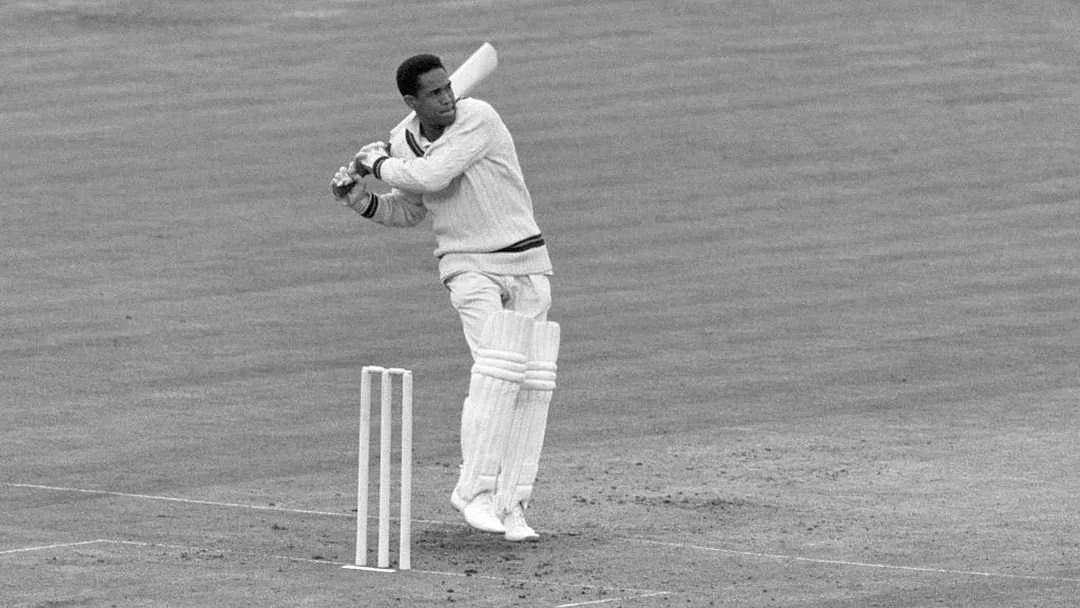
Ek Hansi, Ek Safar Aur Caribbean Ka Toofan: Sir Garry Sobers Ki 1970 Rhodesia Visit Ka Sach
Cricket News Update
साल था 1970... Africa के नक्शे पर Rhodesia नाम का एक देश था, जहाँ सत्ता, रंग और अधिकारों के बीच एक कठोर दीवार खड़ी थी। Salisbury की सड़कों पर अश्वेत लोगों की हँसी तक सीमाओं में कैद थी... और Salisbury Sports Club जैसे सफेद वर्चस्व वाले मैदान में, Black, Brown और White लोगों का बराबरी से मिलना किसी साधारण दृश्य जैसा नहीं था। उसी तनाव भरे समय में, September 12 की दोपहर... मैदान के mid-on पर खड़ा एक Black cricketer अचानक सिर पीछे ले जाकर खुलकर हँस पड़ा। वह व्यक्ति कोई सामान्य खिलाड़ी नहीं था। वह थे Sir Garry Sobers... West Indies के महान कप्तान, बल्लेबाज, गेंदबाज, फील्डर... और क्रिकेट इतिहास के सबसे पूर्ण all-rounders में से एक।
उनकी हँसी का कारण थे Ali Bacher। South Africa के कप्तान Ali Bacher एक उपयोगी batter और fielder थे, लेकिन उनकी leg spin ऐसी थी जिस पर खुद मैदान भी शायद भरोसा न करे। Eddie Barlow ने उनकी एक आसान गेंद को बहुत दूर भेजने की कोशिश की... गेंद आसमान में उठी... और mid-on पर खड़े Sir Garry Sobers अपनी हँसी रोक नहीं पाए। उस एक क्षण में क्रिकेट ने रंगभेद के पूरे वातावरण को चुनौती दी। एक Black legend, एक White captain की गेंद पर हँस रहा था... डर के बिना, अनुमति के बिना, और किसी सामाजिक नियम के आगे झुके बिना। लेकिन इस खूबसूरत दृश्य के पीछे एक कठिन सवाल छिपा था... Sir Garry Sobers Rhodesia पहुँचे ही क्यों थे?
उस समय South Africa apartheid के कारण अंतरराष्ट्रीय क्रिकेट से अलग किया जा रहा था। फिर भी Barry Richards, Graeme Pollock, Mike Procter, Eddie Barlow और दूसरे White South African players, Rest of the World और World Eleven teams के लिए England और Australia में खेलते रहे। County cricket में Sir Garry Sobers की दोस्ती Mike Procter जैसे खिलाड़ियों से हुई। Dressing room ने वह कर दिखाया जिससे सत्ता डरती थी... अलग रंगों के लोग साथ खेले, साथ हँसे, और एक-दूसरे को बराबर इंसान की तरह देखने लगे।
इसी माहौल में Eddie Barlow ने Sir Garry Sobers को Rhodesia में होने वाली double-wicket competition के लिए बुलाया। Sir Garry ने इस यात्रा को राजनीति की नजर से नहीं, क्रिकेट की नजर से देखा। September 12, 1970 को वह Salisbury पहुँचे, थोड़ी देर आराम किया, और Salisbury Sports Club में Ali Bacher के साथ मैदान पर उतर गए। Crowd उत्साहित था। क्रिकेट के एक जीवित महानायक को देखने के लिए लोग उमड़ पड़े। Tournament का परिणाम बाद की यादों में धुंधला हो गया... Ali Bacher ने वर्षों बाद कहा कि जीत से ज्यादा महत्वपूर्ण यह था कि लोग Sir Garry को खेलते देखना चाहते थे। लेकिन मैदान के बाहर कहानी तेजी से बदल रही थी।
Sir Garry Sobers ने उसी रात Rhodesia के Prime Minister Ian Smith के साथ भोजन किया। Ian Smith उस White minority regime का चेहरा थे, जिसके खिलाफ Black freedom fighters संघर्ष कर रहे थे। Sir Garry ने उन्हें बातचीत में प्रभावशाली बताया। यही बात West Indies में आग की तरह फैली। Caribbean press ने सवाल उठाया कि Black excellence का सबसे बड़ा प्रतीक उस शासन के साथ सहज कैसे दिखाई दे सकता है, जहाँ Black नागरिक अपने अधिकारों के लिए लड़ रहे थे। उन्हें कठोर शब्दों से निशाना बनाया गया। Guyana में उनके प्रवेश और खेलने पर सवाल उठा। Jamaica में उनकी West Indies captaincy छोड़ने की मांग हुई। India और West Indies के बीच आने वाली cricket commitments पर भी दबाव की चर्चा होने लगी।
Sir Garry Sobers ने बाद में स्वीकार किया कि उन्होंने इस यात्रा के राजनीतिक और भावनात्मक अर्थ को पूरी तरह नहीं समझा था। उन्होंने लिखित माफी दी। उन्होंने कहा कि यदि उन्हें पहले पता होता कि उनकी यात्रा West Indian लोगों को इतनी गहराई से आहत करेगी, तो वह Rhodesia नहीं जाते। उनकी माफी ने तूफान को शांत किया... लेकिन घटना इतिहास में रह गई। यह कहानी किसी महान खिलाड़ी को छोटा साबित करने की नहीं है। यह कहानी बताती है कि महान प्रतिभा भी अपने समय की राजनीति से बाहर नहीं रह सकती। क्रिकेट का मैदान सीमाएँ तोड़ सकता है... लेकिन खिलाड़ी के हर कदम का अर्थ उस समाज से तय होता है जिसमें वह कदम रखा जाता है।
समय आगे बढ़ा। Rhodesia, April 1980 में Zimbabwe बना। Nelson Mandela February 1990 में जेल से बाहर आए। South Africa बदलाव की दहलीज पर पहुँचा। 1991 में racial unification of South African cricket के celebration में Sir Garry Sobers guest of honour बने। उनके साथ Sunil Gavaskar, यानी Little Master, भी मौजूद थे। Ali Bacher उन्हें Soweto के Elka cricket ground ले गए। वहाँ nets में Sir Garry ने spin bowling की... और Little Master Sunil Gavaskar ने खूबसूरत shots खेले। इस बार तस्वीर विवाद की नहीं थी। इस बार तस्वीर एक नए युग की थी... जहाँ वही Sir Garry Sobers, जिनकी 1970 की यात्रा ने तूफान खड़ा किया था, बदलते South Africa में बराबरी और क्रिकेट की साझा उम्मीद का हिस्सा बने।
यह कहानी एक हँसी से शुरू होती है... फिर राजनीति, आलोचना, माफी और आत्मबोध से गुजरती है... और अंत में Soweto की धूप में दो legends के बीच क्रिकेट की आवाज पर ठहरती है। Sir Garry Sobers की विरासत केवल runs, wickets और records में नहीं है। उनकी विरासत उन जटिल क्षणों में भी है, जहाँ खेल, नस्ल, सत्ता और इंसानी रिश्ते एक-दूसरे से टकराते हैं। आपने सुनी Guru News Network की विशेष प्रस्तुति, powered by द गुरु ज्ञान... जहाँ cricket history केवल तारीखों में नहीं सिमटती, बल्कि आवाज, भावना और संदर्भ के साथ जीवित होती है। ऐसी ही गहरी cricket stories, भरोसेमंद updates और तेज, साफ cricket experience के लिए द गुरु ज्ञान के official platforms से जुड़े रहिए... क्योंकि खेल की असली कहानी scoreboard खत्म होने के बाद भी चलती रहती है।
In September 1970, Rhodesia was a country shaped by conflict, racial hierarchy, and the tightening grip of a White minority regime. In Salisbury, now called Harare, even ordinary public behavior carried the weight of race. At Salisbury Sports Club, a ground closely associated with White privilege, the idea of a Black man laughing openly at a White man was not merely unusual... it was a small act that challenged the atmosphere of the place.
Then, on September 12, a laugh rang out from mid-on. The man laughing was Sir Garry Sobers... the West Indies captain, a complete all-rounder, and one of the most commanding figures cricket had ever produced. The man who caused the laughter was Ali Bacher, South Africa's captain, whose occasional leg spin was far less distinguished than his batting, fielding, and leadership. Eddie Barlow attempted to launch one of Bacher's inviting deliveries into the distance. The ball climbed, waited in the Salisbury sky, and came down into a fielder's hands. Behind Bacher, Sir Garry was unable to contain himself.
It was a charming cricket memory... but it existed inside a deeply uncomfortable political story. Why was Sir Garry Sobers in Rhodesia at all?
South Africa had been pushed towards international isolation because of apartheid. Yet individual White South African cricketers continued to appear for Rest of the World and World Eleven sides in England and Australia. Sir Garry played alongside men such as Barry Richards, Graeme Pollock, Mike Procter, Eddie Barlow, Colin Bland, Peter Pollock, and Denis Lindsay. County cricket brought Sobers and Procter into the same professional world, and friendship grew where governments had tried to enforce separation. The dressing room revealed a truth that racial systems feared: people placed together as equals might discover respect, friendship, and common purpose.
During the English summer of 1970, Eddie Barlow invited Sir Garry to a double-wicket competition in Salisbury. Sobers appears to have considered the journey primarily through the lens of cricket. He arrived on September 12, rested briefly, and went to Salisbury Sports Club, where he partnered Ali Bacher. The crowd welcomed a living symbol of Black excellence onto a ground long associated with White power. Bacher later remembered the excitement more clearly than the result. Whether the pair officially won became less important than the spectacle of Sobers playing, laughing, and sharing the field.
But the visit did not end at the boundary. Sir Garry also spent time with Rhodesian Prime Minister Ian Smith, the political face of the White minority regime, and dined with him that evening. Sobers described Smith as an impressive man to speak with. Back in the Caribbean, those words landed with force. To many West Indians, Sobers was not simply a professional cricketer making a private choice. He was a global symbol of Black achievement, entering a country where Black citizens were fighting for full political rights.
The reaction was fierce. Caribbean newspapers condemned him. Political leaders questioned whether he should be allowed to play in their territories. Calls were made for him to resign as West Indies captain. International cricket arrangements involving India and the West Indies were placed under political pressure. Sir Garry, who had entered Rhodesia thinking about cricket, suddenly found himself at the center of a storm about identity, responsibility, and solidarity.
He eventually offered a written apology. Sobers acknowledged that he had not understood the depth of West Indian feeling or the wider international meaning of the Rhodesian question. He made clear that, had he fully understood those consequences, he would not have gone. The apology calmed the crisis, but the episode never disappeared from history.
This is not a simple tale of a hero becoming a villain. It is a story about how greatness does not place a person outside politics. Sir Garry's talent could make a cricket ground feel free for a moment... but his presence also carried meaning far beyond the game. His visit revealed both cricket's capacity to bring people together and the danger of pretending that sport exists untouched by the society around it.
Years later, the story gained a powerful second chapter. Rhodesia became Zimbabwe in April 1980. Nelson Mandela was released from prison in February 1990. South Africa moved towards a new political order, and its cricket structures began the difficult process of racial unification. In 1991, Sir Garry Sobers was guest of honour at a banquet celebrating that change. Sunil Gavaskar, the Little Master, was there as well. Ali Bacher took both legends to the Elka cricket ground in Soweto. A bat and pads were found. Sir Garry bowled spin in the nets, and the Little Master played elegant shots while people gathered to watch.
The images travelled around the world. This time, Sobers in southern Africa did not represent a political misunderstanding. It represented possibility. The same man whose 1970 journey had created outrage now stood inside a changing South Africa, sharing cricket with a community previously denied equal access to the game's institutions.
The arc is almost cinematic. A laugh at mid-on. A controversial dinner. A Caribbean backlash. An apology written under immense pressure. Then, two decades later, sunlight in Soweto... Sir Garry bowling, Sunil Gavaskar batting, and Ali Bacher watching a different future take shape.
Sir Garry Sobers will always be remembered for extraordinary runs, wickets, catches, and unmatched versatility. Yet this chapter reminds us that sporting history is also human history. It contains brilliance and blindness, friendship and power, mistakes and learning. You have been listening to a special Guru News Network presentation, powered by The Guru Gyan... where cricket history is not reduced to scorecards, but brought alive through context, character, and consequence. For deeper cricket stories, trusted updates, and a faster, cleaner match experience, stay connected with The Guru Gyan's official platforms... because the finest stories in cricket often begin where the scoreboard ends.
Sir Garry Sobers LegacyRhodesia 1970Cricket And HistoryGuru News Network
Ek hansi se Caribbean toofan tak: Sir Garry Sobers ki controversial Africa journey
September 1970 me Salisbury Sports Club par Sir Garry Sobers ka ek cricket appearance sporting friendship, racial politics aur public responsibility ke beech aisi kahani ban gaya, jiska asar West Indies captaincy se lekar South African cricket ke naye yug tak mehsoos hua.
Listen This Story
Hindi cinematic reader ya English premium reader select karein. Dono readers sirf is article ke hidden long-form summary ko padhenge.
Sir Garry Sobers ki September 1970 Rhodesia visit cricket, race aur political responsibility ke intersection par ek enduring historical debate ban gayi.
News Highlights
September 12, 1970 ko Sir Garry Sobers ne Salisbury Sports Club me double-wicket competition kheli.
West Indies legend ne South African captain Ali Bacher ke saath partnership ki, jabki Rhodesia White minority rule aur armed conflict ke phase me tha.
Ian Smith ke saath Sobers ki meeting aur unke positive comments ne Caribbean me intense political backlash create kiya.
Guyana, Jamaica aur wider West Indian public sphere me unki captaincy aur international availability par pressure bana.
Sobers ki written apology ne crisis ko calm kiya, lekin visit cricket history ka ek complex moral chapter ban gayi.
1991 me Sobers, Ali Bacher aur Sunil Gavaskar ka Soweto appearance South African cricket ke changing era ka symbolic scene bana.
Main Story: Mid-on par ek hansi, aur history ka darwaza khul gaya
1970 ka Salisbury, jo aaj Harare ke naam se jaana jata hai, ordinary sporting city nahi tha. Rhodesia me White minority regime aur Black freedom movement ke beech conflict chal raha tha. Social segregation law ke har clause me South Africa jaisi shape na rakhti ho, phir bhi cricket jaise elite sport me racial control strongly enforced tha.
Isi environment me Salisbury Sports Club ke mid-on region se ek loud laugh sunai di. Laugh karne wale the Sir Garry Sobers. Unke saamne South African captain Ali Bacher ki leg spin aur Eddie Barlow ka ambitious shot ek comic cricket moment create kar chuka tha.
Ali Bacher ne baad me yaad kiya ki unke peeche Sobers hansi se almost uncontrollable ho gaye the. Surface par ye ek sweet dressing-room style memory thi. Context me dekha jaye, to ek Black global icon ka White-controlled sporting space me freely laugh karna apne aap me remarkable image tha.
“Behind me at mid-on somebody burst out laughing. I turned around and Garry was hysterical.”Ali Bacher ki memory
Rhodesia 1970: Cricket se bahut bada context
Historical PlaceSalisbury, Rhodesia
Modern IdentityHarare, Zimbabwe
Event DateSeptember 12, 1970
VenueSalisbury Sports Club
Sobers PartnerAli Bacher
Political BackdropWhite minority rule and bush war
Rhodesia ki bush war 1960s se active thi aur Black citizens full political rights ke liye struggle kar rahe the. Isliye Sobers ka visit ek private sporting engagement bankar nahi reh sakta tha. Unki identity, West Indies captaincy aur global stature ne har action ko larger political meaning de diya.
Sobers Africa kaise pahunche?
South Africa apartheid ke karan international isolation ki taraf badh raha tha. March 1970 ke baad uska Test cricket se long exclusion start hua, lekin individual White South African cricketers Rest of the World aur World Eleven combinations me khelte rahe.
Sobers ne Barry Richards, Graeme Pollock, Mike Procter, Eddie Barlow, Colin Bland, Peter Pollock aur Denis Lindsay jaise South African aur Rhodesian players ke saath professional cricket share kiya. County circuit par Mike Procter aur Sobers ke beech friendship develop hui.
Ye friendships ek uncomfortable irony expose karti hain. Apartheid state races ko separate rakhna chahta tha, lekin same dressing room me players common craft, pressure aur respect discover kar rahe the. Human beings ko equality ka practical demo mil jaye, to ideology ka paperwork thoda bekaar lagne lagta hai.
English summer ke dauran Eddie Barlow ne Sobers ko Salisbury ke double-wicket event ka invitation diya. Sobers ne is offer ko primarily cricket ke perspective se accept kiya. Yahi decision unki life ke sabse controversial off-field chapters me convert ho gaya.
September 12: Tournament, crowd aur Ian Smith
Sobers event wale din Salisbury pahunche, short rest liya aur Salisbury Sports Club ke liye nikal gaye. Ali Bacher ke saath unki pairing national-captain status ke basis par hui. Crowd ke liye ye once-in-a-generation appearance tha.
Tournament result ko lekar later memories perfectly aligned nahi rahi. Bacher ka central point simple tha: formal victory se zyada important crowd ka Sobers ko dekhna aur unki pair ko Eddie Barlow ke combination ke against perform karte dekhna tha.
Real controversy match ke baad sharpen hui. Sobers ne Rhodesian Prime Minister Ian Smith ke saath dinner kiya aur unhe conversation me “tremendous” bataya. Ian Smith White minority rule ka central political face the. Caribbean public ke liye ye image almost impossible to separate thi from Rhodesia me Black suffering.
“Had I known the furore my visit was to cause, I would not have gone.”Sir Garry Sobers ka later reflection
Sobers ki Africa story ek single controversial visit tak limited nahi rahi; later years me wahi relationships changing South African cricket ke symbolic moments ka part bani.
Caribbean backlash: Captaincy tak pahunch gaya pressure
Sobers Barbados laut kar ek massive political storm me enter hue. West Indian press me unke decision ko Black solidarity ke against dekha gaya. Unhe deeply offensive labels se target kiya gaya, jabki political leaders ne public apology aur accountability demand ki.
Guyana me unki participation ko challenge kiya gaya. Jamaica me West Indies captaincy se resignation ki demand uthi. India aur West Indies ke beech upcoming cricket commitments par bhi political concern build hua. Ek short sporting trip ne international cricket diplomacy ko hila diya.
Sobers ne eventually written apology issue ki. Unhone accept kiya ki unhone Rhodesia issue par West Indian public ki deep feelings aur wider international consequences ko fully understand nahi kiya tha. Unka message clear tha: agar context pehle samajh aata, to woh visit accept nahi karte.
Apology ne immediate crisis ko calm kiya. Lekin historical judgment simple nahi raha. Sobers ka intent cricket tha; impact political tha. Greatness ne unhe public symbolism se free nahi kiya. Yahi is episode ka hardest truth hai.
Key Turning Point: Sport neutral nahi reh saka
Is story ka key turning point tournament result nahi, balki Sobers ki public identity thi. Woh sirf professional cricketer nahi the. Woh West Indies ke captain, Black excellence ke global symbol aur colonial history se nikle Caribbean confidence ke representative the.
Unke liye Rhodesia trip ek cricket invitation ho sakti thi. Unke supporters aur critics ke liye woh oppressed Black population ke struggle par moral position thi. Dono readings ke beech distance hi controversy ka fuel bana.
Visit DurationLess than 48 hours
Event FormatDouble-wicket competition
Immediate OutcomeMajor Caribbean backlash
ResolutionWritten public apology
1991 ka second chapter: Soweto me ek nayi tasveer
History ne story ko later ek powerful second act diya. Rhodesia April 1980 me Zimbabwe bana. Nelson Mandela February 1990 me prison se release hue. South Africa political transition ki taraf badha aur cricket administration racial unification ke process me enter hua.
1991 me South African cricket ke racial unification celebration ke banquet me Sobers guest of honour the. Sunil Gavaskar bhi wahan maujood the. Ali Bacher dono legends ko Soweto ke Elka cricket ground le gaye.
Nets me Sobers ne spin bowling ki aur Sunil Gavaskar, the Little Master, ne elegant shots play kiye. People gathered, photographs world media tak pahunchi, aur ek different Africa visible hua. Is baar Sobers ki presence controversy ka symbol nahi, possibility ka symbol bani.
“That encapsulated a new and beautiful time for South African cricket, and for our country.”Ali Bacher on the Soweto moment
Why this news matters
Sir Garry Sobers ki 1970 Rhodesia visit sports history ka reminder hai ki cricket kabhi vacuum me operate nahi karta. Player ka intent personal ho sakta hai, lekin public meaning identity, power aur historical context se shape hota hai.
Episode cricket ki unifying power ko bhi dismiss nahi karta. Sobers, Procter, Barlow aur Bacher ki friendships ne racial separation ke artificial logic ko challenge kiya. Problem friendship nahi thi; problem unequal political system ke beech public symbolism ko underestimate karna tha.
1991 ka Soweto scene story ko redemption se zyada evolution deta hai. Same characters, different political moment, different meaning. History humans ko neat script nahi deti, obviously. Woh contradictions deti hai, aur phir future generations ko context samajhne ka homework pakda deti hai.
GNN And The Guru Gyan Angle
Guru News Network (GNN), powered by The Guru Gyan, is chapter ko simple controversy ke roop me nahi, balki cricket, race, responsibility aur reconciliation ke layered historical case ke roop me dekhta hai.
Sir Garry Sobers ki legacy unmatched cricket brilliance se built hai, lekin complete legacy wahi hoti hai jo difficult moments ko bhi honestly examine kare. Is visit ne unki stature ko erase nahi kiya; isne sporting icons par placed moral expectations ko visible kiya.
Premium cricket history, sharp analysis aur major updates ke liye readers Guru News Network follow kar sakte hain. Broader cricket intelligence ke liye The Guru Gyan aur fast match tracking ke liye The Guru Gyan Live Line official destinations hain.
Legends, controversies, forgotten tours aur game-changing historical moments ki premium coverage ke liye Guru News Network aur The Guru Gyan ke verified platforms se connected rahen.
Content Authenticity: This original content is exclusively authored and published by The Guru Gyan. To maintain search engine integrity and avoid content duplication, this article originally appeared on our official portal at https://thegurugyan.com/cricket-news/.
Strict Anti-Gambling Policy: The Guru Gyan is a platform dedicated to cricket match intelligence and analytics. We strictly DO NOT support, promote, or encourage any form of betting, gambling, or illegal activities.
Beware of Impersonators: We prioritize our users' digital safety. The Guru Gyan does not operate any official Telegram channel or group. Please rely only on our verified domains for authentic information: https://thegurugyan.com and https://live.thegurugyan.com.
Contact Our Core Team: For genuine business inquiries, feedback, or support, reach out directly to Aakash Rai at +91 9826913203 or +91 9111191152.
More from The Guru Gyan
Read related cricket news, then jump to the live products that support this story with real-time score, series coverage and prediction transparency.