
IPL October–April Window? Lalit Modi Ka 94-Match Vision Aur January Start Ki Poori Kahani
IPL ke original architect Lalit Modi ne ek bade calendar rethink ki baat rakhi hai: October se April ke beech suitable window, January ko ek starting proposal, aur 10 teams ke liye complete 94-match season. Lekin ye proposal hai, approved IPL schedule nahi. Samajhiye iska cricket, players, viewers aur international calendar par kya asar ho sakta hai.
News Highlights
- Lalit Modi ka kehna hai ki IPL ke liye October se April ke end tak best window assess karni chahiye; January unka ek specific starting suggestion hai.
- Unhone saaf kiya ki woh 7 mahine tak continuously IPL chalane ki demand nahi kar rahe.
- 10 teams ka full home-and-away league model 90 league matches + 4 playoffs = 94 matches banata hai.
- Original 2008 format mein 8 teams aur 59 matches the. Proposed 94-match structure mein 35 zyada matches honge.
- International cricket, domestic cricket, player workload, summer heat, dew, fans aur broadcasting economics ko saath evaluate karne ki baat kahi gayi hai.
- Proposal ke implementation ya approval ki koi confirmation provided source mein nahi hai.
Main Story: April–May Se Aage Sochne Ki Baat Kyun?
Indian Premier League ka April–May window uske launch ke waqt ek defining choice tha. Lalit Modi ke mutabik, 2008 mein cricket calendar ke andar jo opportunity available thi, usko use karke IPL banaya gaya. Unka argument hai ki us waqt ka successful decision zaroori nahi ki aaj bhi bina review ke sabse suitable rahe.
Source interview mein Modi ne yaad dilaya ki IPL ki shuruaat 8 teams aur 59-match schedule se hui thi. League ab 10-team format tak pahunch chuki hai. Unke hisaab se tournament ka scale badalne par season ki planning ko bhi badalna chahiye, warna wahi limited window players, spectators aur operations par pressure badha sakti hai.
April–May ke school holidays aur family attendance ko woh dismiss nahi karte. Unka kehna hai ki fans ki loyalty teams aur players ke saath hoti hai; usko weekend planning, suitable timings aur better stadium conditions se support kiya ja sakta hai. Lekin school calendars ko bhi planning ka hissa rakhna zaroori hoga.
94 Matches Ka Calculation: Numbers Kya Kehte Hain?
Agar har team baaki 9 opponents se ek home aur ek away match khele, toh har side ke 18 league fixtures honge. Total league games 10 × 18 ÷ 2 = 90, kyunki ek game mein do teams hoti hain. Four playoffs jodne par season ka total 94 matches ho jaata hai.
2008 ke 59 matches ke comparison mein ye 35 matches zyada hain, yaani lagbhag 59.3% increase. Ye ek proposed sporting structure hai, kisi confirmed IPL edition ka fixture list nahi.
January Start Aur October–April Window: Difference Samajhna Zaroori Hai
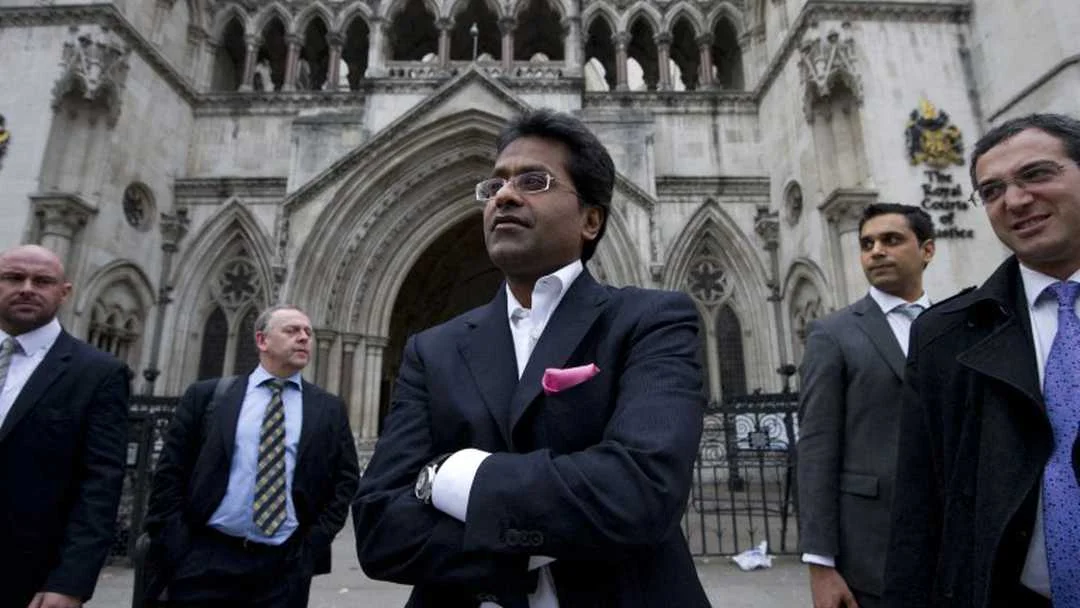
Is debate ka sabse important nuance ye hai ki Lalit Modi ne January ko ek concrete option bataya, lekin broader assessment window October se April end tak rakhi. Unhone seven-month uninterrupted IPL season ki maang se clearly distance rakha.
Unka kehna hai ki final dates decide karne se pehle actual fixtures, venues, travel logistics aur player commitments ko map karna hoga. Sirf IPL ke liye calendar khali kar dena unke proposal ka stated approach nahi hai.
International cricket ke liye protected blocks, domestic competitions ke liye coherent programme aur cricketers ke liye preparation ke saath genuine rest, teeno elements schedule design mein hone chahiye. Ye coordination Future Tours Programme, yaani FTP, ke wider framework mein discuss karne ki baat kahi gayi hai.
Player Workload Aur International Cricket: Sabse Mushkil Balance
Badi league ka matlab sirf zyada matches nahi, balki travel, training, recovery aur international duties ka overlapping calendar bhi hai. Modi ka argument hai ki expanded format ko ek compressed slot mein pack karne ki bajaye better spacing di jaaye.
Unhone ye bhi maana ki Test tours ko calendar ke kuch khali weekdays mein adjust nahi kiya ja sakta. Isliye boards ko pehle se international commitments aur overseas player availability par agreement banana hoga.
Ye point proposal ki sabse badi implementation condition bhi hai: bina cross-board coordination aur realistic rest periods ke longer window khud workload ka solution nahi ban sakti.
Heat, Humidity Aur Stadium Experience: Sirf Evening Match Kaafi Nahi
Modi ne late-season garmi ko sirf players ka issue nahi maana. Unhone spectators ke travel aur queues, ground staff, security teams aur broadcast production crews ki pre-match working hours par bhi focus kiya.
Unka point simple hai: floodlights jalne ke baad temperature aur humidity automatically comfortable nahi ho jaate. India ke venues mein weather conditions bhi ek jaisi nahi hoti.
Isi wajah se October–April range mein venues aur dates ko intelligently choose karne ki baat kahi gayi hai. April bhi kai jagah garam ho sakta hai, isliye is broader window ko guaranteed perfect weather samajhna sahi nahi hoga.
Dew Ka Challenge: Kya January–March Mein Toss Ka Impact Badhega?
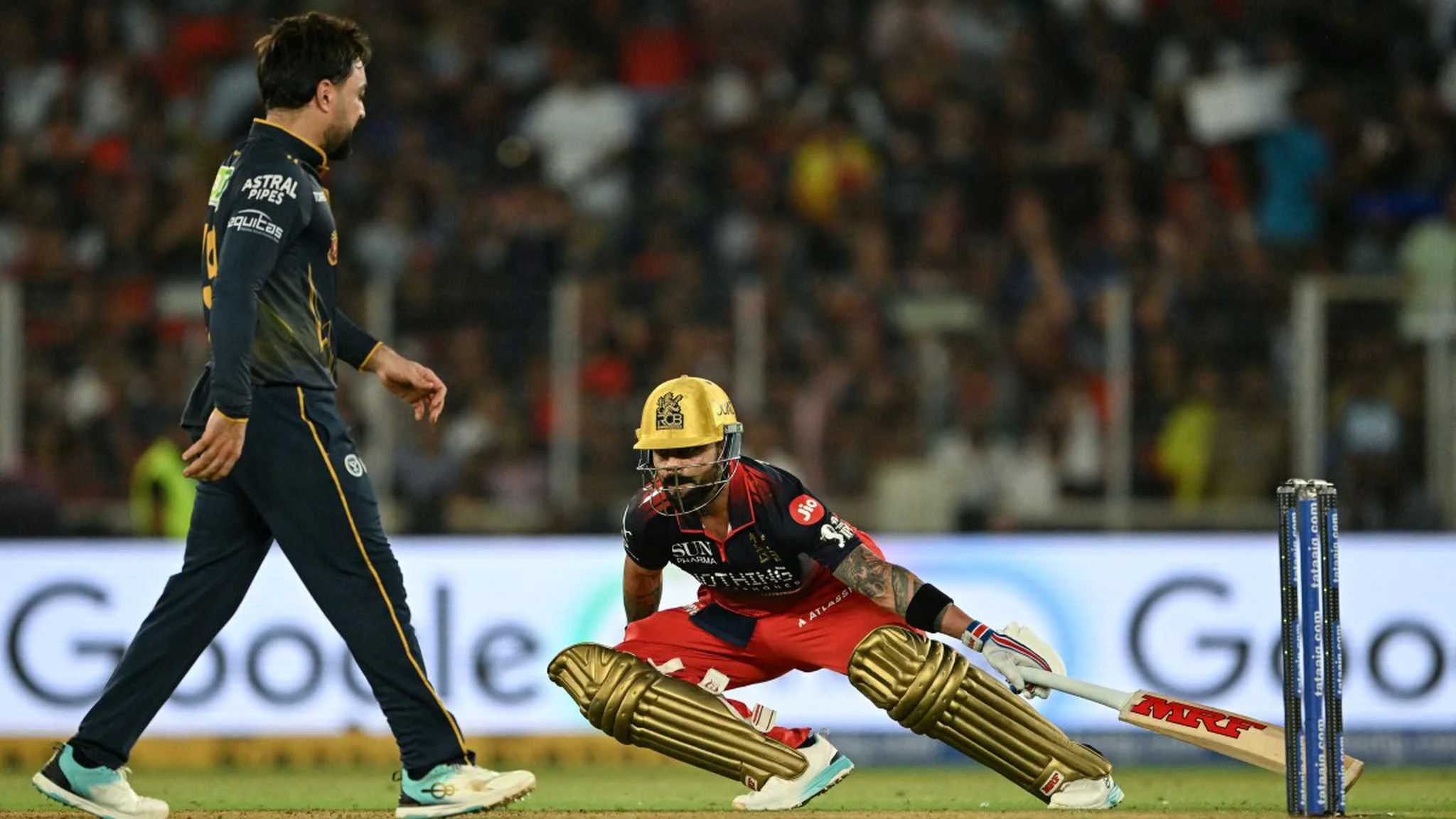
January–March ke potential schedule ke saath dew ka concern naturally judta hai. Lalit Modi ne ise legitimate issue kaha, lekin ye bhi note kiya ki current IPL window mein bhi dew matches ko affect karta hai.
Source interview mein unhone 2025 mein wet-ball replacement provision ka reference diya. Unka suggestion hai ki venue-by-venue dew, temperature, rain, fog aur air quality examine ki jaaye; phir start times, pitch and ground preparation aur playing conditions assess hon.
Unke stance ka ek key point hai ki koi bhi calendar toss ko disproportionate advantage na de. Iska answer theoretical debate se nahi, ground-specific conditions ki proper comparison se niklega.
Viewer Fatigue Aur Media Rights: Kya Zyada Matches Se Zyada Value Milegi?
94-match model ka ek obvious question audience fatigue hai. Agar viewers ko har roz lagataar cricket consume karna pade, toh engagement par pressure aa sakta hai. Modi ne is risk ko reject nahi kiya; unhone compressed scheduling aur sensibly spread season ke beech difference bataya.
Unke according weekly rhythm, home-and-away rivalries aur matches ke beech anticipation create karna zaroori hoga. Four-hour ke aas-paas chalne wale cricket match ko football ke 90-minute match jaisa treat nahi kiya ja sakta; isliye practical viewing commitment aur match finishing times bhi important hain.
Media-rights par Modi ka assessment hai ki coming cycle mein bilateral aur ICC rights income pressure face kar sakti hai. Ye unka commercial judgement hai, confirmed revenue forecast nahi. Unka kehna hai ki IPL opportunity evaluate karte waqt affected international rights income, operational costs, overseas board arrangements aur net benefit saath calculate karna chahiye.
Unhone platforms aur territorial packages par thoughtful bidding strategy ki baat bhi ki. Lekin saaf kaha ki sirf longer window announce kar dene se bada rights cheque automatically nahi milta; reliable calendar, competitive games, player availability aur broadcasters ki business viability matter karti hai.
Jay Shah Aur ICC Coordination: Proposal Ka Global Dimension
Interview mein Lalit Modi ne ICC Chair Jay Shah ki potential coordinating role par bhi baat ki. Unke nazariye mein BCCI apna IPL proposal develop kar sakta hai, lekin international agreement ke liye doosre cricket boards ke legitimate interests ko samajhna hoga.
Overseas players ko develop karne wale nations ke player release aur development arrangements bhi equation mein rahenge. Modi ne apne suggestion ko unilateral Indian calendar impose karne ke bajaye broader cricket ecosystem ke liye acceptable settlement ke roop mein present kiya.
Isliye proposal par discussion aur formal adoption ke beech significant distance hai. Source material mein kisi approved January start, revised FTP ya 94-match IPL schedule ki official announcement nahi di gayi.
Why This Matters: IPL 2027 Discussion Se Aage Ka Issue
Ye story ek particular season ke dates guess karne ki nahi, balki league ke future operating model ki hai. 10-team full home-and-away format sporting fairness aur local fan engagement ko expand kar sakta hai, lekin uske liye logistics, weather, players ki health, global calendar aur commercial structure ko ek hi blueprint mein fit karna hoga.
Agar October–April ke andar workable slots milte hain, toh greater spacing ka possibility ban sakta hai. Lekin protected international blocks aur rest requirements pehle design nahi hue toh expanded season schedule congestion ko sirf doosri jagah shift kar dega.
Bottom line: Lalit Modi ne IPL calendar ko reconsider karne aur 94-match format assess karne ki pitch ki hai. Isko final IPL decision ya announced January fixture list ke roop mein report karna misleading hoga.
GNN Analysis: Proposal Ko Kaise Judge Kiya Jaaye?
Guru News Network (GNN), powered by The Guru Gyan, ke analysis mein kisi bhi alternate IPL window ko teen practical tests pass karne honge: fixture feasibility, player and fan experience, aur net economic value. Sirf matches badhane ya months shift karne se success define nahi hogi.
Pehla test dekhega ki bilateral cricket, domestic calendar, travel aur preparation ko real-world dates par kaise fit kiya ja sakta hai. Doosra test stadium conditions, dew, match timings, workload aur spectators ki convenience par focus karega. Teesra test rights income ke upside ko cost aur possible international trade-offs ke against rakhega.
IPL ke format aur official scheduling mein jab bhi verified developments aayenge, readers cricket-news coverage ke liye GNN, aur match-related information ke liye The Guru Gyan Live Line dekh sakte hain.
Related Topics
Cricket Ka Context, Sirf Headlines Nahi
Latest cricket developments, structured news analysis aur match information ke liye Guru News Network aur The Guru Gyan ke official platforms explore karein.