Japan's Cricket Rise Gets A Massive India Boost As ICC Eyes A Bigger Asian Future
Cricket News Update
कल्पना कीजिए... दुनिया का cricket map सामने खुला हुआ है। कुछ देश ऐसे हैं, जहाँ cricket सिर्फ एक खेल नहीं, बल्कि रोजमर्रा की जिंदगी का हिस्सा है। और फिर है Japan... एक ऐसा देश, जिसे cricket की पारंपरिक ताकतों में अभी नहीं गिना जाता, लेकिन International Cricket Council, यानी ICC, की नजर में उसकी अहमियत तेजी से बदल रही है। कहानी सिर्फ runs और wickets की नहीं है। कहानी infrastructure की है... global events की है... नए दर्शकों की है... और उस भरोसे की है, जो धीरे-धीरे Japan को international cricket के एक नए strategic centre में बदल सकता है। Japan पहले ही Olympics, World Aquatics Championship और World Athletics Championships जैसे बड़े sporting events host कर चुका है। अब Asian Games उसके सामने एक और विशाल मंच लेकर खड़ा है। यही वह जगह है, जहाँ ICC को सिर्फ एक tournament नहीं दिख रहा... उसे भविष्य की संभावना दिखाई दे रही है। Japan की organisational capability, उसकी event-hosting culture, और international-standard facilities को cricket के साथ जोड़ा जाए, तो एक ऐसा market तैयार हो सकता है जहाँ खेल अभी छोटा है... लेकिन growth की जगह बहुत बड़ी है। इसी कहानी में India की entry इस पूरे narrative को और powerful बनाती है। India ने Japan के साथ bilateral engagement के तहत men's International T Twenty खेलने पर सहमति दी है। Japan men's team source data के अनुसार world ranking में इकतालीसवें स्थान पर है। फिर भी ICC के लिए यह fixture ranking table से कहीं बड़ा है। जब एक full member और world champion level की team किसी associate member के देश में खेलने जाती है, तो फायदा सिर्फ opposition players को नहीं मिलता। Stadium operations सीखते हैं... administrators सीखते हैं... logistics teams सीखती हैं... broadcasters सीखते हैं... local cricket ecosystem सीखता है कि major international cricket को host करना वास्तव में कितना demanding होता है। ICC official ने इसी वजह से India के Japan tour को बेहद महत्वपूर्ण बताया। उनके मुताबिक, ऐसी series Japan Cricket Association, यानी JCA, को उस standard के करीब ले जा सकती है जिसकी जरूरत भविष्य में बड़े ICC events host करने के लिए पड़ेगी। और Japan का cricketing graph भी अब बिल्कुल static नहीं है। Men's team ने 2022 में सात matches खेले और पांच जीते। 2023 में आठ matches में चार जीत मिलीं। 2024 में participation ने तेज छलांग लगाई... पच्चीस matches, अठारह जीत, छह हार और एक abandoned game। 2025 में ग्यारह matches में छह जीत आईं। और 2026 में अब तक दस matches में आठ जीत और सिर्फ दो हार दर्ज हुई हैं। इस period में Japan ने Kuwait, Bahrain और Papua New Guinea जैसी higher-ranked teams को भी हराया। Women's cricket में भी तस्वीर बदल रही है। Japan Women ने 2022 में चारों matches गंवाए थे। 2023 में सोलह matches में चार जीत मिलीं। 2024 में चौदह matches में दस जीत... 2025 में ग्यारह में सात... और 2026 में अब तक पांच matches में तीन जीत। यानी participation सिर्फ बढ़ नहीं रहा, performance भी उसके साथ ऊपर जा रही है। फिर आया audience वाला मोड़... क्योंकि कोई sport सिर्फ मैदान बनाकर बड़ा नहीं होता, उसे देखने वाले भी चाहिए। ICC ने emerging markets में select matches को पहली बार YouTube और Facebook पर live stream किया, और Japan में इन streams ने combined रूप से ग्यारह लाख से ज्यादा views हासिल किए। Japanese-language YouTube feeds ने Japan और Indonesia से जुड़े non-English streaming views में अट्ठावन percent share लिया। Facebook पर Japanese feeds का share सत्तर percent रहा। इसका मतलब साफ है... curiosity मौजूद है। सही product, सही language और सही stage मिले, तो Japan में cricket के लिए audience बनाई जा सकती है। इसी backdrop में Japan Women अब Asian Games campaign में India Women का सामना करने जा रही हैं। Captain Mai Yanagida और उनकी team ने India Women को recent Asia Cup में follow किया है। उन्होंने WPL भी देखा है। उनके लिए सामने खड़ी Indian team सिर्फ opposition नहीं है... वह उस level की झलक है जहाँ Japan एक दिन पहुँचना चाहता है। Mai Yanagida ने इस मुकाबले को intimidating से ज्यादा exciting बताया। उनके लिए India के खिलाफ field share करना एक rare learning moment है... ऐसा moment जिसे scorecard से पूरी तरह measure नहीं किया जा सकता। Asian Games खुद ICC की development strategy में एक और बड़ा हथियार बन चुके हैं। Olympic Games में participation limits होती हैं, लेकिन Asian Games जैसे regional multi-sport events ज्यादा member nations को मौका देते हैं। इससे government funding, Olympic committee support, sponsorship interest और competitive exposure के नए रास्ते खुलते हैं। और Japan के लिए सबसे concrete बदलाव infrastructure में आया है। Sano में international cricket facility पहले से मौजूद थी। अब Nagoya में दूसरा international-standard cricket ground तैयार होने से hosting equation बदल गई है। Major ICC events के लिए आम तौर पर multiple international-standard facilities की जरूरत होती है। दो grounds के साथ Japan अब सिर्फ development conversation का हिस्सा नहीं रह जाता... वह hosting conversation में भी प्रवेश करता है। हाँ, Asian Games venue से जुड़े कुछ concerns athletes' enclosures, changing rooms और media areas को लेकर सामने आए। लेकिन ICC official के मुताबिक pitch और outfield को लेकर confidence मजबूत है। उसी venue पर earlier World Cup qualifier भी आयोजित किया जा चुका है। Remaining support facilities पर काम address किए जाने की बात कही गई है। और यही इस पूरी कहानी का असली climax है... Japan को overnight cricket superpower बनते हुए कोई नहीं देख रहा। लेकिन ICC को वहाँ infrastructure दिख रहा है। India के साथ bilateral cricket दिख रहा है। Women's team की rising participation दिख रही है। Digital audience दिख रही है। Asian Games का platform दिख रहा है। Sano और Nagoya जैसे venues दिख रहे हैं। छोटे-छोटे pieces अब एक ही direction में जुड़ रहे हैं। शायद आने वाले वर्षों में Japan का नाम सिर्फ baseball, football या global multi-sport events के साथ नहीं लिया जाएगा... शायद cricket भी उस conversation में अपनी स्थायी जगह बना ले। और अगर ऐसा होता है, तो India के साथ यह engagement और Asian Games 2026 का यह chapter उस बड़े बदलाव की शुरुआती तस्वीरों में शामिल हो सकता है। आप सुन रहे थे Guru News Network की विशेष cricket story, powered by द गुरु ज्ञान। Cricket की बड़ी खबरों के पीछे छिपी पूरी कहानी, global context, match intelligence और तेज live updates के लिए द गुरु ज्ञान और द गुरु ज्ञान Live Line के साथ जुड़े रहिए... क्योंकि cricket सिर्फ scoreboard पर नहीं बदलता, कभी-कभी पूरा खेल एक नए देश में धीरे-धीरे जन्म ले रहा होता है।
There are moments in the expansion of a sport when the most important story is not found in a final, a trophy celebration, or a record-breaking innings. Sometimes, the real story begins much more quietly... in a country where the game is still learning how large it might one day become. Japan now stands at exactly that kind of crossroads. It is not yet one of cricket's traditional powers, and the numbers do not pretend otherwise. But to the International Cricket Council, Japan is becoming strategically difficult to ignore. The reason is bigger than rankings. Japan has already demonstrated that it can host major international sporting events. Its organisational culture, infrastructure, commercial sophistication, and experience with global competitions give cricket something precious: a market where the sport is still developing, but the machinery required to stage major events already exists. The Asian Games now add another layer to that opportunity. For the ICC, this is not simply about bringing more matches to Japan. It is about asking whether a country with proven hosting capability can gradually become a serious cricket destination. That question becomes even more interesting because India is now part of the story. India has agreed to engage Japan bilaterally, including a men's International T Twenty against a Japan side listed in the source material as forty-first in the world rankings. On paper, the gap between the teams is enormous. Strategically, however, that gap is exactly what gives the fixture its value. When a full member of India's stature plays an associate member, the benefit reaches far beyond the boundary rope. Players experience a higher competitive standard. Administrators learn what major international cricket demands. Venue teams deal with security, logistics, broadcasting, player services, media requirements, scheduling, and the pressure that comes with hosting a globally followed side. The ICC official quoted in the source makes the development logic clear: if Japan is ever to host major ICC events, the Japan Cricket Association needs exposure to these demands before that ambition becomes realistic. India's presence therefore becomes more than a cricket match. It becomes a rehearsal for a larger future. Japan's own results suggest that the cricketing base beneath this ambition is beginning to strengthen. The men's team played seven international matches in 2022, winning five. In 2023, it played eight and won four. Then came a major rise in activity during 2024, with twenty-five matches, eighteen victories, six defeats, and one abandoned game. In 2025, Japan won six of eleven. And so far in 2026, the men's team has won eight of ten matches. Along the way, Japan has beaten teams including Kuwait, Bahrain, and Papua New Guinea, all listed in the source with higher world rankings. The women's side tells a similarly important development story. Japan Women lost all four of their matches in 2022. A year later, they played sixteen and won four. In 2024, they won ten of fourteen. In 2025, they won seven of eleven. And in 2026 so far, they have won three of five. Those figures do not make Japan a finished cricket nation. They show something more useful for a development programme: repetition, improving results, and growing competitive exposure. Then comes the audience question. A sport cannot become nationally meaningful merely because administrators want it to. People have to watch. They have to care. They have to discover the game in a language and format that feels accessible. The ICC's streaming experiment in emerging markets produced a striking signal. Select matches streamed on YouTube and Facebook generated more than 1.1 million views in Japan. On YouTube, Japanese-language feeds represented fifty-eight percent of the relevant non-English viewing total across the key territories mentioned in the source. On Facebook, Japanese feeds contributed seventy percent of the comparable total. That matters because it suggests that cricket's Japanese audience is not purely theoretical. Give viewers access, local language, recognizable events, and meaningful competition... and they respond. The women's Asian Games campaign could deepen that connection. Japan Women are set to face India Women, and captain Mai Yanagida has described the prospect with a mixture of awe and excitement. Her team followed India during the recent Asia Cup and has watched the WPL closely. For Japan's players, India represents the standard they have been studying from a distance. Now they get to share the field. Mai Yanagida's reaction captures the emotion of that moment: facing India feels almost unreal, but the intimidation is balanced by the excitement of competing against elite players. In development terms, that experience is priceless. A single match cannot transform a cricket nation, but it can change what players believe is possible. The Asian Games matter for another reason as well. The Olympic Games are naturally limited in size, which restricts how many cricket nations can participate. Regional multi-sport events create broader access. According to the ICC's development explanation in the source, that wider participation can unlock government funding, Olympic committee support, sponsorship opportunities, and additional competitive pathways. Japan has already received a tangible infrastructure dividend. Sano provided one international cricket facility. Nagoya now gives Japan a second international-standard ground. That changes the hosting conversation dramatically. Major cricket events generally need more than one suitable venue, and with two international-standard facilities available, Japan's ability to be considered for bigger assignments becomes far more credible. There have been concerns reported around some supporting Asian Games facilities, including changing rooms, athlete areas, and media infrastructure. But the ICC official cited in the source expressed confidence in the cricketing surface itself, describing the pitch and outfield positively and noting that a World Cup qualifier had already been staged there. Work on the remaining supporting areas was said to be under way. Put all of these pieces together and a fascinating picture emerges. Japan has hosting experience. It has an improving men's team. It has an increasingly competitive women's programme. It has early evidence of digital audience demand. It has the Asian Games as a development accelerator. It has international facilities in Sano and Nagoya. And now it has engagement with India, one of the most influential cricket nations in the world. None of this guarantees that Japan will become a major cricket power. That is not how sporting cultures are built. But it does mean that Japan is moving from the edge of cricket's map toward a position where governing bodies can seriously imagine larger events, stronger bilateral relationships, and deeper domestic interest. The most interesting part of the story may be that the transformation is happening before most of the cricket world has really noticed. You were listening to Guru News Network, powered by The Guru Gyan. For premium cricket stories, smart match context, trusted cricket intelligence, and fast live updates through The Guru Gyan Live Line, stay connected with The Guru Gyan... where the score is only the beginning, and the bigger story of cricket is always waiting just beyond it.
Asian Games 2026Japan CricketIndia-Japan CricketGlobal GrowthGuru News Network
Japan quietly cricket ke next strategic frontier ki taraf badh raha hai, aur India is story ko accelerate kar raha hai
Japan abhi world cricket ki established power nahi hai, lekin ICC ke development map par uski strategic value rapidly badh rahi hai. India ke saath bilateral engagement, Asian Games 2026, rising men's and women's results, digital audience growth aur Sano-Nagoya infrastructure ne Japan ko ek serious future cricket market ke roop me position karna shuru kar diya hai.
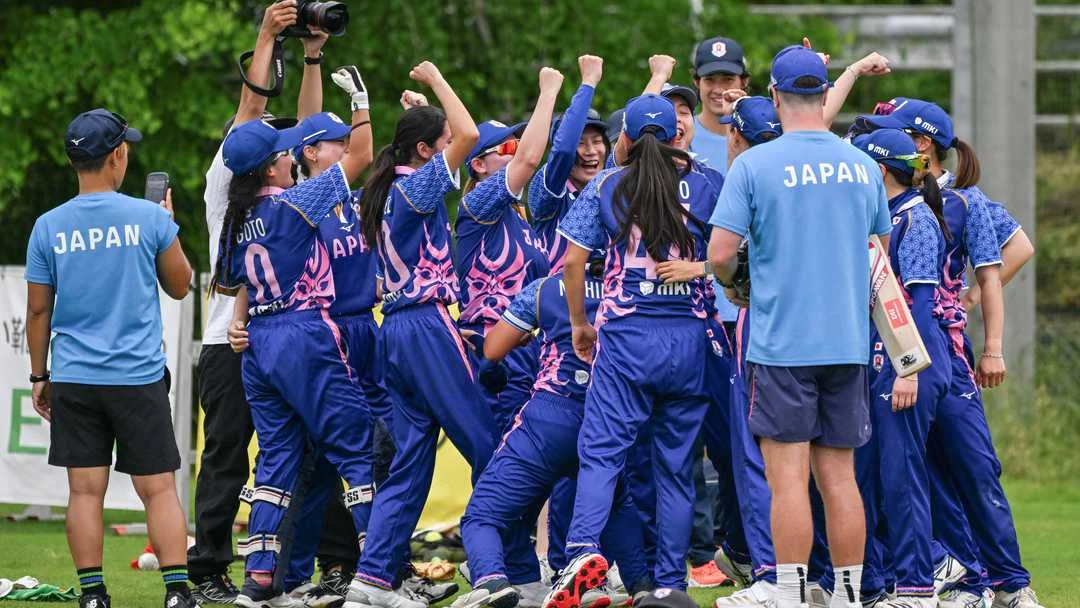
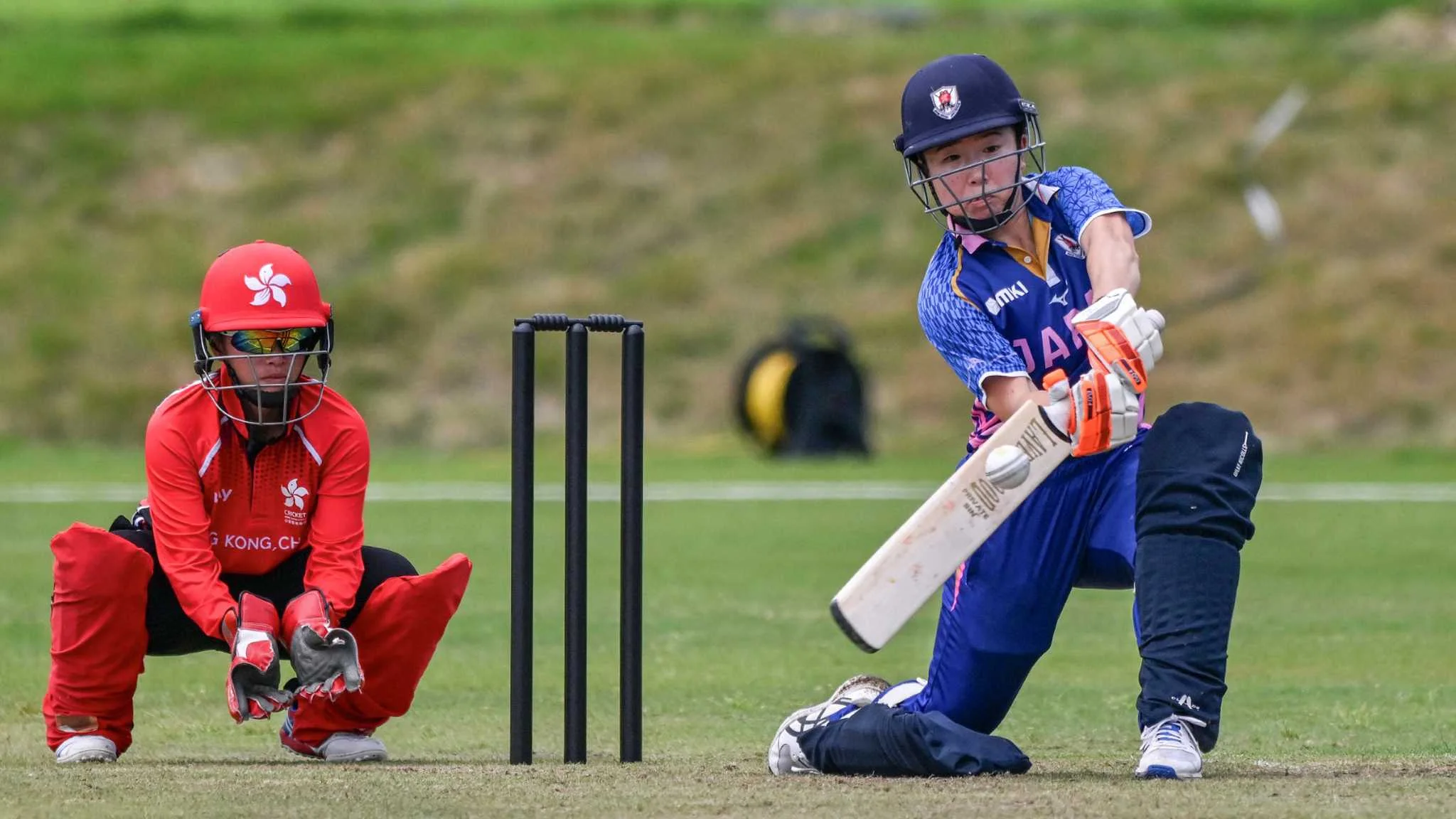
Japan Women ka Asian Games 2026 campaign aur India ke against high-profile challenge, Japan cricket ke wider development journey ka important part hai.
News Highlights
ICC Japan ko sirf ek emerging team ke roop me nahi, balki future major-event hosting market ke perspective se bhi closely dekh raha hai.
India ne Japan ke saath bilateral engagement me men's International T Twenty khelne par agreement kiya hai, jo Japan Cricket Association ke operational development ke liye major exposure maana ja raha hai.
Japan men's team ne 2026 me ab tak 10 matches me 8 wins record ki hain, jabki Japan Women ne 5 matches me 3 victories hasil ki hain.
ICC ke select live streams ne Japan me YouTube aur Facebook par combined 1.1 million se zyada views generate kiye.
Sano ke baad Nagoya me second international-standard cricket ground available hone se Japan ki future ICC hosting capability considerably stronger hui hai.
Japan Women Asian Games campaign me India ka saamna karengi, jise captain Mai Yanagida ne intimidating se zyada exciting opportunity ke roop me describe kiya.
Main Story: Japan ab ICC ke liye sirf ek associate market nahi raha
Japan ko traditional cricket power ke roop me describe karna abhi premature hoga, lekin global development strategy ke context me country ki value unusual speed se grow kar rahi hai. ICC ke liye attraction simple hai: Japan ke paas already world-class multi-sport event hosting experience hai, aur cricket ko isi existing capability ke saath integrate kiya ja sakta hai.
Olympics, World Aquatics Championship aur World Athletics Championships jaise major events host kar chuka Japan ab Asian Games stage ke liye bhi central role me hai. Cricket ke administrators ke liye iska matlab ye hai ki ek emerging cricket market ko zero se event-management culture build nahi karna pad raha.
ICC ka interest isi strategic advantage se linked hai. Agar Japan Cricket Association cricket operations, international-team logistics, venue management, media services aur elite competition hosting standards ko systematically strengthen karta hai, to country ka role associate cricket se kaafi aage ja sakta hai.
India ka Japan tour itna important kyun hai?
Source material ke mutabik India ne Japan ke saath bilateral engagement ke part ke roop me men's International T Twenty khelne par agreement kiya hai. Japan men's side ko source me world ranking me 41st place par listed kiya gaya hai, lekin ICC ke liye is fixture ka importance rankings se kahin zyada hai.
Full-member cricket nation ka associate country me jaakar major international fixture khelna local ecosystem ko real-world test deta hai. Match sirf players ke liye exposure nahi hota. Administrators ko accreditation, broadcasting, team operations, hospitality, security, scheduling aur international standards ka practical pressure bhi handle karna padta hai.
"India's tour of Japan is so important."ICC official
ICC official ke explanation ka central point ye tha ki agar future me Japan major ICC events host karne ki ambition rakhta hai, to Japan Cricket Association ko world-class teams host karne ke operational demands ka direct experience milna zaroori hai.
Isi sense me India-Japan fixture ek bilateral cricket match se zyada ban jata hai. Ye Japan ke future hosting model ka live examination bhi hai.
Japan Cricket Growth Snapshot
Men's 2026 Record10 matches, 8 wins, 2 losses
Women's 2026 Record5 matches, 3 wins, 2 losses
Digital Reach In JapanMore than 1.1 million views
International FacilitiesSano and Nagoya
Japan Women CaptainMai Yanagida
Major Development PlatformAsian Games 2026
Men's cricket: participation ke saath results bhi improve hue
Japan men's international programme ka sabse important signal sirf win percentage nahi, balki match volume me growth hai. Regular competition kisi bhi associate programme ke liye development ka basic engine hota hai, aur Japan ke numbers us direction me clear progression dikhate hain.
Year
Matches
Wins
Losses
Other
2022
7
5
2
-
2023
8
4
4
-
2024
25
18
6
1 abandoned
2025
11
6
5
-
2026 so far
10
8
2
-
Is period me Japan ne Kuwait, Bahrain aur Papua New Guinea ke against victories bhi record ki hain. Source data me in teams ko respectively 23rd, 27th aur 22nd rankings ke saath mention kiya gaya hai.
Associate cricket ke context me aise results important hote hain, kyunki ye sirf isolated upset nahi, competitive ceiling ke gradually move hone ka indicator ban sakte hain.
Japan Women's programme me match exposure aur results dono improve hue hain, jo Asian Games 2026 se pehle country's broader cricket development ko momentum dete hain.
Japan Women: 2022 se 2026 tak performance curve kaafi badla
Japan Women's side ki progression bhi development story ka major part hai. 2022 me team ne four matches khele aur sabhi lose kiye the. Uske baad match volume aur winning output dono me visible improvement aaya.
Year
Matches
Wins
Losses
2022
4
0
4
2023
16
4
12
2024
14
10
4
2025
11
7
4
2026 so far
5
3
2
Ye rise Asian Games campaign ko aur interesting bana deta hai, because Japan Women ab ek aise stage par India Women ka saamna karne wali hain jahan competitive gap significant hai, lekin learning value equally massive ho sakti hai.
India Women ke against Mai Yanagida ki team ke liye rare stage
Japan Women apna Asian Games campaign India ke against open karengi. Team ne recent Asia Cup me Indian women's side ko closely follow kiya tha aur players WPL ko bhi regularly watch karte rahe hain.
Japan captain Mai Yanagida ke words me excitement clearly visible thi. India ke top-level players ke against field share karna Japan squad ke liye ek aisa experience hai jo routine bilateral exposure se kaafi different hoga.
"Facing India is just unreal. And it's very exciting."Mai Yanagida, Japan captain
Mai ne acknowledge kiya ki India jaise top cricket nation ke against jaana intimidating ho sakta hai, lekin team us challenge ko fear ki jagah excitement ke perspective se dekh rahi hai.
Development programmes ke liye isi type ke matches invaluable hote hain. Scorecard ek result deta hai, lekin players ko speed of game, decision-making standards, fitness demands aur elite-level execution ka first-hand reference milta hai.
Japan Women's on-field development ab stronger international competition aur Asian Games exposure ke through next phase me enter kar raha hai.
Digital audience ne ICC ko ek aur strong signal diya
Infrastructure aur team performance ke parallel ek aur question critical hai: kya Japan me cricket dekhne wali audience exist karti hai?
ICC ke select live-streaming initiative ne is sawal ka encouraging early answer diya. Key emerging markets me YouTube aur Facebook par streamed matches ne Japan me combined 1.1 million se zyada views record kiye.
Japan Platform Views1.1M+
Japanese YouTube Feed Share58%
Japanese Facebook Feed Share70%
Japanese YouTube Views118,000
YouTube par Japan aur Indonesia se linked non-English feeds ke 201,000 views me Japanese feeds ne 118,000 views, ya 58 percent, contribute kiye. Facebook par comparable non-English streaming total me Japanese feeds ka contribution 70 percent raha.
Ye numbers prove nahi karte ki cricket already mainstream Japanese sport ban gaya hai. Lekin ye definitely show karte hain ki local-language distribution aur meaningful competition ke saath audience discovery possible hai.
Key Turning Point: Sano ke baad Nagoya ne hosting equation badal di
Japan ke cricket-development plan ka sabse concrete infrastructure change second international-standard facility ka available hona hai.
Sano me ek international cricket ground already available tha. Asian Games development ke through Nagoya me second international-standard ground ka addition hua, aur ICC official Glenwright ke explanation ke mutabik ye change Japan ko major-event hosting conversation me much stronger position deta hai.
Major ICC competitions ko generally multiple international-standard facilities ki requirement hoti hai. Do usable venues ke saath Japan ki capability theoretical aspiration se practical hosting proposition ki taraf move karti hai.
Ground quality par ICC confident
Asian Games cricket venue ke surrounding facilities ko lekar kuch adverse reports aur concerns aaye, especially athletes' enclosures, changing rooms aur media areas ke context me.
Lekin ICC official ne pitch aur outfield ko lekar confidence express kiya. Source ke mutabik same facility par earlier in the year World Cup qualifier bhi stage kiya gaya tha, aur cricketing surface ko strong assessment mila.
Supporting infrastructure concerns ko address kiya ja raha tha. Is distinction kaafi important hai: cricket field quality ko ICC ne problematic nahi bataya, jabki auxiliary event facilities ko improvement work ki zarurat thi.
Asian Games ICC ke development model me itne valuable kyun hain?
Olympic Games me every sport ke liye participation scale naturally limited hota hai. Regional multi-sport events, including Asian Games, ICC members ko broader access provide karte hain.
ICC official Glenwright ke development explanation me do major benefits identify kiye gaye. Pehla, more member nations multi-sport environment me compete kar sakte hain. Doosra, participation se government funding, Olympic committees, sponsors aur institutional sports programmes ke doors open ho sakte hain.
Associate cricket ke liye ye funding pathways extremely important hote hain. Traditional cricket revenue ecosystem ke bahar operate karne wale countries ko government aur Olympic structures se milne wala support facilities, coaching, junior development aur national-team programmes ko significantly accelerate kar sakta hai.
Tactical Development Analysis: Japan ke growth model ke four pillars
1. Stronger opposition exposure
India jaise full member ke saath bilateral cricket Japan ke players aur administrators dono ke benchmark ko elevate karta hai. Elite competition ka direct exposure development speed ko dramatically improve kar sakta hai.
2. Competitive repetition
2022 se 2026 tak men's aur women's teams ke match volumes suggest karte hain ki Japan isolated fixtures ki jagah more regular international programme ki taraf move kar raha hai.
3. Infrastructure before ambition
Sano aur Nagoya ka two-ground structure future hosting plans ko credible banata hai. Major tournament ambition tabhi meaningful hoti hai jab facilities us ambition ko support kar sakein.
4. Local-language audience building
Japanese-language streaming performance demonstrate karti hai ki accessibility critical hai. Cricket ko Japan me grow karne ke liye sirf matches nahi, understandable and locally relevant presentation bhi equally important hogi.
Why this news matters
Japan ki story ka significance isliye bada hai kyunki global cricket historically limited number of major markets par heavily dependent raha hai. New commercially capable regions me sustainable participation grow karna ICC ke long-term expansion model ke liye strategically valuable ho sakta hai.
Japan ek unusual combination offer karta hai: cricket abhi emerging stage me hai, lekin country's event infrastructure aur sporting administration already mature hai. Normally associate nations ko dono systems simultaneously build karne padte hain.
India ka bilateral engagement Japan ko sporting credibility ka important boost deta hai. Asian Games high-visibility competitive stage provide karta hai. Digital numbers audience potential ka early proof dete hain. Aur two international facilities hosting ambition ko physical base dete hain.
Individually dekha jaye to ye developments small lag sakte hain. Together dekha jaye to ye ek coherent growth model form karte hain.
GNN And The Guru Gyan Angle
Guru News Network (GNN), powered by The Guru Gyan, ke perspective se Japan cricket ki ye development story scoreboard-based news se kaafi wider hai. Ye global cricket expansion, associate-member development, infrastructure strategy aur audience building ka combined case study hai.
Japan overnight major cricket nation ban jayega, aisa claim available information support nahi karti. Lekin ICC ka interest, India ke saath bilateral engagement, Asian Games exposure, improving results aur Sano-Nagoya facilities clearly indicate karte hain ki Japan ko future planning me more serious consideration mil raha hai.
Latest international cricket developments, tournament context aur deeper cricket intelligence ke liye readers Guru News Network follow kar sakte hain. Broader cricket coverage ke liye The Guru Gyan aur live match movement ke liye The Guru Gyan Live Line official platforms hain.
Follow cricket's next growth stories with Guru News Network
Asian Games 2026, Japan cricket, India Women, associate nations aur global cricket-development stories ke liye Guru News Network par context-rich coverage follow karein. The Guru Gyan cricket ko sirf result ke through nahi, uske bigger strategic picture ke saath cover karta hai.
Content Authenticity: This original content is exclusively authored and published by The Guru Gyan. To maintain search engine integrity and avoid content duplication, this article originally appeared on our official portal at https://thegurugyan.com/cricket-news/.
Strict Anti-Gambling Policy: The Guru Gyan is a platform dedicated to cricket match intelligence and analytics. We strictly DO NOT support, promote, or encourage any form of betting, gambling, or illegal activities.
Beware of Impersonators: We prioritize our users' digital safety. The Guru Gyan does not operate any official Telegram channel or group. Please rely only on our verified domains for authentic information: https://thegurugyan.com and https://live.thegurugyan.com.
Contact Our Core Team: For genuine business inquiries, feedback, or support, reach out directly to Aakash Rai at +91 9826913203 or +91 9111191152.
More from The Guru Gyan
Read related cricket news, then jump to the live products that support this story with real-time score, series coverage and prediction transparency.