
I.P.L. Twenty Twenty cricket ki is badalti hui duniya mein... ek naya power map saamne khada hai. Royal Challengers Bengaluru aur Gujarat Titans, dono teams ek hi manzil par pahunchi hain... Qualifier One. Lekin in dono ka raasta bilkul alag raha hai. Ek taraf R.C.B. hai, jahan Virat Kohli, King Kohli, top order mein stability ka lighthouse ban kar khade hain. Unke aas-paas Devdutt Padikkal, Rajat Patidar, aur Tim David jaise role-based warriors hain, jinke entry points, matchups, aur phase-wise impact ko ek modern T Twenty machine ki tarah design kiya gaya hai. Dusri taraf Gujarat Titans hain... Shubman Gill, The Prince, ke top-order control, wicket preservation, aur Rashid Khan, spin wizard, ke attacking pressure ke saath. Titans ne aggression ko sirf loud shots mein nahi, balki patience, discipline, aur deep batting responsibility mein translate kiya hai. Yeh kahani sirf Qualifier One ki nahi hai... yeh I.P.L. ke naye order ki kahani hai. Pehle Mumbai Indians aur Chennai Super Kings jaise dynasties league par raaj karte the. Lekin twenty twenty two ke expansion ke baad, har season naya champion, naya system, aur nayi tactical identity lekar aaya. Titans ne apne first five seasons mein four playoff appearances aur three top-two finishes ke saath ek rare consistency build ki. R.C.B. ne gradual rise ke baad twenty twenty five ka title jeeta, aur phir next season league stage top karke apne champion mindset ko validate kiya. Ab Dharamsala mein dono systems aamne-saamne hain. R.C.B. ka model kehta hai... har phase ka specialist, har role ka purpose, har batter ka defined mission. Kohli powerplay mein engine hain. Padikkal transition phase ko set karte hain. Patidar ten overs ke baad game ko fast-forward kar dete hain. Tim David final five overs mein destruction ka switch press karte hain. Gujarat ka model kehta hai... top three game ko itna deep lekar jao ki lower order ko panic ka chance hi na mile. Gill aur Titans ka top order balls ka major share face karta hai, runs ka major share banata hai, aur collapses ko almost delete kar deta hai. Tactical battle ka asli drama yahin hai. Agar Gujarat early wickets le leti hai, R.C.B. ka phase-based structure disturb ho sakta hai. R.C.B. three down inside eight overs hui hai to unke results weak pade hain. Siraj aur Rabada jaise new-ball operators, Bhuvneshwar Kumar, Bhuvi, aur Josh Hazlewood jaise control masters ke against ek high-class chess board khulne wala hai. Middle overs mein R.C.B. control se squeeze karti hai, Krunal Pandya aur Suyash Sharma tempo slow karte hain. Gujarat attack ko zinda rakhti hai, Rashid stumps par pressure banate hain, aur tall seamers deck ko hit karte rehte hain. Isliye Qualifier One sirf final ka shortcut nahi hai... yeh modern I.P.L. philosophy ka courtroom hai. Ek side structure hai, dusri side stability. Ek side distributed match-winners hain, dusri side concentrated excellence. Aur jab Dharamsala ki hawa mein pressure ghoomega, tab pata chalega ki I.P.L. ka naya raaj kis formula se likha jayega. Aap sun rahe the Guru News Network, powered by द गुरु ज्ञान. Cricket news, sharp analysis, fastest clean live line, aur trusted match intelligence ke liye द गुरु ज्ञान par jude rahiye... kyunki yahan cricket sirf update nahi hota, samjhaaya bhi jaata hai... feel bhi karaya jaata hai.
The Indian Premier League has entered a new age, and Qualifier One between Royal Challengers Bengaluru and Gujarat Titans feels like its most elegant stress test. This is not merely a playoff between two successful sides. It is a collision between two cricketing philosophies, both refined by time, pressure, and the ruthless economy of Twenty Twenty cricket. Royal Challengers Bengaluru arrive with the architecture of a modern elite machine. Their batting is not built on chaos. It is built on entrances, phases, matchups, and role clarity. Virat Kohli, King Kohli, remains the top-order constant, the pulse that keeps their Powerplay moving. Devdutt Padikkal shapes the late Powerplay and early middle overs. Rajat Patidar transforms the innings after the tenth over with rare acceleration. Tim David waits at the death like a closing chapter written in heavy ink, striking with the violence and precision that makes final overs feel smaller than they are. Gujarat Titans, meanwhile, carry a very different authority. Their method is quieter, colder, and almost old-fashioned in a league addicted to instant aggression. Shubman Gill, The Prince, and the Titans top order preserve wickets, bat deep, absorb responsibility, and keep the innings under control until the opposition begins to run out of answers. Their success is not random. Since twenty twenty two, Gujarat Titans and Royal Challengers Bengaluru have separated themselves from the field. Titans hold the strongest win-loss record in this phase, while R.C.B. stand close behind. Rajasthan Royals are the only other team above water across the same period. The old giants, Mumbai Indians and Chennai Super Kings, once the central dynasties of the league, no longer own the same statistical throne. The league has shifted. The map has changed. What makes this Qualifier One in Dharamsala so compelling is the contrast. R.C.B. have twelve different Player-of-the-Match winners across the last two seasons, a sign of spread-out responsibility and deep tactical design. Titans have fewer, with impact concentrated around their top three batters and strike bowlers. R.C.B. want every piece of the puzzle to enter at the perfect time. Titans want their most important pieces to stay in the game long enough to control the entire board. The tactical key is early wickets. When R.C.B. are forced three down inside eight overs, their carefully layered structure can begin to wobble. Gujarat know this. Their new-ball attack, with Mohammed Siraj and Kagiso Rabada setting the tone, is designed to challenge that structure immediately. On the other side, Bhuvneshwar Kumar, Bhuvi, and Josh Hazlewood give R.C.B. their own premium new-ball rhythm. Through the middle overs, the roads split again. R.C.B. lean into control through Krunal Pandya and Suyash Sharma, using angles, pace changes, awkward lengths, and defensive intelligence. Gujarat keep attacking, with Rashid Khan, the spin wizard, pinning batters to the stumps while tall seamers continue to hit the surface. By the time the death overs arrive, Titans often have enough wickets in the bank as a bowling unit to expose lower orders before they can breathe. This, then, is the real story. Qualifier One is bigger than a route to the final. It is a referendum on how modern I.P.L. cricket should be won. Is it phase optimization, role clarity, and distributed firepower? Or is it top-order dominance, wicket preservation, and relentless attacking pressure with the ball? Dharamsala now becomes the stage. R.C.B. and Gujarat Titans bring the systems. The league waits for the answer. You were listening to Guru News Network, powered by The Guru Gyan. For sharper cricket stories, clean live line updates, and match intelligence that respects the game more than the noise around it, stay connected with The Guru Gyan, where cricket is not just followed, it is understood.
Qualifier 1 may decode IPL's new power map as RCB and GT collide in Dharamsala
Royal Challengers Bengaluru aur Gujarat Titans I.P.L. 2026 ke Qualifier 1 me sirf final ticket ke liye nahi, balki league ke naye tactical order ko define karne ke liye bhi utar rahe hain. Dono teams top par hain, lekin dominance ka route bilkul different hai: RCB ka phase-optimized structure versus GT ka top-order control and sustained wicket pressure.
News Highlights
- Royal Challengers Bengaluru aur Gujarat Titans I.P.L. ke shifting power structure ke center me khade hain.
- Since 2022, Titans ka win-loss record 46-28 hai, while Royal Challengers ka record 43-31 hai.
- I.P.L. expansion ke baad last four seasons me four different champions mile, jo league ke fluid era ko strongly reflect karta hai.
- RCB ka model phase optimization, defined roles aur distributed match-winners par based hai.
- GT ka model top-order consistency, wicket preservation aur Powerplay ke baad bhi attacking bowling pressure par built hai.
- Qualifier 1 in Dharamsala ab ek simple playoff nahi, balki do contrasting T Twenty philosophies ka direct exam ban gaya hai.
Main Story: IPL ka new order ab Dharamsala me test hoga
Royal Challengers Bengaluru aur Gujarat Titans I.P.L. ke naye competitive phase ke sabse clear symbols ban chuke hain. Ek side modern role clarity, matchup planning aur phase optimization se built hai. Dusri side top-order consistency, wicket preservation aur attacking bowling mindset se dominance create karti hai.
Dono teams ka destination same hai: Qualifier 1. Lekin methods alag hain, aur isi wajah se Dharamsala ka clash sirf playoff match nahi lag raha. Ye I.P.L. ke post-2022 era ka tactical statement bhi ban sakta hai.
League ka power balance bhi change ho chuka hai. First 14 editions me Mumbai Indians aur Chennai Super Kings ne combined nine titles ke saath I.P.L. ko dynasty mode me rakha. Lekin 2022 expansion ke baad league zyada fluid ho gayi hai. Last four seasons me four different champions aaye, pehli baar I.P.L. history me aisa sequence bana.
Human civilization ne finally samjha ki cricket sirf two-team empire nahi hota. Thoda late, but progress is progress.
Series And Match Context
Why RCB and GT define the post-2022 IPL era
Since 2022, Titans ka 46-28 win-loss record league me benchmark ban gaya hai. Royal Challengers 43-31 par close second hain, while Rajasthan Royals 38-36 ke saath is period me above-water rehne wali only other side hain. Irony apni jagah, once-dominant Chennai and Mumbai is chart ke bottom side me milte hain.
Gujarat Titans ka rise immediate aur startlingly consistent raha. First five seasons me four playoff appearances, aur top-two finish three times. Is specific early-franchise consistency ko sirf Chennai Super Kings ne better kiya tha, jab unhone apne first five seasons me har baar final four reach kiya.
Royal Challengers ka climb comparatively gradual raha, but equally important. Unhone preceding five seasons me four playoff qualifications secure kiye, 2025 me long title wait end kiya, aur next season league stage top karke apne championship campaign ko back up kiya.
Both sides ne title-winning season ke baad next season league table top kiya, jo previously Mumbai Indians ne 2019 aur 2020 ke across achieve kiya tha. Ye detail small nahi hai. Sustained excellence modern I.P.L. me rare currency hai.

RCB Model: Phase optimization aur distributed firepower
Royal Challengers ka current structure modern T Twenty optimization ka polished example hai. Batting lineup complementary skillsets se banaya gaya hai, jahan har player ka entry point aur phase role clear dikhta hai.
Virat Kohli top par constant engine hain. Opening partners ke returns 2026 me dip hue hain, but Kohli Powerplay scoring ko drive karte rahe hain. Uske baad lineup ka design matchup advantages aur situation-specific entry points ko maximize karta hai.
Devdutt Padikkal back end of Powerplay aur early middle overs me impactful rahe hain. Ye platform Rajat Patidar ke liye ideal conditions create karta hai, jinka strike rate after the 10th over this season 207.37 hai. Death overs me Tim David ka role aur bhi loud hai, as he is striking at 223.28 in the final five overs this season.
RCB ke openers ke outside bhi scoring depth impressive rahi hai. Padikkal ne 433 runs at strike rate 172, Patidar ne 393 runs at 184, aur David ne 277 runs at 198 score kiye. Six RCB batters ke paas 100-plus runs with strike rates above 160 hain. Gujarat side me is season sirf Shubman Gill 160-plus strike rate bracket me hain, at 161.67.
GT Model: Top-order control aur wicket preservation
Gujarat Titans ka model league ke Impact Player era me ek interesting counterculture story hai. Jab baaki league all-out aggression ko embrace kar rahi hai, Titans wicket preservation ko unusually high value dete hain.
Unka top three innings ka major share face karta hai. 2025 me GT top three ne 71.2% balls face ki aur 71.2% batting runs contribute kiye. 2026 me ye numbers 66.7% balls aur 69.4% runs tak rahe. In short, top order sirf start nahi deta, game ka steering wheel bhi apne paas rakhta hai.
Is approach ka core reason consistency hai. Titans only side hain jinhone 2025 aur 2026 dono seasons me Powerplay wickets lost ko matches played se kam rakha. Collapse risk almost remove ho jaata hai, aur one among top three unke all 16 wins across last two seasons me leading scorer raha hai.
Ye model fashionable nahi lagta, but scoreboard ko fashion sense ki zaroorat nahi hoti. Runs chahiye, wickets chahiye, bas.

Key Turning Point: Early wickets can break RCB's ecosystem
Qualifier 1 ka sharpest tactical battle early wickets par settle ho sakta hai. RCB ka phase-based batting model tab best function karta hai jab wickets intact rahein, aur designated finishers apne best entry points par aayein.
Jab opponents ne RCB ko early breach kiya hai, vulnerability visible rahi hai. Since 2025, Royal Challengers seven times three down inside eight overs hui hain, aur unme se five matches lose kiye. Dono wins moderate chases me aayi thi, jahan Krunal Pandya ne number five par anchoring role play kiya.
Gujarat ke perspective se early wickets sirf wickets nahi honge. Wo RCB ke entire batting ecosystem ko dislocate karne ka route ban sakte hain.
GNN Tactical Read: Agar Titans Powerplay me RCB ko two or three down push kar dete hain, to RCB ke Patidar-David finishing pathway par pressure early shift ho jayega. Agar Kohli and first-change structure survive kar gaya, RCB ka phase engine far more dangerous ho sakta hai.
Bowling Battle: New ball mirror, middle overs contrast
New ball phase me dono teams high-class pace templates lekar aati hain. Mohammed Siraj aur Kagiso Rabada Titans ke liye Powerplay pressure build karte hain. RCB side me Bhuvneshwar Kumar similar probing principles par operate karte hain, while Josh Hazlewood Rabada-type hard-length threat ka mirror profile provide karte hain.
Good-length discipline bhi dono attacks ki identity ka part hai. Titans good length par 59.1% of the time bowl karte hain, league-high mark. Royal Challengers 52.1% ke saath third rank par hain.
Field spread hote hi similarities reduce ho jaati hain. RCB middle overs me control-first approach prefer karte hain. Krunal Pandya angles, pace, delivery points and lengths vary karte hain. Suyash Sharma awkward back-of-length trajectories use karte hain, jinko batters ke liye get under karna tough hota hai. Rasikh Salam fuller-length option ke roop me mainly back end of Powerplay aur death overs ke aas-paas fit hote hain.
Gujarat Titans ka middle-overs philosophy more aggressive hai. Rashid Khan batters ko stumps par pinned rakhte hain, while tall seamers deck hit karte rehte hain. Prasidh Krishna ne first half of season me ye role strongly perform kiya, before Jason Holder later us role me aaye. By start of death overs, Titans average 5.5 wickets per innings, which regularly exposes opposition lower orders without set batters at crease.
Stability Factor: Dono teams rarely panic
RCB aur GT ke beech ek major similarity bhi hai: stability. Dono sides ne apne preferred combinations early settle kiye aur rarely deviate kiya. Injuries and availability ne personnel change kiye honge, but 2026 me ye two sides fewest personnel use karne wali teams me rahi hain.
Is stability ka impact dressing-room clarity par hota hai. Players ko pata hota hai unka role kya hai, kab enter karna hai, kis phase me kya execute karna hai. Modern I.P.L. me jahan squads auction-table jigsaw puzzle ban jaati hain, settled roles gold-dust ki tarah valuable hote hain.
RCB ke 12 different Player-of-the-Match winners across last two seasons unki spread of match-winners highlight karte hain. Titans ke only eight winners, all from either top three batters or strike bowlers, unki concentrated excellence ko underline karte hain. Dono models coherent hain, bas operating systems different hain.
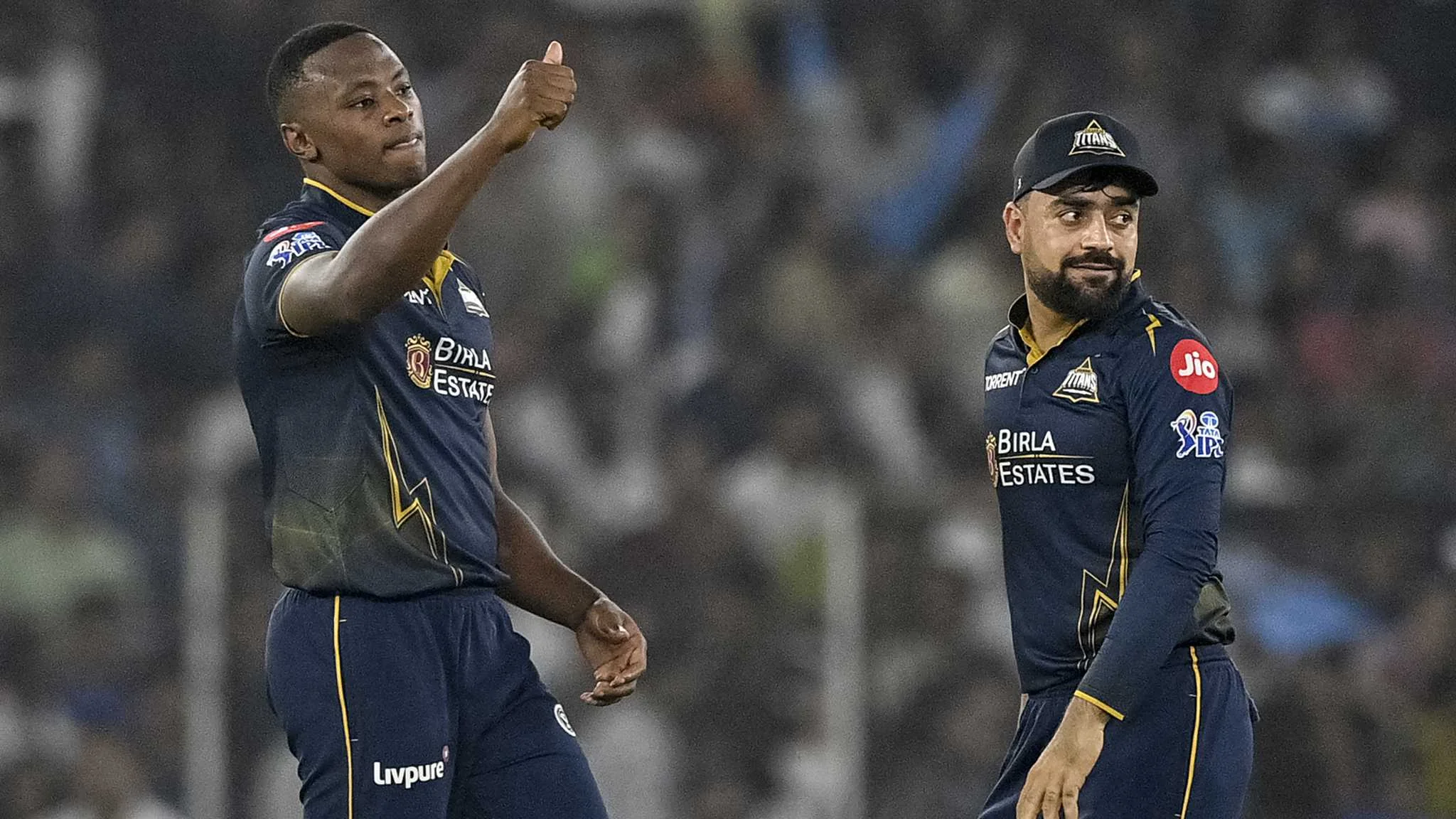
Why this news matters
Ye matchup normal playoff se bada isliye hai kyunki it defines how I.P.L. dominance is being built now. Dynasty era ke baad teams ko repeat success ke liye deeper systems chahiye. RCB aur GT dono ne alag-alag tareeke se wahi system create kiya hai.
RCB ke liye Qualifier 1 ek test hai ki unka role clarity model playoff pressure me bhi same clarity se function karega ya nahi. GT ke liye question hai ki unka top-heavy batting model and attacking bowling approach final route par equally reliable rahega ya nahi.
Head-to-head season record 1-1 hai, with both sides winning emphatically at home. Isliye Dharamsala neutral pressure chamber jaisa ban gaya hai, jahan result se zyada process ka stress test important hoga.
GNN And The Guru Gyan Angle
Guru News Network (GNN), powered by The Guru Gyan, is Qualifier 1 ko I.P.L. 2026 ka defining tactical contest maanta hai. RCB aur GT dono top teams hain, but unki cricketing identities itni different hain ki ye match ek blueprint battle jaisa feel karta hai.
Readers latest cricket news, I.P.L. 2026 analysis, playoff context aur team trends ke liye Guru News Network par coverage follow kar sakte hain. Cricket intelligence aur broader analysis ke liye The Guru Gyan official destination hai.
Live match movement, score pulse aur clean cricket updates ke liye The Guru Gyan Live Line useful platform hai. Focus sirf cricket information, match intelligence aur transparent analysis par rehta hai, not noise.
Related Topics
Follow IPL 2026 playoff coverage with Guru News Network
RCB vs GT Qualifier 1, I.P.L. 2026 playoff analysis, team news, tactical breakdowns aur live match movement ke liye Guru News Network aur The Guru Gyan platforms par sharp, clean aur context-rich coverage follow karein.
Official Transparency and Trust Disclaimer
Content Authenticity: This original content is exclusively authored and published by The Guru Gyan. To maintain search engine integrity and avoid content duplication, this article originally appeared on our official portal at https://thegurugyan.com/todaymatchprediction/.
Strict Anti-Gambling Policy: The Guru Gyan is a platform dedicated to cricket match intelligence and analytics. We strictly DO NOT support, promote, or encourage any form of betting, gambling, or illegal activities.
Beware of Impersonators: We prioritize our users' digital safety. The Guru Gyan does not operate any official Telegram channel or group. Please rely only on our verified domains for authentic information: https://thegurugyan.com and https://live.thegurugyan.com
Contact Our Core Team: For genuine business inquiries, feedback, or support, reach out directly to Aakash Rai at +91 9826913203 or +91 9111191152.