Three Missing Runs Haunted Them For Years, Now Netherlands Women Are Back On The World Cup Stage
Cricket News Update
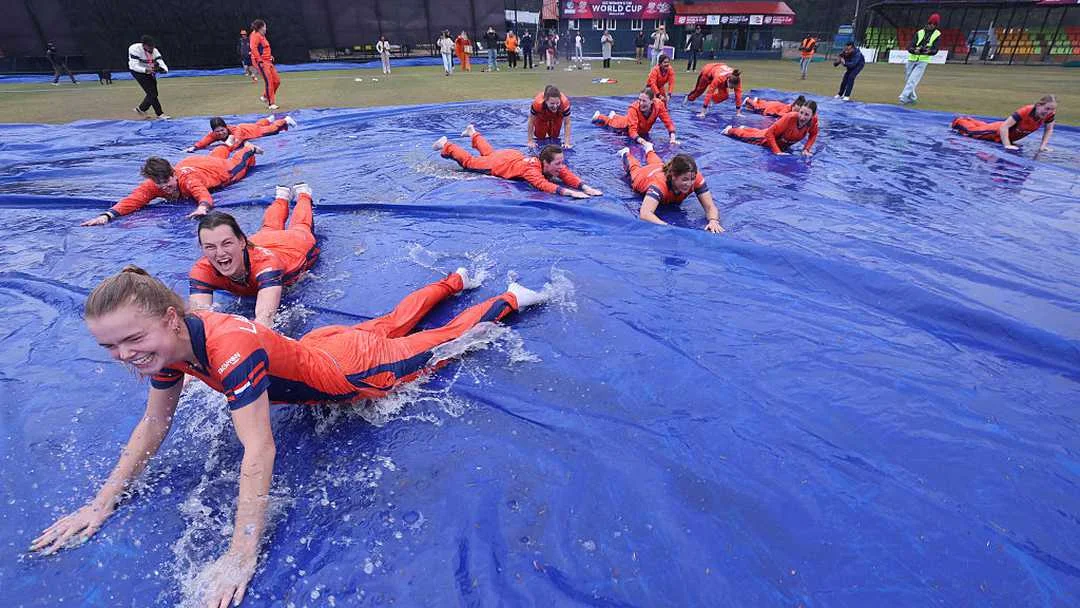
कहानी शुरू होती है January 28, 2026 की एक बेचैन सुबह से... Nepal के Kirtipur में बादल नीचे झुके हुए थे, बारिश ने खेल रोक दिया था, और Netherlands Women तथा USA Women के बीच मुकाबले का भविष्य D. L. S. गणना में अटक गया था। हजारों किलोमीटर दूर, university professor और former international cricketer Helmien Rambaldo अपनी computer screen पर refresh button बार-बार दबा रही थीं। Netherlands Women को आखिरी आठ overs में उनतालीस runs चाहिए थे, आठ wickets बाकी थीं... सामान्य स्थिति में यह आसान chase लगता। लेकिन यह सामान्य match नहीं था। यह उस दरवाजे की चाबी था, जो छब्बीस साल से बंद पड़ा था। जीत जरूरी थी... क्योंकि सामने सिर्फ scoreboard नहीं, एक पूरी generation का अधूरा सपना खड़ा था। Helmien Rambaldo ने इस team की कई players को तब से देखा था, जब वे तेरह या चौदह साल की थीं। अब वही players पहली बार ICC Women's T Twenty World Cup के मंच की ओर बढ़ रही थीं। Rambaldo के लिए यह खुशी से ज्यादा एक लंबी स्मृति का सामना था। वह 2000 World Cup खेलने वाली आखिरी Netherlands side का हिस्सा थीं। उससे पहले Netherlands Women 1988, 1993 और 1997 World Cups में भी पहुंच चुकी थीं। कभी यह team दुनिया की top eight sides में गिनी जाती थी... फिर धीरे-धीरे बाकी दुनिया आगे निकलती गई, और Netherlands पीछे छूटता चला गया। लेकिन Rambaldo के दिल में सबसे गहरा घाव 2013 के qualifier का था। Ireland के खिलाफ एक chase... आखिरी ball... चार runs की जरूरत... और Rambaldo non-striker end पर खड़ी थीं। Netherlands सिर्फ दो runs से हार गया। उसके बाद एक सवाल वर्षों तक उनके भीतर गूंजता रहा... “Where were those three runs?” उन्हें याद था seventeenth over की एक full delivery, जिस पर उन्होंने shot ही नहीं खेला। अगले over में boundaries आईं... मगर समय वापस नहीं आया। World Cup ticket हाथ की दूरी पर था, फिर भी हाथ खाली रह गए। यह सिर्फ एक defeat नहीं थी... यह उस decline का चेहरा थी, जो पहले ही शुरू हो चुका था। 2003 qualifier में Netherlands third आया, जबकि सिर्फ top two teams आगे गईं। 2011 qualifier में team sixth रही और O. D. I. status भी चला गया। Funding कम हुई, matches घटे, और Full Member nations के पास money, facilities तथा regular competition बढ़ता गया। Bangladesh, Pakistan, West Indies और दूसरी teams ने investment किया... Netherlands बेहतर तो हुआ, मगर दुनिया उससे कहीं ज्यादा तेजी से बदल गई। Domestic cricket भी सिकुड़ता गया। एक समय country में लगभग चालीस women's teams और चार divisions थीं। बाद में सिर्फ आठ teams रह गईं। Cricket television से गायब हुआ। BBC का खुला access खत्म हुआ, paid sports broadcasting ने game को ordinary families से दूर कर दिया। लोगों के पास पूरे Saturday का समय कम हो गया। Short sports लोकप्रिय हुए... cricket का लंबा दिन कठिन लगने लगा। फिर भी कहानी खत्म नहीं हुई। Ingrid van der Elst जैसी veteran, जिन्होंने लगभग छह decades Netherlands cricket community के साथ बिताए, उम्र के सातवें दशक के बाद भी खेलती रहीं। Elise Reynolds ने 1997 और 2000 World Cups की memories scrapbooks में बचाकर रखीं। पुराने players ने clubs, coaching, stories और stubborn love के जरिए game की लौ बुझने नहीं दी। Facilities अब पहले से बेहतर हैं। Players छोटे groups में अलग training centres पर practice करती हैं। Full-time coach है, strength and conditioning support है, और current generation की quality, Rambaldo के शब्दों में, “worlds apart” है। फिर भी numbers छोटे हैं... पूरे देश में women participants तीन सौ से कम हैं। यही इस वापसी को और बड़ा बनाता है। यह qualification सिर्फ एक tournament entry नहीं... यह उन school halls की वापसी है, जहां mats बिछाकर practice होती थी। यह उन shared kits की वापसी है, जिन्हें कई players मिलकर इस्तेमाल करती थीं। यह 1937 में touring Australian side को host करने वाली legacy की वापसी है। यह Golden Tulip tournament, old clubs, family traditions और उन coaches की वापसी है, जिन्होंने stories के जरिए heroes बनाए। अब Netherlands Women World Cup में है। रास्ता कठिन होगा... opponents ज्यादा strong होंगे... resources का gap अभी भी मौजूद है। लेकिन इस बार team finish line पार कर चुकी है। Helmien Rambaldo अब player नहीं, assistant coach के रूप में squad के साथ हैं। कभी वह पूछती थीं... तीन runs कहां रह गए? अब जवाब शायद scoreboard पर नहीं, पूरी journey में छिपा है। वे runs हर उस player में थे, जिसने game नहीं छोड़ा। हर उस coach में थे, जिसने बिना spotlight काम किया। हर उस veteran में थे, जिसने उम्र के बाद भी bat और ball संभाले रखे। और हर उस refresh button में थे, जिसे January 28 की सुबह उम्मीद ने दबाया। Netherlands Women की यह वापसी बताती है कि cricket में कुछ victories match खत्म होने पर नहीं मिलतीं... वे decades तक दर्द, patience और faith से बनती हैं। आप सुन रहे थे Guru News Network, powered by द गुरु ज्ञान... जहां cricket की headlines के पीछे छिपी पूरी कहानी को आवाज दी जाती है। Trusted cricket news, thoughtful analysis और fastest live updates के लिए द गुरु ज्ञान तथा द गुरु ज्ञान Live Line से जुड़े रहिए... क्योंकि कुछ journeys सिर्फ देखी नहीं जातीं, उन्हें महसूस किया जाता है।
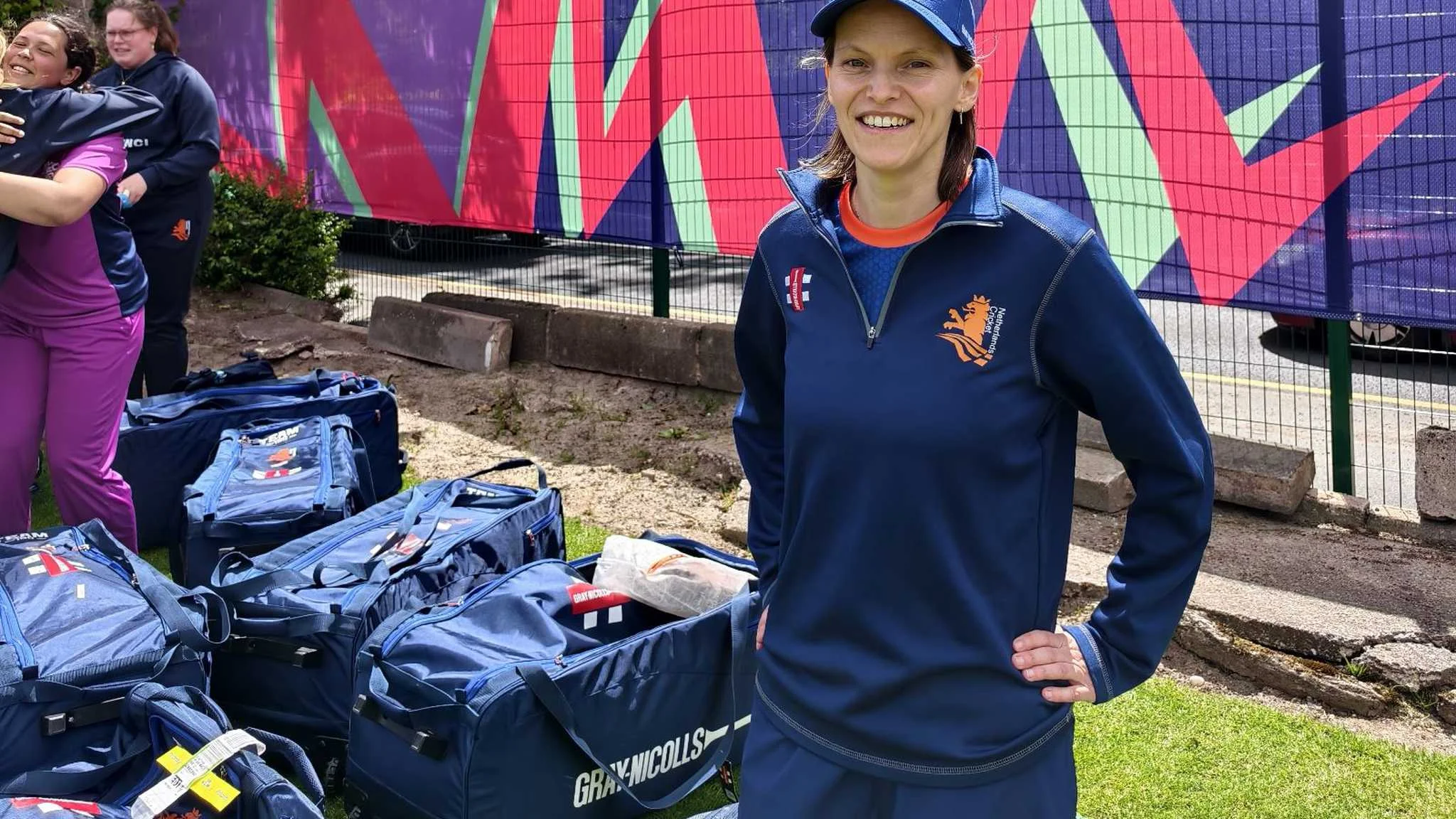
The story begins on January 28, 2026, with rain hanging over Kirtipur in Nepal... and with a cricketing future trapped inside a D. L. S. calculation. Netherlands Women were playing USA Women. They needed thirty-nine runs from the final eight overs, with eight wickets still in hand. On paper, the chase appeared comfortable. In reality, every delivery carried the weight of twenty-six years. Far away from the ground, Helmien Rambaldo, a university professor, former Netherlands international, and now assistant coach, kept refreshing her computer screen. Victory was essential. Ireland and Bangladesh were still ahead, but this match offered the clearest road towards a place Netherlands Women had never reached before... the ICC Women's T Twenty World Cup. For Rambaldo, the tension was deeply personal. She had coached many of the current players since they were thirteen or fourteen. She had also lived through the final years of an older Dutch era, when Netherlands Women belonged among the leading sides in world cricket. Rambaldo played in the 2000 World Cup, the country's fourth consecutive appearance after 1988, 1993, and 1997. At that time, Netherlands stood among the top eight teams in the world. What followed was not one sudden collapse, but a slow and painful retreat. Other nations invested more money, more time, more facilities, and more international opportunity. Netherlands improved, but the rest of the game accelerated beyond them. One memory came to define that long decline. In the qualifier for the 2014 T Twenty World Cup, Netherlands fell two runs short against Ireland. Rambaldo had batted through the innings. She remembered one full delivery from Isobel Joyce in the seventeenth over... a ball she simply allowed to pass without offering a shot. She recovered with boundaries later, but the damage had already entered her mind. On the final ball, with four runs required, she stood at the non-striker's end and watched the World Cup ticket disappear. For years, one question followed her: “Where were those three runs?” The heartbreak was part of a broader pattern. Netherlands finished third in the 2003 World Cup qualifier, when only two teams advanced. In 2011, with Rambaldo leading what she believed was the best prepared Dutch side of her career, Netherlands finished sixth in the qualifier for the 2013 fifty-over World Cup and lost One Day International status. The punishment arrived quickly. Funding fell. Opportunities narrowed. Matches against stronger opponents became rare. Full Member nations played each other more frequently, while Associate teams were pushed towards qualifiers where they often began at the bottom and stayed there. The domestic game also contracted. Around 1990, Netherlands had roughly forty women's teams across four divisions. Years later, only eight teams remained. Cricket became harder to watch on television. The move from freely accessible BBC coverage to paid sports broadcasting reduced the game's visibility. Modern life changed as well. Fewer people wanted to surrender an entire Saturday to one sport when shorter activities could be completed in half an hour. Yet Dutch women's cricket did not disappear, because a small community refused to let it disappear. Ingrid van der Elst remained part of that community for nearly six decades and continued playing into her seventies. Elise Reynolds preserved memories of the 1997 and 2000 World Cups in scrapbooks, including the day she believed she found the edge of Belinda Clark's bat, even though the catch was dropped and the moment never entered the record books. Former players, coaches, clubs, and families kept passing the sport from one generation to another. The history beneath them was rich. Women had played cricket in Netherlands since the 1930s. A touring Australian side visited in 1937. The country became an early member of the International Women's Cricket Council. In 1983, European boards created the Golden Tulip tournament in Utrecht. School halls became winter training grounds. Mats were rolled across gym floors. Cricket kits were shared. Heroes were imported through BBC broadcasts, family stories, and coaches from West Indies and South Africa. The modern structure is stronger than the one Rambaldo and Reynolds knew. Players now train in smaller groups, across better centres, with a full-time coach and strength and conditioning support. The quality of the current generation, in Rambaldo's phrase, is “worlds apart.” The numbers, however, remain fragile. Fewer than three hundred women are involved in the sport across the country. That is what makes this World Cup return so extraordinary. It is not merely the reward for one successful qualifying campaign. It belongs to every player who stayed, every coach who worked beyond the spotlight, every veteran who kept turning up, and every family that refused to let cricket become a forgotten word. Netherlands Women now arrive at the 2026 ICC Women's T Twenty World Cup knowing the challenge will be severe. They may not possess the financial power or playing depth of the largest nations. But they have already achieved something that statistics alone cannot explain. They crossed the finish line that had escaped them for years. Rambaldo no longer stands at the non-striker's end, asking where three missing runs went. She stands beside a new generation as assistant coach, carrying the memory of those runs into a tournament that once seemed unreachable. This is not a story about a team suddenly becoming powerful. It is a story about a team refusing to vanish. Thank you for listening to Guru News Network, powered by The Guru Gyan... where cricket news is told with context, clarity, and the human meaning hidden behind the scorecard. For trusted cricket coverage, thoughtful analysis, and the fastest live updates, stay connected with The Guru Gyan and The Guru Gyan Live Line... because the finest cricket stories do not simply end at the boundary; they remain with us long after the final ball.
ICC Women's T20 World Cup 2026Netherlands WomenWorld Cup ReturnGuru News Network
From three missing runs to a World Cup return: Netherlands Women reclaim their place
Ek rain-hit qualifier, ek sawal jo 2013 se Helmien Rambaldo ka peecha karta raha, aur ek cricket community jisne decline ke baad bhi game ko marne nahi diya. Netherlands Women ki 2026 World Cup journey qualification se kahin zyada badi kahani hai.
Netherlands Women ka ICC Women's T20 World Cup tak pahunchna 26 saal ki absence, repeated heartbreak aur ek determined domestic cricket community ke baad aaya hai.
News Highlights
Netherlands Women ne ICC Women's T20 World Cup 2026 ke liye qualify karke apna maiden T20 World Cup berth secure kiya.
Team ka last appearance kisi bhi Women's World Cup me 2000 edition me tha, jab Netherlands fourth successive global tournament khel raha tha.
Assistant coach Helmien Rambaldo current squad ki kai players ko early teenage years se coach karti rahi hain.
2013 qualifier me Ireland ke against two-run defeat aur Rambaldo ka sawal, “Where were those three runs?”, Dutch heartbreak ka lasting symbol ban gaya.
Domestic structure kabhi around 40 women's teams tak pahunchi thi, lekin later years me ye number sharply reduce hua; phir bhi small cricket community ne game ko alive rakha.
Modern Netherlands setup me better training centres, full-time coaching aur strength and conditioning support available hai, although women participants ka national pool ab bhi 300 se kam hai.
Main Story: Kirtipur ki baarish aur 26 saal ka weight
January 28 ko Nepal ke Kirtipur me USA aur Netherlands ke beech match rain delay me chala gaya. Netherlands ko final eight overs me 39 runs chahiye the aur eight wickets available the. Cricketing terms me equation manageable thi, lekin context ne har run ko heavy bana diya tha.
Victory Netherlands Women ke liye maiden T20 World Cup qualification ka strongest route thi. Ireland aur Bangladesh ke matches abhi baaki the, isliye rain, DLS numbers aur live equation ek ordinary chase ko national cricket history ke decisive moment me convert kar rahe the.
Ground se door Helmien Rambaldo apne computer par refresh button repeatedly press kar rahi thi. University professor, former Netherlands international aur current assistant coach ke liye ye sirf scoreboard tracking nahi thi. Unhone current squad ki multiple players ko age-group level se grow karte dekha tha, aur Netherlands Women's cricket ke rise, collapse aur recovery ke nearly har phase ko khud jiya tha.
“It always felt like we were always so close but never managed to cross the finish line.”Helmien Rambaldo
A World Cup legacy jo almost bhool di gayi
Netherlands Women's cricket ka global past surprisingly rich raha hai. Team 1988, 1993, 1997 aur 2000 Women's World Cups me continuously qualify hui. Rambaldo khud 20 saal ki age me 2000 edition ka hissa thi, jab Netherlands duniya ki top eight teams me count hota tha.
Unka international career 57 matches tak gaya, jisme ek Test bhi included tha. Netherlands me best woman cricketer ke liye diya jane wala medal unke naam par hai. Fir bhi unki cricket memory kisi award se nahi, ek missing moment se define hoti rahi.
Last Women's World Cup Appearance2000 edition
Earlier World Cup Entries1988, 1993, 1997 and 2000
Helmien Rambaldo Career57 internationals, including one Test
Current RoleNetherlands Women assistant coach
Dutch women's cricket ki roots 1930s tak jaati hain, jabki national side ne 1988 se 2000 tak four successive Women's World Cups me participation kiya.
The three runs that never left
2013 me 2014 T20 World Cup qualifier ke dauran Netherlands Ireland ke total se sirf two runs short reh gaya. Rambaldo ne chase ke 20 overs bat kiya, lekin unke mind me ek delivery permanently freeze ho gayi: 17th over me Isobel Joyce ki full ball, jise unhone bina shot offer kiye leave kar diya.
Next over me Rambaldo ne boundaries ke through response diya, lekin final ball tak equation unke control se bahar nikal chuki thi. Four runs required the aur woh non-striker's end par thi. Match khatam hua, World Cup ticket chala gaya, aur ek line unki memory me repeat hoti rahi.
“Where were those three runs?”Helmien Rambaldo on the 2013 qualifier heartbreak
Ye question scorecard se bada tha. Isme ek missed opportunity, ek generation ka frustration aur un years ka pressure tha jahan Netherlands repeatedly close aaya, lekin main event ka gate cross nahi kar paya.
Decline ka timeline: close calls se ODI status loss tak
2003 World Cup QualifierNetherlands third finish hua, lekin 2005 main event ke liye sirf top two teams qualify karti thi.
2011 QualifierTeam sixth rahi aur 2013 50-over World Cup ke saath ODI status bhi miss kar diya.
2013 T20 World Cup QualifierIreland ke against two-run defeat ne ek aur World Cup route close kar diya.
Mid-2000s onwardFunding, higher-ranked opposition ke against fixtures aur domestic playing numbers me serious decline aaya.
2026Netherlands Women finally ICC Women's T20 World Cup tak pahunchi, apna first T20 World Cup berth secure karte hue.
Rambaldo ke according 2011 squad fitness aur quality ke level par unke career ki best prepared Netherlands team thi. Fir bhi result ne ODI status le liya. Team ko domestic level par support milne ke bajay funding loss face karna pada, jo already widening international gap ko aur serious banata gaya.
Why the world moved faster than Netherlands
Women's cricket boards ke men's boards ke saath merger ne several Full Member countries ko stronger funding, facilities aur regular international schedules diye. Netherlands ke liye same process ka outcome utna positive nahi raha. Women's bodies jo higher-ranked opposition ke against matches organize karti thi, unka space reduce hua.
Bangladesh, Pakistan, West Indies aur other developing teams investment aur structured opportunities ke through rapidly improve hui. Netherlands bhi better hua, lekin comparative growth race me gap badhta gaya. Associate sides qualifiers me ek doosre ke against fight karti rahi, jabki Full Members regular elite competition se stronger hoti gayi.
Rambaldo ka point simple tha: 2000 World Cup me Netherlands top eight me tha, jab kuch aaj ki established teams tournament field me bhi nahi thi. Problem ye nahi thi ki Dutch cricket bilkul grow nahi hua. Problem ye thi ki baaki duniya ne acceleration button daba diya, aur resources ke bina Netherlands us speed ko match nahi kar saka.
Limited player numbers aur reduced visibility ke bawajood Netherlands ka close-knit cricket community clubs, coaching aur family traditions ke through game ko sustain karta raha.
A small community that refused to disappear
Ingrid van der Elst Netherlands cricket community ka part nearly 59 years se rahi hain. National hockey goalkeeper reh chuki Ingrid sports writer ke career se retire ho gayi, lekin cricket se nahi. Seventies cross karne ke baad bhi woh Still Going Strong club aur Kampong Cricket Club ki women's league me khelti rahi.
Elise Reynolds, jo 1997 aur 2000 World Cups me Netherlands ke liye kheli, apne tours ke scrapbooks preserve karke rakhti hain. Unki memories me India ke against crowded 1997 World Cup scenes bhi hain aur Belinda Clark ke bat ka possible first-over edge bhi, jo dropped catch ke karan record books me kabhi enter nahi hua.
Rambaldo, Reynolds aur Ingrid ki generation ke liye cricket sirf elite pathway nahi tha. Ye shared kits, school halls, rolled-out mats aur full Saturdays ka game tha. Recreational joy aur community participation us structure ka base tha, jise later professionalisation aur changing lifestyles ne weaken kiya.
“Even though it's a small world of cricket in Netherlands, it's a passionate world.”Elise Reynolds
Cricket ki Dutch roots: 1930s se Golden Tulip tak
Netherlands me cricket clubs ka major expansion late 19th century me hua, jab several modern football clubs originally cricket-and-football institutions ke roop me start hue the. Women's cricket 1930s me organize hona shuru hua aur 1937 me country ne touring Australian side host ki.
Netherlands International Women's Cricket Council ke earliest members me tha. Mid-1970s me women's game ne fresh momentum gain kiya. 1983 me Denmark, Ireland, Netherlands aur Scotland ne Utrecht me European Championships launch ki, jise sponsor ke naam par Golden Tulip tournament kaha gaya.
By 1990, country me around 40 women's teams aur four league divisions the. Facilities basic thi, lekin participation broad tha. Players winters me school gym halls me mats roll karke train karti thi aur kits share karti thi. West Indian aur South African coaches stories aur technique ke through local players ko world cricket se connect karte the.
Why participation collapsed
Television visibility disappeared
Rambaldo ne BBC era ko ek important factor maana, jab cricket freely accessible tha. Sky Sports ke paid model ke baad Netherlands me casual viewers ke liye game dekhna difficult ho gaya. Cricket ko discover karne ke liye active search chahiye thi, aur mainstream visibility quietly vanish ho gayi.
Modern schedules changed
Reynolds ke according people ke paas full-day sport ke liye pehle jaisa time nahi raha. Padel jaise short-format recreational activities half an hour me complete ho sakte the, jabki cricket poora Saturday demand karta tha. Family responsibilities aur professional pressure ne women participation ko particularly affect kiya.
Global access became narrower
World Cup field 1997 ke 11 teams se 2005 me eight teams tak shrink hua. Associate nations ke liye global stage ka door aur narrow ho gaya. Reynolds ka counter-view ye hai ki tournament expansion ne ab Netherlands ke return ko possible banaya, lekin qualification ka achievement phir bhi decades of persistence ka result hai.
Current Netherlands Women setup better coaching, training centres aur conditioning support ke saath World Cup challenge ke liye prepare kar raha hai.
The rebuild: better quality, fragile numbers
Modern Netherlands Women setup past generations se structurally stronger hai. Players smaller batches me different days aur centres par train kar sakti hain. Better facilities, full-time coaching aur strength and conditioning support ne cricket quality ko significantly lift kiya hai.
Rambaldo ne current generation ko apne playing era se “worlds apart” describe kiya. Ye praise important hai, kyunki unhone 57 internationals aur multiple World Cup cycles dekhe hain. Lekin progress ke niche ek fragile reality bhi hai: country me women cricket participants 300 se kam hain.
Domestic league small hone ki wajah se players ek doosre ko closely jaanti hain, isliye local star culture limited raha. World Cup appearance is equation ko change kar sakti hai. International broadcast, global opponents aur national visibility current squad ko woh recognition de sakti hai jo Dutch women's cricket ko next participation wave ke liye desperately chahiye.
World Cup Gap2000 to 2026
Historic Domestic PeakAround 40 women's teams
Later Domestic Low MentionedEight teams
Current National ParticipationFewer than 300 women
Why this news matters
Netherlands Women's qualification ko sirf underdog celebration kehna story ko unnecessarily small bana dega. Ye result international women's cricket ke resource gap, Associate pathways aur long-term development access par serious questions raise karta hai.
Ek historically established side global system se gradually slide hui, ODI status lose kiya, funding lose ki, domestic teams lose ki, aur fir bhi completely disappear nahi hui. Is return me legacy aur survival dono present hain.
World Cup difficult hoga, jaisa Rambaldo khud accept karti hain. Lekin current squad ne sabse important barrier already break kar diya: finish line cross karna. Tournament performance jo bhi ho, Netherlands Women ne young players ko visible proof diya hai ki national pathway ab bhi exist karta hai.
GNN And The Guru Gyan Angle
Guru News Network (GNN), powered by The Guru Gyan, Netherlands Women ki journey ko modern cricket ki most meaningful comeback stories me count karta hai. Ye comeback trophy cabinet se nahi, participation, memory aur institutional survival se measure hota hai.
Helmien Rambaldo ka 2013 wala question, “Where were those three runs?”, ab ek symbolic answer pa chuka hai. Woh runs kisi ek over me nahi mile. Woh years of coaching, community work, improved facilities aur players ke collective patience me build hue.
Detailed cricket features aur verified global updates ke liye readers Guru News Network follow kar sakte hain. Wider cricket intelligence ke liye The Guru Gyan aur fast score movement ke liye The Guru Gyan Live Line official destinations hain.
Cricket ki sirf headline nahi, uski poori kahani padhiye
Global cricket news, historical context aur sharp analysis ke liye Guru News Network ke saath connected rahiye. Live score tracking aur free live line access ke liye official The Guru Gyan platforms use karein.
Content Authenticity: This original content is exclusively authored and published by The Guru Gyan. To maintain search engine integrity and avoid content duplication, this article originally appeared on our official portal at https://thegurugyan.com/cricket-news/.
Strict Anti-Gambling Policy: The Guru Gyan is a platform dedicated to cricket match intelligence and analytics. We strictly DO NOT support, promote, or encourage any form of betting, gambling, or illegal activities.
Beware of Impersonators: We prioritize our users' digital safety. The Guru Gyan does not operate any official Telegram channel or group. Please rely only on our verified domains for authentic information: https://thegurugyan.com and https://live.thegurugyan.com
Contact Our Core Team: For genuine business inquiries, feedback, or support, reach out directly to Aakash Rai at +91 9826913203 or +91 9111191152.
More from The Guru Gyan
Read related cricket news, then jump to the live products that support this story with real-time score, series coverage and prediction transparency.