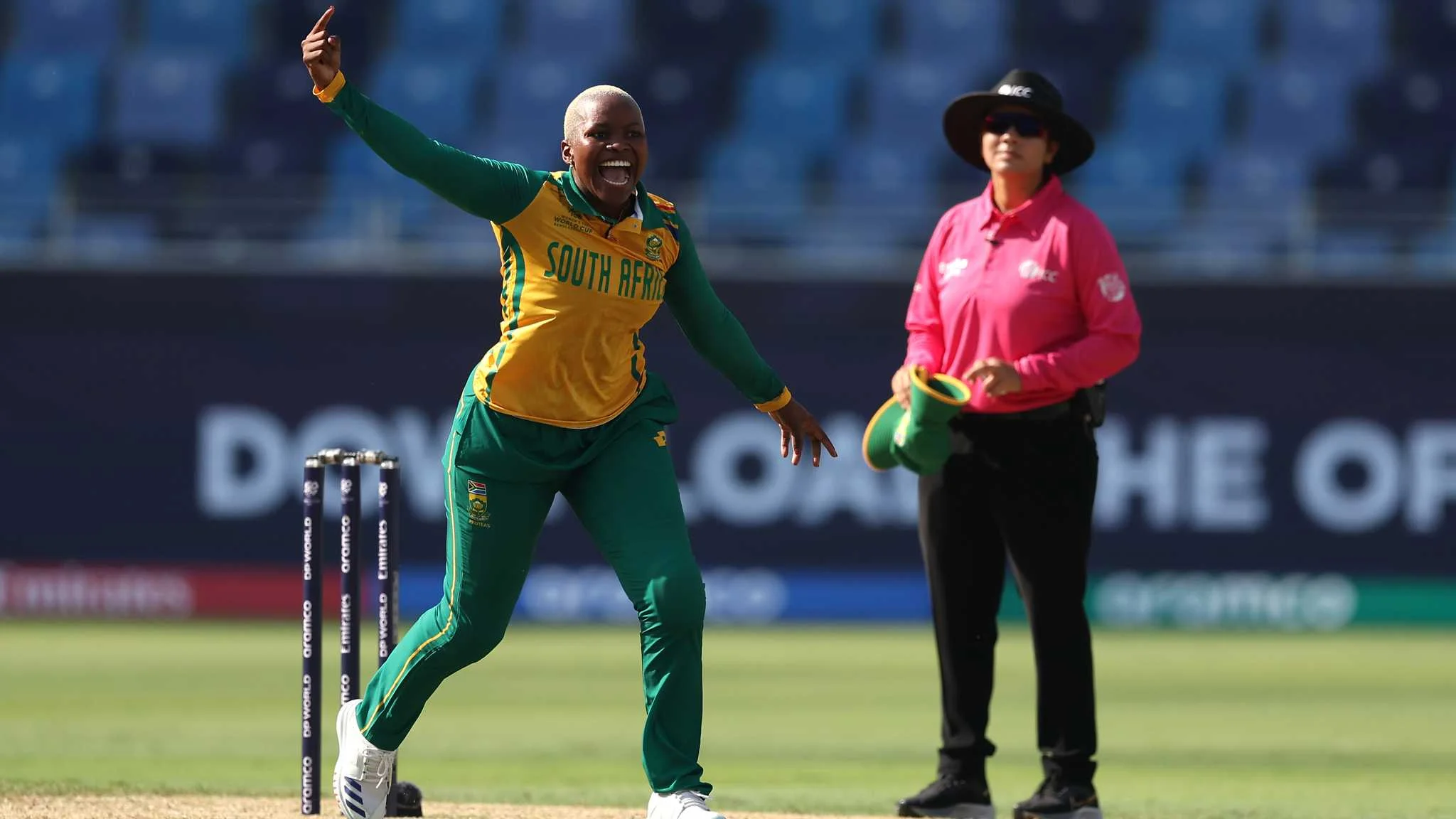
One Craft, Two Minds: How Mlaba And Maharaj Are Reshaping South Africa's Spin Future
Cricket News Update
Durban की क्रिकेट मिट्टी से निकले दो कलाकार... Nonkululeko Mlaba और Keshav Maharaj। दोनों ने कभी left-arm seam से शुरुआत की थी, लेकिन उनकी असली पहचान बनी finger spin से। बस यहीं तक दोनों की कहानी एक जैसी लगती है... उसके बाद, रास्ते अलग हो जाते हैं। Keshav Maharaj उम्र में Mlaba से दस साल से भी ज्यादा बड़े हैं। उन्होंने November 2016 में WACA पर Test bowler के रूप में international cricket की दुनिया में कदम रखा। उनके career की शुरुआती सात Test appearances, O.D.I. मौका मिलने से पहले आ चुकी थीं। दूसरी तरफ Nonkululeko Mlaba का रास्ता उल्टा था। उन्होंने अपना पहला Test खेलने से पहले आठ O.D.I. और अठारह International T Twenty caps हासिल कर लिए थे। उनका पहला Test June 2022 में Taunton में आया, और उनके career के दौरान South Africa Women ने कुल चार Tests खेले। लेकिन असली कहानी numbers में नहीं है... असली कहानी उस कला में है, जिससे दोनों एक ही ball को अलग-अलग भाषा में बोलना सिखाते हैं। Mlaba की bowling flight, drift, flutter और turn की कहानी है। Ball हवा में कुछ कहती है... pitch पर उतरकर कुछ और करती है... और batter अक्सर तब समझता है जब देर हो चुकी होती है। Maharaj का तरीका ज्यादा छुपा हुआ है। उनके पास pace की subtle variation है, angle का control है, और field placement में छिपा हुआ plan है। कभी-कभी उनकी delivery से पहले ही उनकी field बता देती है कि trap तैयार है। एक तरफ Mlaba का natural turn है... दूसरी तरफ Maharaj की strategic geometry। एक ही arm... लेकिन दो अलग art forms। फिर भी यही फर्क दोनों को एक-दूसरे के लिए इतना valuable बनाता है। Maharaj ज्यादा spin-friendly combinations के लिए campaign करते रहे हैं, और Mlaba में उन्हें एक मजबूत argument दिखाई देता है। South Africa Women के लिए यह सिर्फ bowling philosophy का सवाल नहीं है। October 2024 से November 2025 के बीच team तीन World Cup finals तक पहुंची, दोनों formats में... लेकिन trophy एक बार भी हाथ नहीं आई। Mlaba मानती हैं कि gap सिर्फ talent का नहीं, pressure exposure का भी है। उनके मुताबिक India, Australia और England जैसी teams और South Africa Women के बीच दूरी कम करने के लिए एक domestic women’s league बड़ा फर्क पैदा कर सकती है। World Cup final तक पहुंचना एक बात है... final के pressure में अपनी सबसे साफ cricket खेल पाना दूसरी। और शायद बार-बार high-pressure domestic matches खेलना, उस आखिरी दरवाजे की चाबी बन सकता है। Mlaba women’s cricket में आए बदलाव को अपनी आंखों से देख चुकी हैं। पहले home matches में crowd लाने के लिए CSA school children को tickets देती थी। अब लोग खुद tickets खरीदकर आते हैं। यह सिर्फ attendance का change नहीं है... यह perception का change है। Women’s cricket धीरे-धीरे side story से main stage की तरफ बढ़ रही है। और Mlaba की अपनी journey भी उसी बदलाव की तरह है। वह country के leading spinners में सबसे ज्यादा turn पैदा करती हैं, Maharaj से भी ज्यादा। सबसे हैरान करने वाली बात यह है कि उनके लिए यह struggle की तरह दिखता ही नहीं। जैसे ball को turn कराना कोई मुश्किल skill नहीं, बल्कि natural conversation हो। जब Mlaba और Maharaj मिलते हैं, तो formal classroom नहीं बनता। कोई whiteboard lecture नहीं... कोई grand mentorship speech नहीं। बातचीत होती है। Cricket पर... strategy पर... और कभी life पर। Mlaba कहती हैं, "We learn from each other." Maharaj भी मानते हैं कि यह one-way mentorship नहीं है। Mlaba ने उन्हें strategic thinking और अलग तरीकों से game देखने में मदद की है। यही relationship आगे बढ़कर South Africa Women की India के खिलाफ home International T Twenty series में एक interesting role तक पहुंचा, जहां Maharaj consultant बने। और वहां भी फायदा सिर्फ women’s team को नहीं हुआ। Maharaj ने साफ कहा कि women’s team की knowledge और value को underestimate किया जाता है, और उनके साथ समय बिताकर उन्होंने खुद भी काफी सीखा। यही इस कहानी का सबसे खूबसूरत मोड़ है। Experience हमेशा ऊपर से नीचे नहीं बहता। कभी senior player younger player से सीखता है। कभी men’s cricket women’s cricket से सीखती है। कभी वही skill, जो बाहर से एक जैसी दिखती है, अंदर से दो बिल्कुल अलग philosophies बन जाती है। Fast bowlers एक साथ बैठें तो शायद bouncers, speed और broken bats की बातें हों... लेकिन दो spinners बैठते हैं, तो angles, fields, drift, pace और deception की दुनिया खुलती है। Nonkululeko Mlaba और Keshav Maharaj इसी दुनिया के दो अलग नक्शे हैं... और दोनों जब अपनी lines एक-दूसरे से मिलाते हैं, South Africa cricket को एक नई दिशा दिखाई देती है। यह सिर्फ दो left-arm spinners की कहानी नहीं है। यह collaboration की कहानी है... pressure को समझने की कहानी है... women’s cricket के growth की कहानी है... और उस belief की कहानी है कि सीखने वाला कभी छोटा या बड़ा नहीं होता। बस curious होना चाहिए। इस cricket feature को सुनने के लिए धन्यवाद। आप सुन रहे थे Guru News Network, powered by द गुरु ज्ञान... जहां cricket की खबर सिर्फ score नहीं बताती, game के पीछे की सोच भी सुनाती है। Latest cricket stories, smart analysis और free live line के लिए द गुरु ज्ञान और The Guru Gyan Live Line के official platforms से जुड़े रहें... क्योंकि जब cricket इतनी layered हो, तो coverage भी उतनी ही thoughtful होनी चाहिए।
Two left arms. Two finger spinners. One city. And yet, almost everything about the way Nonkululeko Mlaba and Keshav Maharaj understand spin feels beautifully different. Both came through Durban. Both still represent the Dolphins when national duty does not call. Both once began as left-arm seamers before discovering that their lasting language in elite cricket would be spin. But similarity, in this story, is merely the opening scene. Maharaj is more than a decade older than Mlaba, and his international path began at the WACA in November 2016 as a Test bowler. He had already played seven Test matches before receiving his first opportunity in One Day International cricket. Mlaba travelled the opposite road. Before her first Test in Taunton in June 2022, she had already collected eight One Day International caps and eighteen International T Twenty appearances. That first Test became one of only four Tests South Africa Women played during her career. Their routes were different, and so is their craft. Mlaba bowls with flight, flutter, drift, and the kind of turn that asks a batter a question in the air and changes the wording after the ball lands. Maharaj works with quieter weapons. Pace shifts. Angle changes. Field placements that reveal the architecture of a plan before the delivery completes it. Mlaba often beats batters with movement they can see but cannot solve. Maharaj can make the trap feel invisible until the field closes around it. One craft, two minds. And that contrast is exactly why their collaboration matters. Maharaj has long argued for teams to trust spin more aggressively, and in Mlaba he sees compelling evidence for that philosophy. For South Africa Women, the conversation reaches beyond bowling combinations. Between October 2024 and November 2025, the team reached three World Cup finals across the two formats and came away without a trophy. Mlaba believes the difference between South Africa and teams such as India, Australia and England may be narrowed by giving players more regular exposure to pressure. Her argument is simple, but powerful: a domestic women’s league could create the kind of repeated high-stakes environment that teaches a team not merely how to reach finals, but how to own them. Pressure is not a switch that can be turned on for a World Cup final. It is a language learned through repetition. Mlaba has also watched women’s cricket change around her during almost seven years as an international player. There was a time when CSA distributed tickets to school children because audiences were not yet willing to pay to watch women’s matches. Now, people buy those tickets. They arrive by choice. That change says something profound about the direction of the game. Women’s cricket in South Africa is not simply asking to be noticed anymore. It is building its own audience. And Mlaba, with a smile brighter than the floodlights and a bowling style capable of turning the ball more than the country’s other leading spinners, has become one of the figures inside that transformation. Then there is the relationship with Maharaj. It is informal, ongoing, and useful in both directions. There is no grand ceremony around it. They meet, they talk, they exchange ideas. Sometimes the conversation is about cricket. Sometimes it is about life. Mlaba describes it in a sentence that captures the whole relationship: "We learn from each other." Maharaj agrees. He may have helped her, but she has helped him too, particularly with strategic thinking and with seeing the game through a different lens. This is not the old idea of mentorship, where wisdom travels in one direction from senior to junior. It is a partnership of perspectives. That relationship eventually led Maharaj to serve as a consultant during South Africa Women’s home International T Twenty series against India in April. Once again, the exchange worked both ways. Maharaj came away convinced that the value and knowledge inside the women’s team is underestimated, and that he had personally benefited from spending time around them. There is something important in that admission. Elite cricket often separates teams, formats, and pathways into tidy boxes. But knowledge does not care about those boxes. A field setting can travel from one dressing room to another. A thought about pace can cross generations. A younger spinner can sharpen the mind of an older one. A women’s team can teach a men’s international something he did not expect to learn. That is the heart of this story. Mlaba and Maharaj do not need to bowl the same way to understand each other. In fact, their differences are the point. Mlaba brings natural turn and expressive flight. Maharaj brings control, angles, and strategic detail. One sees possibility where the other sees structure. Together, they become sounding boards, testing ideas before those ideas reach the middle. Put two fast bowlers together and the conversation may drift toward bouncers, pace, and broken bats. Put two spinners together and the room changes. Suddenly there are fields, drift, pace, angles, release points, deception, and the small tactical decisions that can move an entire match. Nonkululeko Mlaba and Keshav Maharaj live inside that conversation. Their story is not about deciding which spinner is better. It is about recognising that the same skill can contain completely different forms of intelligence, and that collaboration can turn those differences into strength. For South Africa cricket, especially at a time when the women’s game is growing and chasing the final step from World Cup finalist to champion, that exchange may be more valuable than it first appears. Thank you for listening to this Guru News Network feature, powered by The Guru Gyan. For thoughtful cricket stories, sharp analysis, and a free live line experience built around the game rather than the noise around it, stay connected with The Guru Gyan and The Guru Gyan Live Line. The scoreboard tells you what happened. The best cricket stories help you understand why it mattered.
South Africa CricketSpin BowlingWomen's CricketGuru News Network
One craft, two minds: Mlaba and Maharaj reshape South Africa's spin conversation
Nonkululeko Mlaba aur Keshav Maharaj dono left-arm finger spinners hain, dono Durban se aate hain, aur dono Dolphins ke liye khelte hain. Lekin unki bowling philosophy, international journeys aur tactical instincts itne alag hain ki unka mutual learning relationship South Africa cricket ke liye ek rare and valuable case study ban gaya hai.
Nonkululeko Mlaba aur Keshav Maharaj ek hi left-arm finger-spin craft ko bilkul alag tactical language me express karte hain, aur isi contrast ne unki cricket conversations ko valuable banaya hai.
News Highlights
Nonkululeko Mlaba aur Keshav Maharaj dono ne career ke early phase me left-arm seam bowling ki, lekin top-level identity finger spin se banayi.
Dono Durban se hain aur national duty ke bahar Dolphins ke liye khelte hain, lekin unki bowling methods sharply different hain.
Mlaba flight, flutter aur pronounced turn par depend karti hain, while Maharaj pace, angle aur field-placement based tactical variation ko weapon banate hain.
Dono ek informal mutual-learning relationship maintain karte hain jahan ideas sirf senior se junior nahi, dono directions me flow karte hain.
Mlaba ka maanna hai ki South Africa Women ko regular high-pressure exposure dene ke liye domestic women's league important ho sakti hai.
Maharaj ne South Africa Women ki India ke against home International T Twenty series me consultant role nibhaya aur khud bhi team se learning gain karne ki baat kahi.
Main Story: Same arm, completely different spin language
Cricket me left-arm finger spin ko ek single template samajhna convenient hai, lekin Nonkululeko Mlaba aur Keshav Maharaj us assumption ko almost har level par challenge karte hain. Dono ka origin similar hai: Durban connection, Dolphins setup, aur career ke early stage me left-arm seam. Top level par pahunchkar, however, dono ne spin ko apni permanent identity bana liya.
Maharaj Mlaba se more than ten years older hain aur unka international arrival November 2016 me WACA par Test bowler ke roop me hua. ODI opportunity milne se pehle wo seven Tests khel chuke the. Mlaba ka progression almost reverse direction me aaya. Unhone apna first Test khelne se pehle eight ODI aur 18 International T Twenty caps earn kar liye the.
Mlaba ka first Test June 2022 me Taunton me aaya. Wo unke career ke four Tests me se pehla tha, aur source context ke mutabik wahi four Tests South Africa ne unke career period me khele. Format exposure ka ye contrast important hai because ye dono spinners ki development journeys ko alag cricket environments me shape karta hai.
Player Context: Similar roots, different routes
SpinnerNonkululeko Mlaba
SpinnerKeshav Maharaj
Shared CityDurban
Domestic TeamDolphins
Maharaj International EntryWACA, November 2016
Mlaba First TestTaunton, June 2022
Mlaba aur Maharaj ka contrast technique se lekar tactical intent tak spread hota hai, jo unki mutual exchange ko aur useful banata hai.
The Contrast: Mlaba's turn vs Maharaj's tactical geometry
Mlaba: flight, flutter and natural turn
Mlaba ka spin expressive hai. Unki strength flight aur flutter se batter ko shape se bahar kheenchne, phir turn se decision ko punish karne me dikhti hai. Source unhe country ke leading spinners me sabse zyada turn generate karne wali bowler ke roop me frame karta hai, Maharaj included.
Is quality ka interesting part sirf amount of turn nahi, ease hai. Ball ko sharply deviate karna high-skill craft hai, lekin Mlaba ke case me ye almost natural extension lagta hai. Batter ke liye problem simple nahi hoti: ball kitna turn karegi se pehle question ye hota hai ki flight ke against initial movement kitni jaldi commit karni hai.
Maharaj: pace, angle and fields as a coded message
Maharaj ka art zyada understated hai. Wo subtle pace variation, release angle aur field placement ke through intent build karte hain. Kabhi unke plan ko delivery se pehle field explain kar deti hai. Ye approach turn ke spectacle se kam, control aur sequencing ke intelligence par zyada depend karti hai.
Isi liye unke beech comparison ka right question "kaun better spinner hai" nahi, balki "same skill kitne different ways me match ko control kar sakti hai" hai. Mlaba movement se uncertainty create karti hain; Maharaj structure se pressure compress karte hain.
Mlaba aur Maharaj ka relationship traditional mentor-junior template me neatly fit nahi hota. Dono jab milte hain to informal conversations hoti hain. Cricket, strategy aur kabhi life. Important point ye hai ki information ek direction me travel nahi karti.
"We learn from each other."Nonkululeko Mlaba
Mlaba ke mutabik same basic craft ke bawajood dono kuch cheezein aisi karte hain jo doosra naturally nahi karta. Isi difference se useful information exchange hota hai. Maharaj bhi accept karte hain ki Mlaba ne unki strategic thinking aur game ko different lens se dekhne me value add ki hai.
Elite sport me experience ko aksar one-way authority samjha jata hai. Yahan reality zyada mature hai. Maharaj ka longer international career valuable hai, lekin Mlaba ka unique spin profile aur decision-making unke liye bhi learning source hai. Humans ne finally ye discover kar liya ki seniority aur curiosity ek doosre ki enemies nahi hain.
South Africa Women Angle: Finals tak pahunchna aur final jeetna alag skills hain
Mlaba ki thinking sirf apni bowling tak limited nahi hai. Wo South Africa Women ke competitive gap ko pressure exposure ke lens se dekhti hain. October 2024 se November 2025 ke beech team three World Cup finals tak pahunchi across both formats, lekin trophy claim nahi kar saki.
Unka argument hai ki India, Australia aur England jaise teams ke against gap ko close karne me ek domestic women's league help kar sakti hai. Logic straightforward hai: agar players regular basis par high-pressure franchise or league environments me decision-making practice karein, to World Cup final ka emotional load comparatively familiar feel ho sakta hai.
"If we can have our own league, we might close it."Nonkululeko Mlaba
Ye observation tactical se zyada developmental hai. Final tak reach karna already quality prove karta hai. Repeatedly final stage par execution lose karna pressure adaptation ka separate question khada karta hai. Mlaba is gap ko talent shortage nahi, pressure-repetition deficit ke roop me dekh rahi hain.
South Africa cricket ke liye Mlaba-Maharaj exchange ka broader value technique se aage, pressure learning aur tactical culture tak pahunchta hai.
Women's Cricket Growth: Free tickets se paying crowds tak
Mlaba almost seven years ki international journey me South Africa women's cricket ka audience shift directly dekh chuki hain. Earlier phase me CSA school children ko tickets distribute karta tha, kyunki public willingness to pay limited thi. Ab home matches ke liye supporters tickets kharid kar aate hain.
Ye change commercial metric se zyada legitimacy signal hai. Audience jab free invitation se paid attendance tak move karti hai, to sport ki perceived value bhi change hoti hai. Mlaba ke words me direction positive hai, aur domestic league ki demand isi growth curve ka natural next question lagti hai.
Football ke comparison me bhi Mlaba cricket ko better-promoted environment ke roop me dekhti hain. Source context me unhone women's football ki marketing limitations ka reference diya, while women's cricket ke visibility gains ko recognise kiya.
Consultant Role: Maharaj ne South Africa Women se kya seekha?
Mlaba-Maharaj relationship eventually South Africa Women ke home International T Twenty series against India in April tak formal utility me convert hua, jahan Maharaj consultant role me involved rahe. Lekin unka assessment ek-sided coaching narrative ko immediately break karta hai.
"The value and knowledge of the women's team is underestimated."Keshav Maharaj
Maharaj ne team ke saath time spend karne ke baad kaha ki unhe khud bhi significant benefit mila. Ye statement important hai because elite men's cricket aur women's cricket ke beech knowledge exchange ko hierarchy ke bajay collaboration ke frame me rakhta hai.
Same craft ke different expressions se tactical thinking expand hoti hai. Mlaba turn aur flight se problems solve karti hain. Maharaj angles aur field logic se. Jab dono systems ek doosre ko challenge karte hain, dono bowlers ke decision models richer ho sakte hain.
Key Tactical Takeaways
Shared OriginDurban and Dolphins
Maharaj PathTest first, ODI later
Mlaba PathODI and T Twenty before Test
Core RelationshipTwo-way learning
Spin selection philosophy
Maharaj teams ko more spin deploy karne ke liye encourage karte hain, aur Mlaba unke liye is philosophy ka strong practical case hain. Her turn gives captains attacking possibilities; Maharaj ka control different phases me pressure sustain karne ka route deta hai.
Pressure development philosophy
Mlaba ka domestic league argument directly high-pressure repetition par centered hai. South Africa Women already finals reach kar rahi hai. Next step, unke view me, pressure moments ko normalise karna hai.
Why this news matters
Ye story ek individual player profile se bigger hai. South Africa cricket ke do elite left-arm spinners apne differences ko competition ke roop me nahi, information source ke roop me use kar rahe hain. That is a high-performance culture signal.
South Africa Women ke perspective se Mlaba ka domestic league argument equally significant hai. World Cup finals tak consistent access already ceiling raise kar chuka hai; ab question championship execution ka hai. Regular high-pressure domestic competition us journey ka logical development lever ho sakta hai.
Maharaj ka women's team se learning acknowledge karna bhi cricket ecosystem ke liye meaningful hai. Knowledge gendered compartment me locked nahi hota. Jo idea match ko better bana sakta hai, wo useful hai, chahe wo kisi bhi dressing room se aaye.
GNN And The Guru Gyan Angle
Guru News Network (GNN), powered by The Guru Gyan, is feature ko spin bowling ke technical contrast se aage ek broader cricket-learning story ke roop me dekhta hai. Mlaba aur Maharaj ka relationship batata hai ki elite improvement ka best version often comparison se nahi, honest exchange se aata hai.
Latest cricket news, player features aur context-rich analysis ke liye readers Guru News Network follow kar sakte hain. Broader cricket intelligence ke liye The Guru Gyan official platform hai, while live match movement ke liye The Guru Gyan Live Line free live line experience provide karta hai.
Follow deeper cricket stories with Guru News Network
Player craft, tactical thinking, women's cricket growth aur South Africa cricket ke context-rich features ke liye GNN ko follow karein. The Guru Gyan ka focus scorecard ke beyond game ki real cricket intelligence ko useful, clean aur accessible form me present karna hai.
Content Authenticity: This original content is exclusively authored and published by The Guru Gyan. To maintain search engine integrity and avoid content duplication, this article originally appeared on our official portal at https://thegurugyan.com/cricket-news/.
Strict Anti-Gambling Policy: The Guru Gyan is a platform dedicated to cricket match intelligence and analytics. We strictly DO NOT support, promote, or encourage any form of betting, gambling, or illegal activities.
Beware of Impersonators: We prioritize our users' digital safety. The Guru Gyan does not operate any official Telegram channel or group. Please rely only on our verified domains for authentic information: https://thegurugyan.com and https://live.thegurugyan.com.
Contact Our Core Team: For genuine business inquiries, feedback, or support, reach out directly to Aakash Rai at +91 9826913203 or +91 9111191152.
More from The Guru Gyan
Read related cricket news, then jump to the live products that support this story with real-time score, series coverage and prediction transparency.