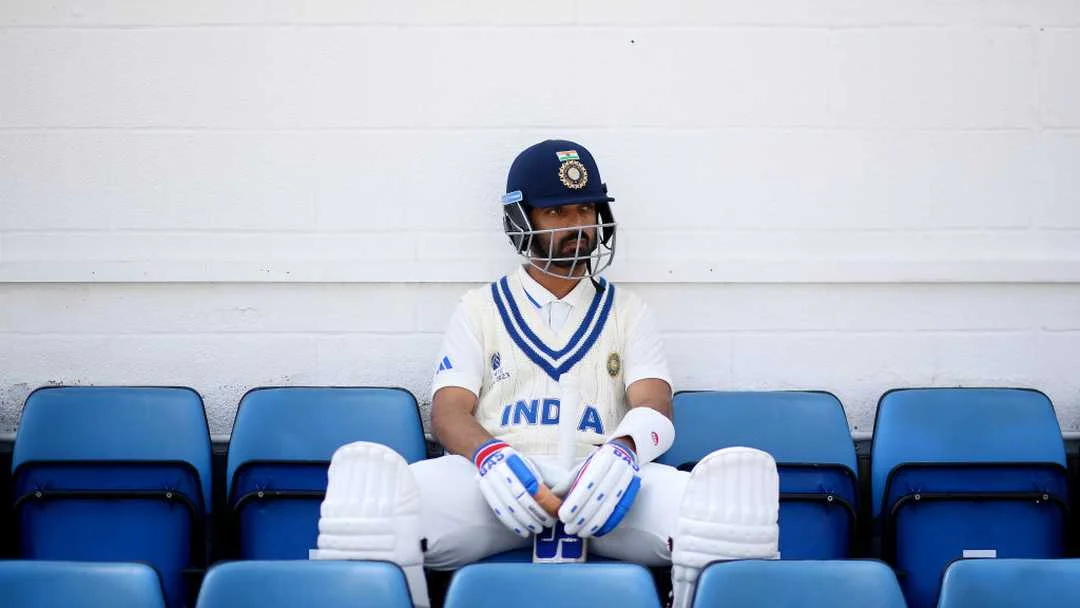
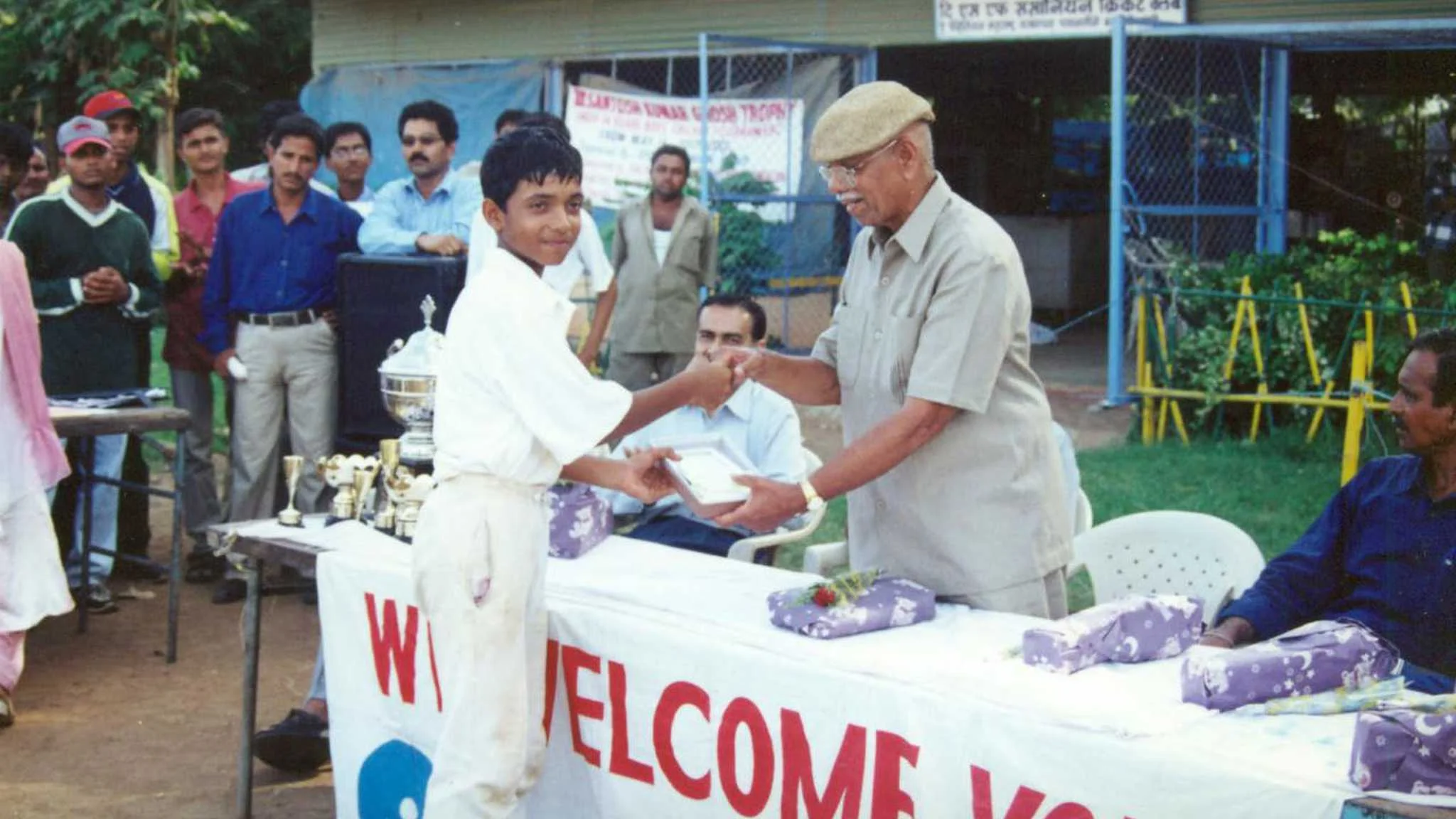
Two Tiffin Boxes, Packed Trains And One Unbreakable Will: The Ajinkya Rahane Story
Cricket News Update
Dombivli की सुबह अभी पूरी तरह जागी भी नहीं होती थी... और Ajinkya Rahane, जिन्हें cricket की दुनिया प्यार से Jinks कहती है, अपने सपने की तरफ निकल पड़ते थे। घर से Azad Maidan तक का सफर करीब पचास किलोमीटर... लगभग दो घंटे... और उसमें भी packed Mumbai suburban train की लंबी यात्रा। सुबह करीब सात बजे घर से निकलना, ताकि साढ़े नौ बजे का match समय पर खेल सकें। कंधे पर kit bag... हाथ में दो tiffin boxes। एक breakfast के लिए, दूसरा lunch के लिए। बाकी senior players पास की eatery ढूंढते थे... लेकिन Jinks मैदान पर बैठकर अपना खाना खाते, और फिर बिना शोर किए वापस practice में लग जाते। यह कहानी सिर्फ cricket की नहीं थी... यह discipline की वह धीमी आग थी, जो सालों बाद India के सबसे भरोसेमंद Test batters में से एक को गढ़ने वाली थी।
उनकी राह में mentor बनकर आए Nilesh Kulkarni। वही Dombivli... वही SV Joshi High School... और एक school coach का फोन, जिसने कहा कि एक बहुत प्रतिभाशाली young cricketer को देखने आना चाहिए। Nilesh Kulkarni nets पर पहुंचे... Ajinkya Rahane को bat करते देखा... और तुरंत समझ गए कि यह लड़का अलग है। Technique के पीछे sincerity थी। Talent के पीछे hard work था। और सबसे खास बात... सीखने की भूख कभी कम नहीं होती थी। Rahane स्वभाव से shy और introverted थे, लेकिन अपने लक्ष्य को लेकर बेहद firm। उनकी आवाज धीमी थी... इरादा नहीं।
समय बीता। Dombivli से Mulund तक घर बदले... लेकिन रिश्ता और cricket journey साथ चलती रही। Wankhede Stadium और BKC ground की यात्राओं में Nilesh Kulkarni ने Rahane की सोच को करीब से समझा। बाहर से शांत... भीतर से तीखा। Dhawal Kulkarni ने इसी स्वभाव को calm aggression कहा। Pressure चाहे कितना भी हो... Rahane का चेहरा स्थिर रहता था। लेकिन उस शांति के पीछे एक ऐसा competitor था, जो परिस्थिति को पढ़ता था, pain को सहता था, और team के लिए अपना role बदलने से नहीं डरता था।
बचपन का एक match इस character की पहली बड़ी झलक था। Azad Maidan पर leg injury के कारण Rahane top order में bat नहीं कर सकते थे। Team को runs चाहिए थे। दर्द काफी था। फिर भी उन्होंने खुद आगे बढ़कर number seven पर batting की... करीब पैंतीस runs बनाए... और team को जीत तक पहुंचाया। वह सिर्फ बारह या तेरह साल के थे। उम्र छोटी थी... लेकिन responsibility की समझ बहुत बड़ी।
उनकी कहानी perfection की नहीं, improvement की कहानी थी। Mumbai के लिए शुरुआती season में उनसे कई catches छूटे। कोई दूसरा player excuses ढूंढ सकता था... लेकिन Rahane जवाब ढूंढने Nilesh Kulkarni के पास गए। Karate background के कारण उनके hands catching के समय stiff हो जाते थे। सलाह मिली... softer hands इस्तेमाल करो। Rahane ने adjustment किया। Practice बदली। Technique बदली। और वही young player आगे चलकर India के सबसे सुरक्षित fielders में शामिल हुआ। पचासी Tests में एक सौ दो catches... और उनमें से सत्तर spin bowling पर। एक छोटी technical correction... और उससे निकला एक शानदार career record। यही Jinks की पहचान थी। गलती से भागना नहीं... उसे समझना, बदलना, और फिर अपनी ताकत बना लेना।
Batting उनकी सबसे बड़ी कला थी। एक सौ पचानवे international matches... आठ हजार से ज्यादा runs... पंद्रह centuries... और इक्यावन half-centuries। लेकिन numbers पूरी कहानी नहीं बताते। असली पहचान उन overseas innings से बनी, जहाँ conditions आसान नहीं थीं। England, Australia, New Zealand, Sri Lanka और West Indies में उनके hundreds ने दिखाया कि Rahane comfort zone के batsman नहीं थे। कठिन pitch, moving ball, hostile crowd... और फिर भी वही शांत चेहरा।
MSK Prasad के लिए उनकी सबसे खास innings Johannesburg के Wanderers में South Africa के खिलाफ साल दो हजार अठारह की gritty forty-eight थी। Pitch इतनी कठिन थी कि एक शाम play रोकना पड़ा। India series के पहले दो Tests हार चुका था। Rahane vice-captain होते हुए भी बाहर बैठे थे। तीसरे Test में वापसी हुई... और उन्होंने pressure के बीच निर्णायक role निभाया। Drop होने का दर्द था... लेकिन response complaint नहीं, contribution था।
Nilesh Kulkarni के लिए सबसे महान innings Melbourne Cricket Ground, यानी M C G, पर Boxing Day Test में उनकी एक सौ बारह runs की century थी। Adelaide की हार के बाद India बिखरी हुई लग रही थी। Team injury-hit थी। कई प्रमुख players unavailable थे। और captaincy Ajinkya Rahane के हाथ में थी। ऐसे समय में leader ने भाषण नहीं दिया... century बनाई। फिर early bowling change में Ravichandran Ashwin को ग्यारहवें over में लाया... और dangerous Steve Smith बिना run बनाए आउट हो गए। यह सिर्फ tactical call नहीं था... यह captain की reading थी।
दो हजार बीस और इक्कीस की Australia series में Rahane ने team को micromanage नहीं किया। उन्होंने Jasprit Bumrah, Ravindra Jadeja और Ravichandran Ashwin जैसे senior players को decision-making space दिया। Former India fielding coach R Sridhar ने उनके leadership style को एक खूबसूरत line में समझाया... Rahane पीछे नहीं हटते, वह एक तरफ होते हैं... ताकि दूसरे आगे बढ़ सकें। यही कारण है कि bowlers उन्हें bowler's captain कहते थे। वह spotlight अपने ऊपर रखने के बजाय team को ownership देते थे।
International cricket के साथ उनका Mumbai से रिश्ता कभी कमजोर नहीं पड़ा। चौदह हजार से ज्यादा first-class runs... Mumbai की captaincy... पच्चीस matches में leadership... और तीन Ranji Trophy winning squads का हिस्सा। पचासी Tests खेलने के बाद भी उन्होंने domestic grind को छोड़ा नहीं। दो हजार चौबीस और पच्चीस season में पूरा campaign खेला... Mumbai को Ranji Trophy title तक lead किया... तब भी, जब India comeback की संभावना बहुत कम थी। Praveen Amre ने इसी commitment को उनकी uniqueness कहा। क्योंकि Rahane के लिए cricket सिर्फ selection नहीं था... craft था। सिर्फ India jersey नहीं... Mumbai की जिम्मेदारी भी थी।
उनकी journey में glamour कम था... substance ज्यादा। Dombivli की crowded train से लेकर Melbourne की grand arena तक... दो tiffin boxes से लेकर Test captaincy तक... dropped catches से लेकर one hundred and two catches तक... bench पर बैठने से लेकर overseas victory तक। Ajinkya Rahane, Jinks, ने अपने career को noise से नहीं... grit, humility, discipline और calm aggression से बनाया। उनकी कहानी यही कहती है... हर महान journey stadium की रोशनी में शुरू नहीं होती। कुछ journeys सुबह सात बजे की local train में शुरू होती हैं... जहाँ कोई young boy अपने breakfast और lunch के साथ एक सपना भी लेकर चलता है।
आपने सुनी Guru News Network की यह cinematic cricket story... powered by द गुरु ज्ञान। यहां cricket news सिर्फ facts की सूची नहीं बनती... यहां हर innings के पीछे का character, हर captaincy call के पीछे की सोच, और हर comeback के पीछे की धड़कन सुनाई जाती है। Latest cricket stories, thoughtful analysis, fastest live line और trusted match intelligence के लिए द गुरु ज्ञान के साथ जुड़े रहिए... क्योंकि game खत्म हो सकता है, लेकिन एक महान cricket story की गूंज बहुत देर तक रहती है।
Before the applause, before the overseas centuries, before the captaincy at the Melbourne Cricket Ground... there was a boy from Dombivli carrying two tiffin boxes and a cricket dream through Mumbai's crowded suburban trains. Ajinkya Rahane, known across dressing rooms as Jinks, would leave home around seven in the morning. The journey to Azad Maidan stretched close to fifty kilometres and could take nearly two hours, including an exhausting eighty-minute train ride. He travelled early so that a nine-thirty match would never begin without him. One tiffin was for breakfast. The other was for lunch. While senior players searched for food outside the ground, Rahane ate quietly near the field and returned to the work that mattered.
That routine contained the blueprint of his career. Discipline without display. Ambition without noise. A stubborn refusal to allow distance, discomfort, or circumstance to become an excuse.
One of the first people to recognise that quality was former India left-arm spinner Nilesh Kulkarni. Both men came from Dombivli and studied at SV Joshi High School, though in different years. A school coach called Kulkarni and urged him to watch a young batter who seemed unusually promising. Kulkarni arrived at the nets, watched Rahane bat, and saw more than clean technique. He saw sincerity, concentration, hard work, and an almost restless desire to learn. Rahane was shy and introverted, but there was nothing uncertain about his purpose.
Years later, their lives crossed again in Mulund. Rahane settled close to Kulkarni's home, and the two often travelled together to the Wankhede Stadium or the BKC ground. Those journeys allowed Kulkarni to understand the personality behind the silence. Rahane rarely advertised what he wanted, but he was remarkably firm about reaching it. Dhawal Kulkarni later described the same quality as calm aggression. Pressure did not make Rahane louder. It made him more focused.
That character was visible even when he was twelve or thirteen. During a match at Azad Maidan, a leg injury prevented him from batting in his usual top-order position. His team still needed runs. Rahane volunteered to go in at number seven despite considerable pain. He made roughly thirty-five runs and helped his side win. It was not a famous innings. No television archive preserved it. Yet it revealed the same instinct that would define his international career: when the team needed something difficult, Rahane moved toward the responsibility.
His development as a fielder tells the same story in another form. During his first season for Mumbai, he dropped several catches. Instead of hiding from the flaw, he went to Nilesh Kulkarni and asked what was going wrong. Rahane had a karate background and was a black belt, which meant his hands could become stiff at the moment of impact. Kulkarni advised him to receive the ball with softer hands. Rahane listened, adjusted, practised, and transformed himself. The player who once struggled with catches became one of India's safest fielders, finishing with one hundred and two catches in eighty-five Tests. Seventy of those came off spin bowling. Improvement, for Rahane, was never an abstract idea. It was a daily act.
Batting remained his central art. Across one hundred and ninety-five international matches, he scored more than eight thousand runs, including fifteen centuries and fifty-one half-centuries. Yet the numbers do not fully explain why his career mattered. His finest work often came away from home, in England, Australia, New Zealand, Sri Lanka, and the West Indies, where technique was tested by movement, bounce, unfamiliar conditions, and sustained pressure.
For former India chief selector MSK Prasad, Rahane's forty-eight at the Wanderers in Johannesburg in two thousand eighteen was his finest innings. The surface was so difficult that play had to be stopped one evening. India had lost the first two Tests of the series. Rahane, despite being vice-captain, had been left out of both matches. He returned for the final Test and played a pivotal hand in victory. The significance was not only in the runs. It was in the response. He absorbed rejection without public bitterness and answered with an innings of consequence.
For Nilesh Kulkarni, the defining performance was the one hundred and twelve at the Melbourne Cricket Ground in the Boxing Day Test of two thousand twenty. India arrived wounded after the collapse in Adelaide. The squad was depleted, the pressure enormous, and Rahane was captain. He did not attempt to repair the team with theatre. He repaired it with a century. He then led with imagination and trust, introducing Ravichandran Ashwin as early as the eleventh over. Ashwin dismissed Steve Smith for a duck, and the tactical mood of the Test shifted.
Rahane's leadership was never built around control for its own sake. He empowered experienced players such as Jasprit Bumrah, Ravindra Jadeja, and Ravichandran Ashwin to make decisions in the field. Former India fielding coach R Sridhar captured that style perfectly: Rahane did not step back; he stepped aside so that others could step up. That is why bowlers remembered him as a bowler's captain. He gave them responsibility, listened to their reading of the game, and created room for them to influence the contest.
His commitment to Mumbai cricket completed the portrait. Rahane accumulated more than fourteen thousand first-class runs, captained Mumbai in twenty-five matches, and was part of three Ranji Trophy-winning squads. Even after eighty-five Tests for India, he returned to the domestic circuit and played through the two thousand twenty-four and twenty-five season. He led Mumbai to the Ranji Trophy title despite knowing that an international comeback was far from certain. Praveen Amre saw that choice as proof of rare commitment. Rahane did not treat domestic cricket as a waiting room for India selection. He treated it as part of his identity.
His career, then, was never simply a collection of scores. It was a long argument in favour of grit and humility. The crowded train from Dombivli. The two tiffin boxes. The painful innings at number seven. The dropped catches that became a catching record. The overseas centuries. The forty-eight at the Wanderers. The one hundred and twelve at Melbourne. The captain who trusted his bowlers. The senior professional who returned to carry Mumbai again.
Ajinkya Rahane, Jinks, built his legacy without demanding that the world admire him every day. He allowed the work to speak. And when the story is viewed in full, the silence around him no longer feels quiet. It feels powerful.
Thank you for listening to this Guru News Network presentation, powered by The Guru Gyan. Here, cricket is not reduced to scorecards and hurried headlines. We bring you the character behind the innings, the thinking behind the captaincy, and the human journey behind the result. For trusted cricket stories, sharp analysis, fastest live line updates, and intelligent match coverage, stay connected with The Guru Gyan... where the game is followed closely, and its finest stories are given the time they deserve.
From Dombivli local trains to MCG glory: Ajinkya Rahane's quietly defiant cricket journey
Ajinkya Rahane ka career sirf runs, centuries aur catches ki list nahi tha. Dombivli se Azad Maidan tak packed train journeys, do tiffin boxes, relentless self-improvement, overseas Test resilience aur empowering captaincy ne milkar ek aise cricketer ko shape kiya jiska impact noise se nahi, substance se measure hota hai.
Listen This Story
Hindi cinematic reader ya English premium reader choose karein. Browser-supported female voice ko priority di jayegi jab available ho.
Ajinkya Rahane ne India ko 195 international matches me represent kiya, lekin unki legacy numbers se kaafi zyada deeply discipline, resilience aur leadership se judi hai.
News Highlights
Ajinkya Rahane ka early match-day routine Dombivli se Azad Maidan tak nearly two-hour journey aur packed suburban train travel se bhara hota tha.
Young Rahane do tiffin boxes carry karte the, ek breakfast aur ek lunch ke liye, taaki unka focus cricket se kabhi shift na ho.
Nilesh Kulkarni, Dhawal Kulkarni, Raju Pathak, MSK Prasad, Praveen Amre aur R Sridhar ke recollections Rahane ki sincerity, calm aggression aur learning mindset ko underline karte hain.
Rahane ne 195 international matches me 8,000 se zyada runs, 15 centuries aur 51 half-centuries score kiye.
Unhone 85 Tests me 102 catches liye, jisme 70 catches spin bowling par aaye.
Wanderers 2018 ki gritty 48 aur MCG 2020 ki match-defining 112 unke career ke do most significant performances me count hoti hain.
Domestic cricket me 14,000 se zyada first-class runs aur Mumbai ke liye sustained commitment ne unki professional character ko aur strong banaya.
Main Story: Ek career jo local train se shuru hua
Dombivli se Azad Maidan ka distance map par around 50 km tha, lekin young Ajinkya Rahane ke liye ye journey sirf kilometres ki nahi thi. Match-day par ghar se ground tak pahunchne me nearly two hours lagte the, including an 80-minute ride in a packed suburban train. Woh around 7 a.m. ghar se nikalte, taaki 9.30 a.m. match ke liye time par ready rahen.
Rahane ke saath travel karne wale friends ko ek detail clearly yaad hai: woh do tiffin boxes carry karte the. Ek breakfast ke liye, ek lunch ke liye. Jab kuch senior players nearby eatery search karte, Rahane ground par hi khana khate aur apni routine maintain karte.
Ye visual unke career ko almost perfectly summarize karta hai. No drama, no shortcuts, no public performance of struggle. Bas preparation, travel, food, cricket aur repeat. Humans normally motivational quote print karke wall par chipka dete hain; Rahane ne us quote ko daily commute bana diya.
Early Mentorship: Nilesh Kulkarni ne talent ke saath temperament bhi dekha
Former India left-arm spinner Nilesh Kulkarni aur Ajinkya Rahane dono Dombivli se the, aur dono ne SV Joshi High School me study kiya, though different periods me. School coach ke ek call ne unki cricket connection ki beginning ki.
Kulkarni ko bataya gaya ki school me ek bright young cricketer hai jise dekhna chahiye. Dombivli me kaam hone ke karan woh nets tak gaye, Rahane ko bat karte dekha aur immediately impressed hue.
"From the very beginning, he stood out for his sincerity, hard work, focus and eagerness to learn."Nilesh Kulkarni on young Ajinkya Rahane
Later, Kulkarni Mulund shift hue. Years baad Rahane bhi same neighbourhood me aa gaye aur former spinner ke ghar ke close settle hue. Wankhede Stadium ya BKC ground practice ke liye travel karte waqt unka bond aur deeper hua.
Kulkarni ke according Rahane shy aur introverted the, lekin jo chahte the usko lekar firm the. Ye contrast, soft personality aur hard ambition, unke career ka central theme bana.
Mumbai cricket ke demanding system ne Rahane ko sirf technically sound batter nahi, balki pressure ko silently absorb karne wala professional banaya.
Calm Aggression: Silence ke peeche competitor
Dhawal Kulkarni, jo Rahane ke saath Mumbai Under-19, India Under-19 aur senior Mumbai team levels par khele, unhone Rahane ke temperament ko calm aggression ke roop me describe kiya.
Rahane pressure me outwardly calm dikhte the, lekin unki intensity disappear nahi hoti thi. Woh situation ko absorb karte, process par focus rakhte aur emotional noise ko decision-making se door rakhte.
Dhawal ne Rahane ko bowlers' captain bhi maana. Ye reputation later Australia me unki leadership ke waqt clearly visible hui, jab unhone experienced bowlers ko tactical ownership di.
Pain ke saath batting: Character ka early evidence
Mumbai cricket coach Raju Pathak ko Azad Maidan ka ek youth match yaad hai jahan Rahane leg injury ke karan apni usual top-order position par bat nahi kar sakte the. Team ko runs ki urgent need thi.
Considerable pain ke bawajood Rahane ne number seven par bat karne ka decision liya aur around 35 runs score karke team ko victory tak pahunchaya. Woh us time approximately 12 ya 13 years ke the.
Ye innings statistical archive me immortal nahi hui, lekin mindset ke level par priceless thi. Rahane ke liye discomfort kabhi automatic withdrawal signal nahi tha. Agar team ko role chahiye tha, woh role accept karte the.
Learning Mindset: Dropped catches se elite fielding tak
Rahane ke first Mumbai season me kuch catches drop hue. Problem ko hide karne ke bajay woh Nilesh Kulkarni ke paas gaye aur directly poocha ki technical issue kya hai.
Rahane karate background se aaye the aur black belt the. Kulkarni ne observe kiya ki catching ke waqt unke hands stiff ho jate hain. Suggestion simple tha: hard hands ki jagah softer hands use karo.
Rahane ne adjustment accept kiya, practice me implement kiya aur gradually apne fielding output ko transform kar diya. Result extraordinary raha: 85 Tests me 102 catches, including 70 catches off spin bowling.
Across formats, Rahane ne 195 international matches me India ko represent kiya aur 8,000 se zyada runs score kiye. Unke record me 15 centuries aur 51 half-centuries shamil hain.
Unki batting identity especially overseas Test cricket se build hui. England, Australia, New Zealand, Sri Lanka aur West Indies me centuries ne prove kiya ki woh unfamiliar conditions aur high-pressure environments me technical adjustment kar sakte the.
International Matches195
International Runs8,000+
Centuries15
Half-Centuries51
Wanderers 2018: Dropped hone ke baad decisive return
Former India chief selector MSK Prasad Rahane ki 2018 Wanderers Test innings ko unka finest effort maante hain. South Africa ke against Johannesburg surface extremely difficult tha, aur conditions ke karan ek evening play stop bhi hua.
Rahane ko series ke first two Tests se leave out kiya gaya tha despite being India's vice-captain. India dono Tests lose kar chuka tha. Third and final Test me Rahane returned aur gritty 48 score karke victory me pivotal role play kiya.
Is innings ki value sirf 48 runs nahi thi. Selection setback ko unhone public grievance me convert nahi kiya. Unka answer match situation me aaya, bat ke through.
Rahane ka overseas legacy pressure innings aur understated captaincy dono se define hua, especially Australia me historic series triumph ke dauran.
MCG 2020: Century se leadership establish hui
Nilesh Kulkarni ke liye Rahane ki finest innings 2020 Boxing Day Test at the MCG me aayi 112-run century thi. India Adelaide setback ke baad wounded tha, squad injuries se affected thi aur leadership responsibility Rahane ke shoulders par thi.
Rahane ne captaincy takeover ke baad pehle apni batting se standard set kiya. Unki century India ke greatest Test wins me se ek ka foundation bani.
Tactically bhi unhone sharp call liya. Ravichandran Ashwin ko 11th over me introduce kiya gaya, aur off-spinner ne dangerous Steve Smith ko duck par dismiss kar diya.
Ashwin aur Dhawal Kulkarni dono ne Rahane ko bowler's captain ke roop me describe kiya hai. Reason straightforward tha: woh bowlers ko listen karte, unhe ownership dete aur field par decisions me trust show karte.
Leadership Style: Control se zyada empowerment
Rahane ki captaincy micromanagement par based nahi thi. Woh senior players ko game read karne aur on-field decisions influence karne ki freedom dete the.
Historic 2020-21 Australia tour par unhone Jasprit Bumrah, Ravindra Jadeja aur Ravichandran Ashwin jaise experienced players ko decision-making space diya. Former India fielding coach R Sridhar ne is approach ko ek memorable line me capture kiya.
"He doesn't step back; he steps aside so that others can step up."R Sridhar on Ajinkya Rahane's leadership
Ye leadership philosophy dressing room trust create karti hai. Captain central authority rehta hai, but team ko passive followers me convert nahi karta. Rahane ki understated style ka real power yahi tha.
Mumbai Commitment: India career ke baad bhi domestic grind
Rahane ne domestic cricket me 14,000 se zyada first-class runs score kiye. Mumbai captain ke roop me unhone 25 matches lead kiye aur three Ranji Trophy-winning squads ka part rahe.
Unka Mumbai commitment international status ke saath fade nahi hua. 85 Tests ke baad bhi woh 2024-25 domestic season me regularly available rahe aur Mumbai ko Ranji Trophy title tak lead kiya.
Praveen Amre ke according ye commitment exceptional tha, especially because India comeback ki possibility limited dikh rahi thi. Rahane ne domestic cricket ko fallback assignment treat nahi kiya. Unke liye Mumbai cricket professional identity ka permanent part tha.
Amre ka view tha ki young batters ko Rahane ka longest-format innings construction study karna chahiye. Technique, patience aur situational awareness ka unka blend old-school Test batting ki finest traditions se connected tha.
Why this story matters
Modern cricket narratives often volume, virality aur instant reaction ke around build hoti hain. Rahane ka career us pattern ka opposite tha. Unki achievements ko samajhne ke liye sirf highlight reel enough nahi hai; routine, response aur relationships dekhne padte hain.
Dombivli commute discipline ko explain karta hai. Injured youth innings responsibility ko. Dropped catches ke baad technical correction adaptability ko. Wanderers resilience ko. MCG leadership ko. Mumbai return loyalty ko.
In pieces ko combine karne par ek clear picture banti hai: Ajinkya Rahane ka greatest strength ek single stroke, innings ya trophy nahi thi. Unki defining quality repeated self-correction thi, bina noise ke.
GNN And The Guru Gyan Angle
Guru News Network (GNN), powered by The Guru Gyan, Rahane ki journey ko Indian cricket ke most valuable character studies me se ek maanta hai. Is story me talent important hai, but talent se zyada discipline, humility, tactical intelligence aur team-first leadership stand out karte hain.
Latest cricket news, player profiles, career retrospectives aur context-rich analysis ke liye readers Guru News Network follow kar sakte hain. Detailed cricket intelligence ke liye The Guru Gyan official platform hai, while live match movement ke liye The Guru Gyan Live Line available hai.
The Guru Gyan ka focus clean cricket coverage, factual context aur responsible analysis par hai. Yahan story ko inflate karne ke bajay uske real cricket value ko explain kiya jata hai, jo internet ke liye suspiciously sensible behaviour hai.
Read deeper cricket stories with Guru News Network
Player journeys, leadership analysis, match context aur cricket history ko premium Roman Hinglish me follow karne ke liye Guru News Network aur The Guru Gyan ke official platforms visit karein.
Content Authenticity: This original content is exclusively authored and published by The Guru Gyan. To maintain search engine integrity and avoid content duplication, this article originally appeared on our official portal at https://thegurugyan.com/cricket-news/.
Strict Anti-Gambling Policy: The Guru Gyan is a platform dedicated to cricket match intelligence and analytics. We strictly DO NOT support, promote, or encourage any form of betting, gambling, or illegal activities.
Beware of Impersonators: We prioritize our users' digital safety. The Guru Gyan does not operate any official Telegram channel or group. Please rely only on our verified domains for authentic information: https://thegurugyan.com and https://live.thegurugyan.com.
Contact Our Core Team: For genuine business inquiries, feedback, or support, reach out directly to Aakash Rai at +91 9826913203 or +91 9111191152.
More from The Guru Gyan
Read related cricket news, then jump to the live products that support this story with real-time score, series coverage and prediction transparency.